Wansa Dryer Not Drying Clothes: 6 Causes and Solutions
Wansa dryers are among the household appliances that many families in Kuwait rely on to dry clothes quickly and efficiently, especially during humid weather conditions or when large amounts of laundry need to be dried regularly. However, some users encounter a common issue where clothes remain damp after the drying cycle ends, even though the dryer appears to be operating normally. This problem can be frustrating because it reduces the appliance’s efficiency and increases the time required to complete household tasks.
In reality, poor drying performance does not always indicate a major malfunction or the need to replace the dryer entirely. In many cases, the issue may be caused by simple factors such as clogged filters, restricted airflow, or heating system problems. In other situations, internal components may require professional inspection and repair. Understanding the common causes of poor drying performance can help identify the problem quickly and take corrective action before it becomes more serious. In this article, we explore the most common reasons why a Wansa dryer may fail to dry clothes properly and discuss practical solutions for each issue.
Wansa Dryer Not Drying Clothes in Kuwait
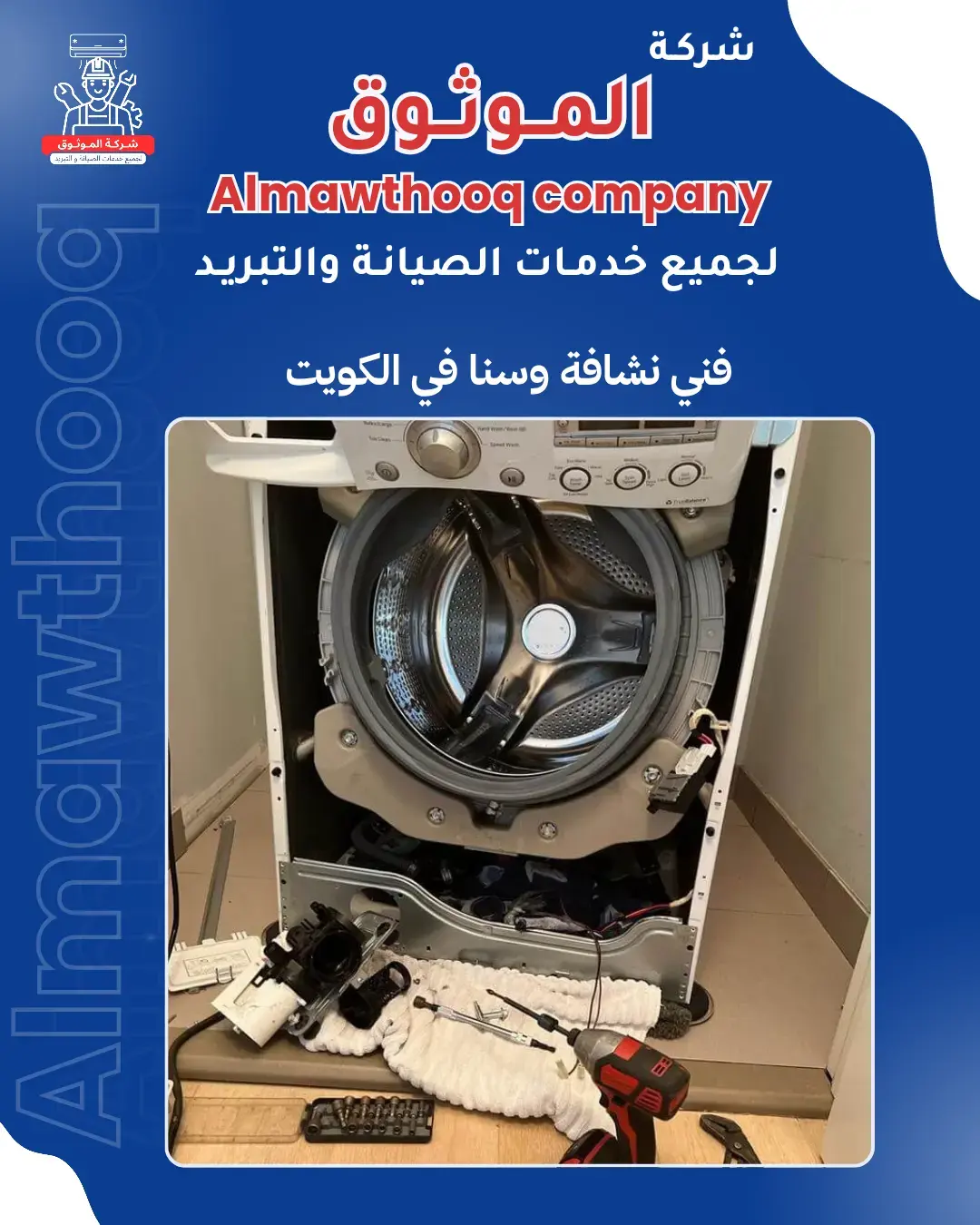
When a drying cycle ends and clothes remain damp, it usually indicates a problem preventing the dryer from performing effectively. The cause may be minor or more complex depending on the condition of the appliance and its maintenance history.
Common signs of a drying problem include:
• Clothes remain wet or damp after the cycle ends.
• The dryer must be run multiple times to achieve satisfactory results.
• Drying cycles take significantly longer than normal.
• The air coming from the dryer feels cooler than usual.
• Electricity consumption increases without improved performance.
• Damp odors remain on clothes after drying.
• Moisture accumulates inside the drum.
• Weak airflow during operation.
• Gradual decline in drying efficiency over time.
• Error messages appearing on certain modern models.
Recognizing these symptoms early can help prevent more serious problems from developing.
Cause 1: Clogged Wansa Dryer Filter
The lint filter is one of the components most frequently exposed to debris buildup. Over time, lint accumulation restricts airflow inside the dryer, significantly reducing drying performance.
Common signs of a clogged filter include:
• Noticeably longer drying times.
• Increased dryer temperature during operation.
• Lint remaining on clothes after drying.
• Reduced hot airflow.
• Higher energy consumption.
• Clothes remaining excessively damp.
• Longer operating cycles.
• Gradual reduction in drying efficiency.
• Increased strain on internal components.
• Maintenance warning indicators appearing on some models.
Cleaning the filter regularly, ideally after every drying cycle, helps maintain proper airflow and ensures optimal dryer performance.
Cause 2: Heating System Problems
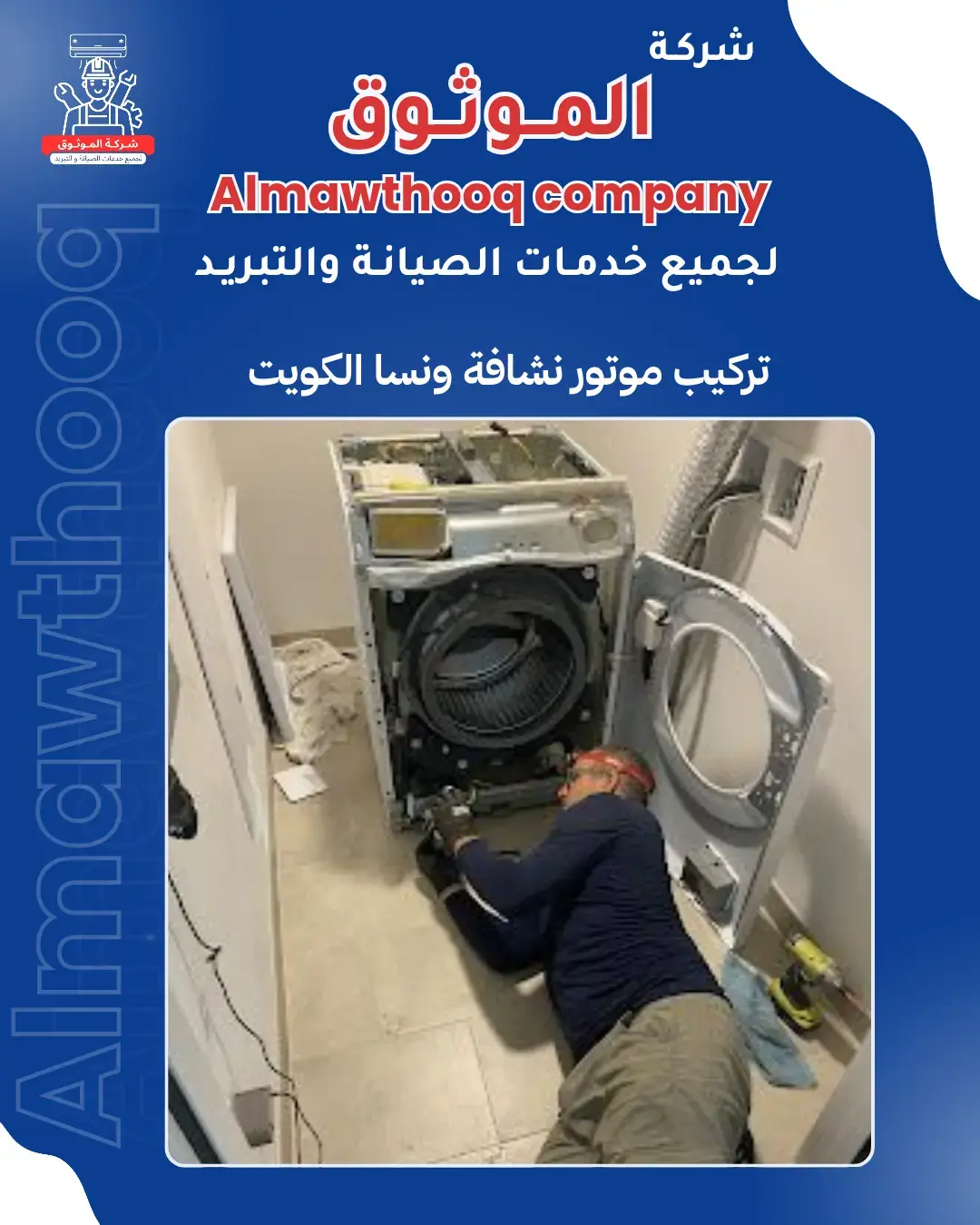
Drying clothes depends heavily on the heat generated by the internal heating element. If the heating system stops working or becomes less effective, the dryer will be unable to remove moisture efficiently regardless of how long it operates.
Common signs of heating system issues include:
• Clothes come out cold and damp.
• No noticeable hot air during operation.
• Extended drying times with poor results.
• Drum rotation without effective drying.
• Error codes related to heating functions.
• Sudden decline in dryer performance.
• Fans running without heat generation.
• Burned or damaged heating components.
• Faulty temperature sensors.
• Need for professional electrical testing.
In many situations, inspecting the heating element, sensors, and electrical connections is necessary to determine the exact cause and replace faulty components if needed.
Cause 3: Poor Ventilation and Airflow Problems
A dryer relies on continuously expelling moist air during operation. When ventilation ducts become blocked or airflow pathways become restricted by dust and debris, moisture remains trapped inside the appliance rather than being removed effectively.
Signs of ventilation problems include:
• Damp clothes despite adequate heat generation.
• Significantly longer drying cycles.
• Excess moisture inside the drum.
• Excessive external heat on the dryer cabinet.
• Weak airflow from the exhaust vent.
• Damp or musty odors on clothing.
• Increased electricity usage.
• Premature cycle termination.
• Additional stress on heating elements and fans.
• Progressive decline in drying performance.
Regular inspection and cleaning of ventilation ducts help maintain proper airflow and improve drying efficiency.
Cause 4: Wansa Dryer Drum Rotation Problems and Solutions
Even when adequate heat is available, a dryer cannot dry clothes efficiently if the drum is not rotating properly. Drum movement ensures that hot air reaches all garments evenly throughout the drying cycle.
Common drum rotation problems include:
• Worn or broken drive belts.
• Weak or damaged drive motors.
• Faulty drum bearings.
• Malfunctions in drive system components.
• Overloading the dryer beyond its recommended capacity.
• Foreign objects obstructing drum movement.
• Electrical issues affecting motor operation.
• Reduced motor efficiency over time.
• Grinding or unusual operating noises.
• Complete drum rotation failure.
When drum rotation problems are detected, prompt inspection is recommended to prevent additional damage to internal components.
Cause 5: Wansa Dryer Heating Element Failures in Kuwait
The heating element is one of the components most vulnerable to wear because it operates continuously at high temperatures. When the heating element fails, the dryer loses its ability to generate the heat necessary for effective drying.
Common symptoms of heating element failure include:
• Clothes remain damp after drying cycles.
• No heat production inside the drum.
• Significantly increased drying times.
• Poor drying performance despite normal operation.
• Heating-related error codes.
• Interrupted drying programs.
• Burned heating coils.
• Faulty sensors connected to the heating system.
• Reduced responsiveness during drying programs.
• General decline in appliance performance.
In such cases, a qualified technician should inspect the heating element and replace it with a genuine part compatible with the dryer model.
Cause 6: Need for Professional Wansa Dryer Maintenance in Kuwait
In some situations, poor drying performance is not caused by a single component but rather by multiple minor issues occurring simultaneously. Examples include dirty filters, restricted airflow, worn mechanical parts, and reduced heating efficiency. In these cases, comprehensive maintenance becomes necessary.
Professional Wansa dryer maintenance typically includes:
• Cleaning filters and airflow pathways.
• Inspecting the heating system.
• Testing electronic sensors.
• Checking motors and drive components.
• Inspecting electrical connections.
• Cleaning internal fans.
• Evaluating drying performance.
• Testing electronic control boards.
• Replacing damaged parts when necessary.
• Performing operational testing after repairs.
Routine maintenance helps identify developing problems early, improves drying efficiency, and reduces the risk of unexpected breakdowns.
Inspecting and Cleaning the Wansa Dryer Filter
The dryer filter is one of the most important components affecting drying efficiency, yet many users neglect regular cleaning. As lint and fibers accumulate, airflow becomes increasingly restricted, resulting in reduced performance and longer drying cycles.
Benefits of regular filter cleaning include:
• Improved airflow inside the dryer.
• Better drying performance and shorter cycles.
• Lower electricity consumption.
• Reduced strain on heating elements and fans.
• Less moisture buildup inside the appliance.
• Improved clothing care.
• Reduced risk of overheating.
• Extended appliance lifespan.
• More efficient operation across all drying programs.
• Reduced likelihood of ventilation-related failures.
Cleaning the filter regularly helps maintain optimal dryer performance and efficiency.
Why Clothes Remain Damp After Drying
One of the most frustrating issues for dryer users is finding clothes still damp after the cycle ends, especially when the appliance appears to be operating normally. In reality, several factors may contribute to this problem simultaneously.
Common causes include:
• Clogged filters or ventilation systems.
• Weak or malfunctioning heating systems.
• Reduced heating element efficiency.
• Overloading the dryer.
• Faulty sensors.
• Poor drum rotation.
• Blocked exhaust airflow.
• Excessive internal moisture.
• Electronic control board problems.
• Need for comprehensive maintenance.
Identifying the exact cause is essential before replacing components or performing major repairs.
Wansa Dryer Repair Technician in Kuwait
When simple solutions such as cleaning filters or reducing load size fail to resolve the issue, professional assistance becomes necessary. A qualified Wansa dryer repair technician can accurately diagnose faults and restore proper performance.
Technician services typically include:
• Diagnosing dryer problems.
• Repairing heating and drying issues.
• Replacing damaged heating elements.
• Repairing motors and drive systems.
• Resolving sensor malfunctions.
• Inspecting electronic control boards.
• Cleaning and servicing internal components.
• Replacing defective spare parts.
• Testing appliance performance after repair.
• Providing maintenance recommendations.
Professional repair services save time and help prevent unnecessary replacement of functioning components.
When Does a Wansa Dryer Need Maintenance?
Several warning signs indicate that a dryer requires maintenance even if it is still operating. Ignoring these symptoms can lead to more extensive damage and higher repair costs.
Signs that maintenance is needed include:
• Unusually long drying times.
• Clothes remaining damp after cycles.
• Loud noises or excessive vibration.
• Burning odors during operation.
• Drum rotation issues.
• Increased electricity consumption.
• Weak hot airflow.
• Error messages appearing on the display.
• Frequent need to restart drying programs.
• Noticeable decline in drying performance.
If one or more of these signs appear, a comprehensive inspection is recommended before major failures occur.
Frequently Asked Questions
Why Is My Wansa Dryer Not Drying Clothes Properly?
The issue may be caused by a clogged filter, restricted airflow, heating system problems, faulty sensors, or motor-related issues. Proper inspection is necessary to determine the exact cause.
Why Are Clothes Still Damp After the Drying Cycle?
This often results from poor heating performance, blocked ventilation, overloaded drying cycles, or faults in the heating element or electronic sensors.
How Do I Clean a Wansa Dryer Filter?
Remove the filter from its housing, clear away accumulated lint and fibers, clean it carefully, and reinstall it once it is completely dry. Regular cleaning is recommended for best performance.
When Should the Heating Element Be Replaced?
A heating element may require replacement if the dryer stops producing hot air, drying times become unusually long, or clothes consistently remain damp after drying cycles.
Do Drum Rotation Problems Affect Drying Performance?
Yes. Proper drum rotation is essential for distributing heat and airflow evenly. Problems involving belts, motors, or bearings can significantly reduce drying efficiency.
When Should I Contact a Wansa Dryer Repair Technician in Kuwait?
If problems persist after cleaning the filter and reducing load size, or if the dryer develops heating issues, unusual noises, or drum rotation problems, professional inspection is recommended.
Conclusion
Poor drying performance in a Wansa dryer is a common issue faced by many users in Kuwait, but it does not necessarily indicate a major failure or the need to replace the appliance. In many cases, the problem is caused by relatively simple issues such as clogged filters, restricted airflow, or accumulated dirt within critical components. Early diagnosis and prompt action can prevent many future breakdowns and unnecessary expenses.
Throughout this article, we examined six of the most common causes of poor drying performance, including filter blockages, ventilation issues, heating system failures, motor-related problems, and the need for routine maintenance. We also emphasized the importance of cleaning the dryer filter regularly and monitoring appliance performance for early warning signs of developing faults.
Preventive maintenance remains one of the most effective ways to maintain dryer efficiency and extend its lifespan. Using genuine spare parts and seeking professional Wansa dryer repair services when necessary ensures reliable operation and restores optimal performance quickly and safely.
Ultimately, regular care and attention help preserve drying quality, reduce electricity consumption, and keep the dryer operating efficiently for many years. The earlier problems are addressed, the greater the likelihood of a simple and cost-effective repair.