AC Runs but Room Stays Hot in Kuwait Summer: 10 Causes
Air Conditioner Running but Room Not Cooling in Kuwait Summer: 10 Common Causes
During the summer in Kuwait, you may notice that your air conditioner is running normally, the indoor fan is operating, and the unit sounds completely normal, yet the room temperature does not drop as expected. This is one of the most common AC problems faced by homeowners, apartment residents, and villa owners, especially when outdoor temperatures become extremely high and air conditioners operate continuously for long hours. In many cases, the issue is not a major mechanical failure but rather a simple problem that can be identified early before it turns into an expensive repair or causes damage to essential components.
Running an air conditioner that is not cooling also increases electricity consumption because the unit continues operating for longer periods without reaching the desired temperature. Understanding the real causes of poor cooling helps you make the right decision, whether it is cleaning the unit, scheduling maintenance, or repairing a faulty component before the problem becomes worse.
If you're wondering why your air conditioner is running but the room is not cooling during the Kuwaiti summer, here are the ten most common causes HVAC technicians encounter and the correct way to deal with each one.
Cause 1: Dirty Air Filters
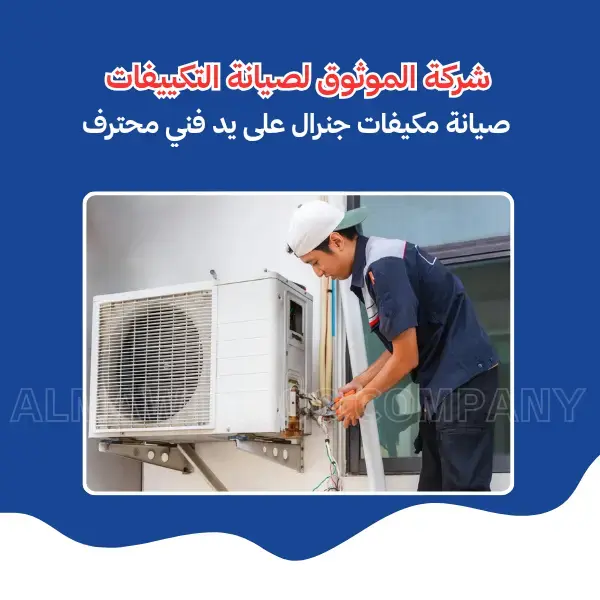
Dirty air filters are among the most common reasons for poor cooling performance. When dust and debris accumulate on the filters, airflow across the evaporator coil is restricted, reducing the cooling efficiency even if the compressor is working properly.
In Kuwait's dusty climate, filters can become clogged in a short period, especially if the air conditioner runs for many hours every day. This reduces airflow inside the room, places additional strain on the system, and increases electricity consumption.
Common signs of dirty filters include:
-
Weak airflow from the vents.
-
Longer cooling time.
-
Increased electricity usage.
-
Dust around the air outlets.
-
Unpleasant odor during operation.
-
Frozen evaporator coil in some cases.
-
Continuous operation without reaching the desired temperature.
-
Poor air circulation.
-
Gradual decline in cooling performance.
-
Constantly lowering the thermostat to feel cooler.
Cleaning the filters regularly is one of the easiest maintenance tasks and helps restore cooling efficiency while improving indoor air quality.
Cause 2: Low Refrigerant (Freon)
An air conditioner requires the correct amount of refrigerant to absorb heat from inside the room and release it outdoors. If refrigerant levels drop because of a leak, cooling performance gradually decreases even though the unit continues to operate normally.
Many people believe simply adding more refrigerant solves the issue, but refrigerant does not disappear on its own. A low refrigerant level almost always indicates a leak that must be repaired before recharging the system.
Common signs of low refrigerant include:
-
Weak cooling performance.
-
Air from the indoor unit is no longer cold.
-
The AC runs continuously without reaching the set temperature.
-
Frozen refrigerant pipes or evaporator coil.
-
Higher electricity bills.
-
Longer compressor operating time.
-
Reduced daytime cooling performance.
-
Unstable indoor temperature.
-
Bubbling or unusual noises in certain systems.
-
The need for a professional inspection of the refrigeration circuit.
Instead of simply refilling refrigerant, the leak should be identified and repaired to restore the system's normal performance.
Cause 3: Dirty Outdoor Condenser Unit
The outdoor unit is responsible for releasing heat into the outside air. When the condenser fins become covered with dust, sand, and dirt, heat transfer becomes less efficient, reducing the air conditioner's cooling capacity even though it continues running.
This problem is especially common in Kuwait, where sand and dust frequently accumulate on outdoor units installed in exposed locations or left uncleaned for extended periods.
Common symptoms include:
-
Weak cooling during the hottest part of the day.
-
Excessively hot outdoor unit.
-
Compressor running continuously.
-
Increased electricity consumption.
-
Reduced cooling despite all other components working properly.
-
Dust buildup on condenser fins.
-
Slower room cooling.
-
Higher refrigerant system pressure.
-
Outdoor fan running constantly.
-
The need for professional condenser cleaning.
Proper cleaning of the outdoor unit significantly improves heat exchange efficiency and restores much of the AC's cooling performance.
Cause 4: Weak Compressor Performance
The compressor is the heart of any air conditioning system because it compresses and circulates the refrigerant throughout the cooling cycle. When its performance begins to decline, the AC may appear to operate normally while producing air that is not cold enough to cool the room effectively, especially during Kuwait's extremely hot summer afternoons.
A weak compressor does not necessarily mean it has completely failed. The issue may result from aging, overheating, low voltage, or electrical component failures such as a faulty capacitor or contactor. For this reason, the compressor should never be replaced before a complete diagnosis is performed.
Signs of a weak compressor include:
-
Poor cooling despite normal operation.
-
Slow room cooling.
-
High electricity consumption.
-
Long operating hours.
-
Excessively hot outdoor unit.
-
Compressor repeatedly stopping and restarting.
-
Low refrigerant pressure readings.
-
Unusual operating noises.
-
Significant performance drop during peak afternoon temperatures.
-
The need for pressure and electrical current testing by a qualified technician.
Early diagnosis helps determine whether the problem requires repairing electrical components, servicing the compressor, or replacing it if necessary.
Cause 5: Dirty Evaporator Coil
The evaporator coil cools the air before it is distributed throughout the room. When dust, grease, or dirt builds up on the evaporator fins, heat transfer becomes less efficient, causing warmer air to come out even though the refrigeration cycle is functioning properly.
This issue is common in homes where regular maintenance is neglected, particularly in kitchens or areas exposed to grease and cooking vapors. A dirty evaporator may eventually freeze because restricted airflow reduces its operating efficiency.
Common signs include:
-
Weak cold airflow.
-
Reduced airflow from the indoor unit.
-
Longer operating cycles.
-
Unpleasant odors.
-
Dirt accumulation inside the indoor unit.
-
Ice forming on the evaporator.
-
Poor room cooling.
-
Increased electricity usage.
-
Higher indoor humidity.
-
The need for professional evaporator cleaning.
Cleaning the evaporator correctly restores efficient heat transfer, improves cooling performance, and extends the lifespan of the system.
Cause 6: Cold Air Escaping from the Room
Sometimes the air conditioner is working perfectly, but the room never cools because cold air escapes while hot outdoor air continuously enters through doors, windows, or poorly sealed openings. This problem becomes much more noticeable during Kuwait's extremely hot summers.
Large glass windows exposed to direct sunlight, doors that open frequently, and poor insulation all increase the cooling load, preventing the AC from reaching the desired temperature.
Common causes include:
-
Poorly sealed windows.
-
Gaps beneath doors.
-
Direct sunlight entering the room.
-
Inadequate insulation.
-
Running the AC with doors open.
-
Unsealed ventilation openings.
-
Too many people occupying the room.
-
Heat-producing electrical appliances.
-
An oversized room compared to the AC capacity.
-
Inadequate curtains or sun protection.
Improving insulation and reducing heat sources are just as important as servicing the air conditioner itself.
Cause 7: Incorrect Air Conditioner Settings
Sometimes the issue is not a mechanical fault but incorrect operating settings. The unit may be set to Fan Mode instead of Cool Mode, the temperature may be set too high, or Energy Saving Mode may be limiting cooling performance.
Modern air conditioners include multiple operating modes such as Economy, Sleep, and Auto Mode, each controlling the compressor and fan differently. Choosing the wrong mode during Kuwait's summer can significantly reduce cooling performance.
Check the following:
-
Ensure Cool Mode is selected.
-
Set the temperature between 22°C and 24°C.
-
Disable Fan Mode if active.
-
Turn off Economy Mode when maximum cooling is needed.
-
Increase the fan speed during startup.
-
Verify the remote control is functioning correctly.
-
Replace weak remote batteries.
-
Restart the unit after changing settings.
-
Check timer settings.
-
Refer to the user manual if necessary.
Correct settings often restore cooling without requiring any repairs.
Cause 8: Blocked Air Ducts or Vents
Even if the air conditioner produces cold air, it must circulate freely throughout the room. Large furniture blocking the indoor unit, dirty supply vents, or closed vents in central air conditioning systems can all reduce airflow.
In ducted systems, blocked or leaking ducts may cause cooled air to escape before reaching the room, reducing overall efficiency.
Common signs include:
-
Weak airflow from vents.
-
Uneven room temperatures.
-
Hot and cold spots.
-
Airflow noise inside ducts.
-
Obstacles in front of the indoor unit.
-
Dust buildup around air vents.
-
Reduced airflow in some rooms.
-
Longer cooling times.
-
Higher electricity consumption.
-
The need for duct cleaning or inspection.
Cleaning vents, removing obstructions, and inspecting ductwork can significantly improve cooling performance.
Cause 9: The AC Capacity Is Too Small for the Room
Some people choose an air conditioner based only on price without considering room size or heat load. As a result, the unit runs continuously without being able to cool the space adequately.
The problem becomes worse in rooms with high ceilings, large glass windows, or direct sunlight, where cooling demands are much greater.
Signs include:
-
Continuous operation.
-
Failure to reach the desired temperature.
-
High electricity consumption.
-
Cooling only near the indoor unit.
-
Weak performance during the afternoon.
-
Increased cooling load with more occupants.
-
Slow room cooling.
-
No improvement after cleaning the unit.
-
All components appear to operate normally.
-
The need to reassess the required cooling capacity.
Always choose an air conditioner based on room size, insulation quality, window area, and building orientation rather than floor area alone.
Cause 10: Lack of Regular Maintenance
Routine maintenance is essential for maintaining air conditioner performance in Kuwait's harsh climate. Continuous operation, high temperatures, and dust accumulation gradually reduce efficiency long before obvious faults appear.
Professional maintenance typically includes cleaning the filters, evaporator, and condenser, checking refrigerant pressure, testing compressor performance, inspecting fans, and verifying electrical connections. These inspections help detect problems early before they become major repairs.
Benefits of regular maintenance include:
-
Stronger cooling performance.
-
Lower electricity consumption.
-
Longer equipment lifespan.
-
Early fault detection.
-
Reduced risk of summer breakdowns.
-
Better indoor air quality.
-
Improved refrigerant efficiency.
-
Lower future repair costs.
-
Higher overall system performance.
-
Reliable operation throughout the cooling season.
Following a regular maintenance schedule before and during the summer helps prevent most cooling problems.
Frequently Asked Questions
Why is my air conditioner running but not cooling the room?
The problem may be caused by dirty filters, low refrigerant, a weak compressor, a dirty outdoor condenser, or an air conditioner that is undersized for the room.
Is low refrigerant always the cause?
No. Many other issues can reduce cooling performance, so a complete system inspection should be performed before adding refrigerant.
Does cleaning the filters improve cooling?
Yes. Regular filter cleaning improves airflow and restores a significant portion of the air conditioner's cooling efficiency.
How often should an air conditioner be serviced in Kuwait?
A full maintenance service is recommended before summer begins, while filters should be cleaned regularly throughout the cooling season because of Kuwait's dusty environment.
Can running the AC continuously reduce cooling performance?
Continuous operation itself is not the problem. However, if maintenance is neglected or a minor fault exists, cooling efficiency may gradually decline over time.
When should I call an HVAC technician?
If the air conditioner still does not cool properly after cleaning the filters and verifying the settings, a qualified HVAC technician should inspect the entire system.
Conclusion
If your air conditioner is running but the room is not cooling during Kuwait's summer, avoid replacing the unit or recharging the refrigerant before identifying the actual cause. In many cases, the issue is as simple as dirty filters, a clogged outdoor condenser, restricted airflow, or incorrect operating settings—all of which can be resolved quickly when detected early. If the problem involves the compressor, refrigeration circuit, or insufficient cooling capacity, a professional diagnosis is the best way to identify the correct solution and avoid unnecessary repairs. Regular maintenance, routine cleaning, and seasonal inspections will ensure stronger cooling performance, lower electricity consumption, and greater indoor comfort even during Kuwait's hottest days.