Bosch Washer Repair: Fault Diagnosis and Home Service
A Bosch washing machine may stop, become delayed, or leave clothes wetter than expected, but the same visible symptom does not necessarily come from the same cause every time. Sometimes the problem begins with the door, sometimes with drainage, and sometimes with a stage in the program that was never completed properly. That is why Bosch washing machine repair in Kuwait should depend on organized diagnosis that understands the sequence of the cycle before naming a component or estimating a repair cost. In this article, we explain Bosch washer faults from a practical home-use perspective, how to distinguish a simple operating issue from a problem that genuinely needs a technician, what information helps diagnosis, and when repair makes sense instead of replacing parts by trial and error or repeatedly restarting the washer without solving anything.
Bosch Washing Machine Repair in Kuwait
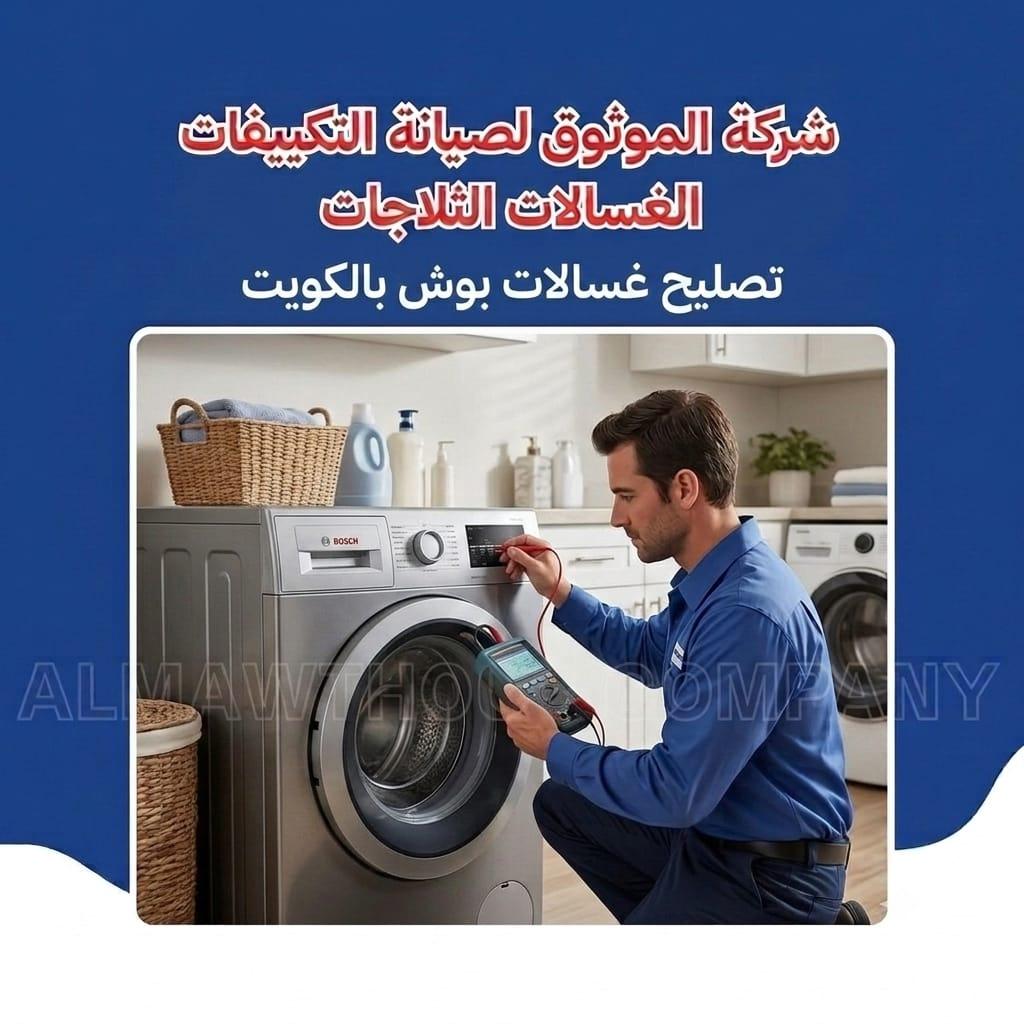
Bosch washing machine repair in Kuwait becomes more accurate when the technician begins by asking one important question: What was the first function that stopped behaving normally? A Bosch automatic washing machine works through connected stages, and a fault in one stage can prevent the next stage from happening even when the later component itself is completely healthy. If the door is not recognized as correctly locked, the program may never begin. If water is not fully drained, the washer may refuse to spin or may leave clothes wet. If the machine stops in the middle of a cycle, it is necessary to know whether that happened before drainage or after it instead of treating every mid-cycle stop as one general fault.
Before the technician arrives, it is very useful to observe the washer rather than repeatedly restarting it. Do you hear the door lock engage? Does water enter? Does the drum move? Does an error code appear? Does the program remain stuck at a certain time or continue again after a pause? Does the problem happen with every cycle or only with one specific program? These details bring the diagnosis much closer to the real cause and reduce unnecessary trial-and-error testing. If the fault started after moving the washer, cleaning a filter, or changing a hose, that information should also be mentioned because it may be directly related to the problem.
From a cost perspective, the repair price should ideally come after diagnosis rather than before it. There is a major difference between a simple blockage in the drainage path, a weak pump, a door-lock issue, and a problem involving drum movement or control. A trustworthy technician explains what was tested and what the result showed before recommending a replacement part. After the repair, it is also not enough to watch the washer run for one minute. The exact stage that previously failed should be tested because the real proof of success is that the cycle returns to normal operation.
-
Identify the first stage that changed during the program because a washer that fails during spinning may actually have a drainage problem that began one stage earlier rather than a direct spin-system fault
-
Keep any error code unusual sound or change in cycle duration because several connected signs can narrow the diagnosis much more effectively than a general complaint
-
Do not approve part replacement simply because the symptom is common in Bosch washers because similar final symptoms do not prove that every machine has the same underlying cause
-
Ask for the stage that previously failed to be tested after repair because simply starting the washer does not prove that the original fault has disappeared
Bosch Washing Machine Repair Technician
Choosing a Bosch washing machine repair technician should be based more on diagnostic method than on the fastest arrival time or the lowest price alone. A good technician does not begin with a screwdriver. They begin with clear questions about washer behavior. Does the machine fail to start? Does the door remain locked after the cycle? Does water stay inside the drum? Can you hear the drain pump or an attempted rotation? Does the washer complete washing but leave the clothes wet? These questions save a significant amount of time because they connect the symptom to the operating stage where the relevant function should be working instead of opening the entire appliance without direction.
A specialist understands that some symptoms look similar but have completely different meanings depending on when they appear. A door that stays locked because the washer still contains water is different from a washer that completed the entire cycle but failed to release the lock. A machine that does not start because a door condition is not satisfied is different from one that has an electrical or control issue. This is where the technician’s experience becomes useful: not in naming a part quickly, but in arranging the possibilities logically and ruling out the simpler causes before moving to deeper ones.
During a home visit, it is better to leave the washer in its normal condition whenever there is no immediate safety concern. Do not change the hose position, dismantle the door, or force the lock open because these actions may change the symptom or create additional damage. If there is water inside the washer, a burning smell, or a strong mechanical sound, stop using the machine and leave inspection to the technician. After diagnosis, you have the right to know the visit fee and repair cost before the work is carried out, especially when a major component is being considered. A trustworthy technician explains what was tested and why the repair is necessary rather than asking you to approve a part without understanding the reason.
-
Choose a technician who asks exactly when the fault appears during the cycle because even a small difference in timing between one stage and the next can change the entire diagnostic direction
-
Do not force the door open or change the washer connections before the visit because preserving the fault condition helps the technician see the original problem without creating another one
-
Ask how the simpler causes were ruled out before a major component was blamed because good diagnosis should follow a logical sequence rather than jump from symptom directly to part name
-
Agree on the inspection fee and the way repair cost will be calculated before work begins because clear pricing is part of service quality just like accurate diagnosis
Bosch Washing Machine Repair at Home
The main advantage of Bosch washing machine repair at home is that the technician can inspect the appliance under the same conditions in which it operates every day, and this matters because some problems are connected to installation rather than an internal component. A drain hose compressed behind the washer can cause water to remain inside the drum. An uneven floor can make vibration much worse during spinning. A water tap that is only partially open can extend the filling stage. If the washer is moved before inspection, some of these signs may disappear and the technician may begin searching inside the appliance for a fault that is not actually there.
A good home service visit begins with the outside before the inside. The technician checks hose position, washer level, and visible connections, then runs the appropriate program and observes the stage where the problem appears. If the complaint is that the door will not open after washing, the technician should determine whether the water fully drained, whether the cycle genuinely ended, and whether the lock responded. If the complaint is drainage, the water path and pump behavior should be observed before the pump is blamed. This makes the repair connected to what is actually seen and tested rather than to a prepared list of parts.
From a convenience and cost perspective, home diagnosis avoids moving a large appliance and makes it possible to test the repair in the same installation after the work is finished. However, this does not mean every fault must be repaired immediately during the same visit regardless of the cause. If a replacement component or additional labor is required, the reason and price should be explained before proceeding. After the repair, a test cycle or the relevant stage should be run to confirm that the original symptom is gone. A successful home service should leave you knowing what caused the problem, what was repaired, and what sign to watch for afterward.
-
Keep the washer in its normal installation position before inspection when it is safe to do so because hose placement floor level and connections may be part of the cause
-
Ask the technician to operate the washer and observe the actual symptom before dismantling because seeing the problem happen often provides stronger information than hearing a description after it disappears
-
If an additional part is needed ask for the reason and price before approval because the technician being in your home does not mean every new repair should automatically be accepted
-
After the work test the same function that originally caused the complaint because the best proof of successful repair is normal operation under the same real-use conditions
Bosch Washing Machine Does Not Start
When a Bosch washing machine does not start, the first thing to determine is whether the appliance shows no response at all or whether the display turns on but the program refuses to begin. These are two very different situations. A washer with no lights or display should first have its safe external power source checked, including the outlet, plug, and household circuit breaker if it has obviously tripped. A washer with an active display but no cycle start needs a different direction that includes the selected program, door closure, and other operating conditions.
If the display works but the machine does not begin, pay attention to whether you hear the door attempting to lock, whether a message appears, or whether the time simply flashes without progressing. These signs help the technician understand whether the washer received the command but is waiting for another condition. If the problem started after a power outage or after the door behaved unusually, mention that because the timing can help diagnosis. Repeatedly pressing Start or disconnecting and reconnecting the appliance many times is not useful if a burning smell or abnormal sound is present.
A good diagnosis rules out safe external causes first, then checks the conditions required for startup, and only then moves to internal components according to the model. If the door-lock system or a control part is suspected, the technician should verify that with testing rather than simply replacing it. After repair, the washer should be started more than once with an appropriate program to confirm that the fault is not intermittent and that the appliance responds correctly from the beginning.
-
Distinguish between a washer with no response at all and one whose display works but the cycle does not start because each condition requires a different inspection path
-
Make sure the door is closed correctly and the program has been selected properly before requesting repair because some startup failures come from a simple operating condition
-
Mention whether the fault began after a power interruption or unusual door behavior because the timing of the problem may shorten the diagnostic process
-
If you notice a burning smell or repeated circuit-breaker trips stop using the washer instead of restarting it because the situation needs direct electrical inspection
Bosch Washing Machine Door Does Not Open After Washing
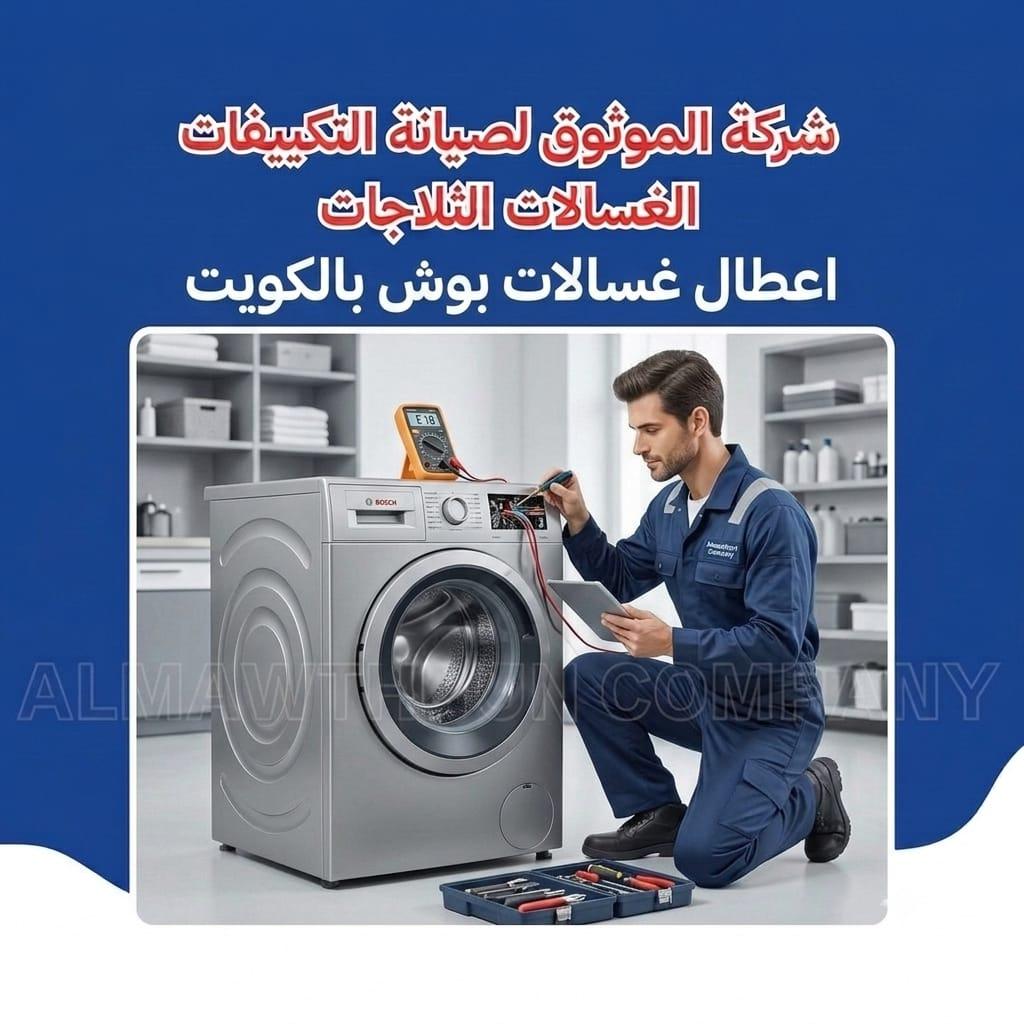
If a Bosch washing machine door does not open after washing, the first step is not forcing the handle or trying to break the lock free. It is necessary to confirm that the program genuinely ended and that the water fully drained because many washing machines intentionally keep the door locked when water is still detected inside or when the cycle has not reached a normal finish. Sometimes what appears to be a door-lock problem is actually slow drainage or a program that stopped before completion. In that situation, diagnosing the cause is much more important than finding a quick way to force the door open.
It is reasonable to wait for the normal short delay after the program ends because some locks do not release immediately. If the display shows the cycle is complete but the door remains locked for an unusually long time, check whether water is visible inside the drum or whether an error code appears. If water is still present, drainage becomes the first area of investigation. If the drum is empty and the program ended normally, then the lock mechanism and its related control should be inspected. The problem may be mechanical or electrical depending on the situation, so the symptom alone does not identify the failed part.
One common mistake is pulling the handle aggressively or inserting objects around the door. This can damage the handle, gasket, or door assembly and create a more expensive problem than the original lock fault. If clothes are trapped inside and the door does not open, avoid force and let the technician handle the situation. After repair, the lock should be tested through a real cycle rather than simply opening and closing the door once.
-
Confirm that the program ended and all water drained because water remaining in the drum may intentionally keep the door locked for safety
-
Do not pull the handle forcefully or insert tools around the door because a limited locking fault can become damage to the handle door or gasket
-
Check whether an error code or water remains inside during the problem because these details help distinguish a lock issue from a drainage problem
-
After repair test the door lock and release after a full cycle because one successful opening without operation does not prove the problem is stable
Bosch Washing Machine Drainage Problem
A Bosch washing machine drainage problem can appear in several ways: water remains inside the washer, the program becomes longer, spinning never begins, or you hear the pump running while the water level does not drop. That is why the entire drainage path should be inspected instead of automatically blaming the pump. The drain hose may be bent or compressed, a small object or lint may be blocking part of the path, or the pump itself may have weakened. All of these conditions can create similar symptoms while requiring completely different solutions.
If the washer drains some water but does so slowly, that is important information because it differs from complete drainage failure. Slow drainage may cause the program to wait or retry before moving into the spin stage. If the pump can clearly be heard but the water does not move, the cause may involve a blockage or weak pumping performance. If there is no sound at all, the technician needs to confirm whether the pump is receiving an operating command. Neither the sound alone nor the presence of water alone is enough to prove the pump is healthy or faulty.
If the model has a user-accessible drain filter, it should only be handled after the washer is disconnected from power and the area is prepared for water to come out. Internal hoses should not be dismantled and a water-filled washer should not be moved carelessly. After cleaning or repair, actual drainage should be tested and the washer should be observed moving naturally into spinning. Good drainage is proven by the cycle continuing normally, not simply by a small amount of water leaving the machine.
-
Determine whether the issue is slow drainage or complete failure because this distinction helps narrow the possibilities before any part is removed
-
Compare pump sound with the actual water level because hearing the pump without water movement is different from receiving no response at all
-
Check the external drain hose when it is safe to access because bending or compression behind the appliance can restrict drainage without any internal fault
-
After correcting the problem make sure the washer enters spinning normally because successful drainage should improve the following stages of the cycle
Bosch Washing Machine Leaves Clothes Wet
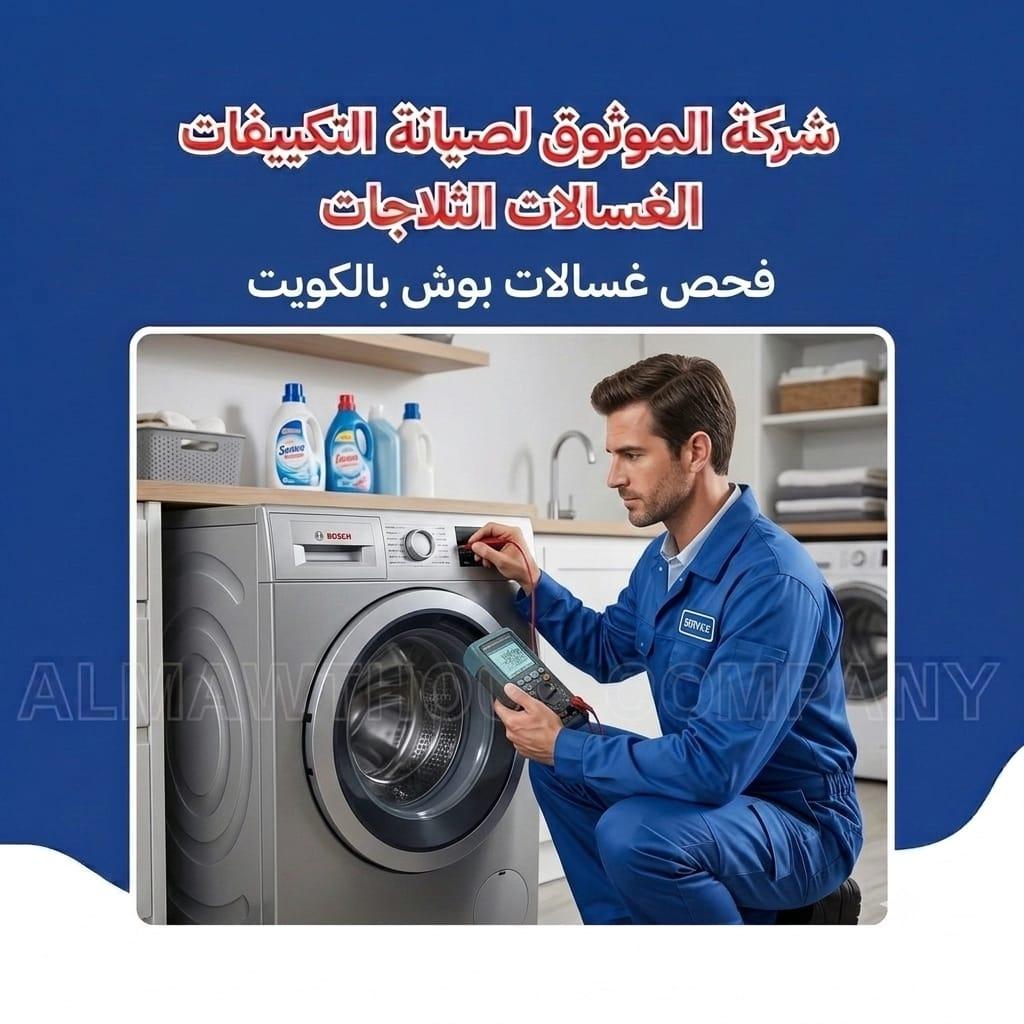
When a Bosch washing machine leaves clothes wet more than usual, the first question is whether the spin stage itself is weak or whether an earlier problem is preventing the washer from reaching the correct spin speed. One of the most important checks is confirming that the water has fully drained and that the load is balanced. If water remains in the drum or clothes are concentrated on one side, the washer may reduce spin speed or repeatedly redistribute the load to protect itself. The final result can therefore be wet clothing even though part of the spinning system is still functioning correctly.
Program selection also affects the result. Some programs intentionally use a lower spin speed, so comparison should be made using the same program and a similar load. If clothes used to come out drier and now remain noticeably wetter under the same conditions, then there is a genuine performance change. The technician should review drainage, load balance, drum movement, and spin speed according to the model. If the washer repeatedly attempts to accelerate, then slows or stops, that is a useful observation to mention.
A common mistake is running an additional spin cycle every time and considering the problem solved. The clothes may come out better temporarily, but the underlying cause remains if there is a drainage, balance, or movement issue. Repeated overloading can also reduce spin results. A medium balanced load is more useful for testing. After repair, moisture level after an actual spin should be evaluated rather than only watching the empty drum rotate.
-
Confirm that drainage is complete before blaming the spin system because water remaining inside can prevent the washer from reaching full spin speed
-
Compare the result using the same program and a similar load because different programs can naturally leave different levels of moisture in the clothing
-
Watch whether the washer repeatedly redistributes the load or lowers its speed because this may point toward balance conditions rather than a direct rotation failure
-
If clothes remain wet after normal drainage and a suitable load the spin stage should be inspected instead of relying on repeated extra-spin cycles
Bosch Washing Machine Pump Repair
Bosch washing machine pump repair should depend on a clear test because water remaining in the drum does not by itself prove that the pump has failed. Before blaming the pump, the drain hose and any user-accessible filter or drainage path should be checked according to the model to make sure there is no foreign object or blockage restricting water movement. If the path is clear, the technician can then evaluate pump response, pumping performance, and whether the operating command is reaching it.
Sometimes the pump makes noise but still cannot remove water properly. In that case, the technician needs to determine whether the problem is a blockage or whether the pump itself has become weak. In another situation, the pump may remain completely silent, but before it is replaced, the technician should confirm that it is actually receiving the correct operating command. If the real problem is in control, installing a new pump will not change the result. Directly powering or dismantling the pump without experience can also cause leakage or create an electrical risk.
If testing confirms that the pump is weak or defective, it can be repaired or replaced depending on the specific condition and design. After the work is complete, the test should not simply confirm that the pump makes noise. A real quantity of water should be drained, the time should be observed, and the washer should then move into the next stage. A successful pump is one that restores the function, not one that only restores the sound. If the real problem was only a blockage, there is no reason to replace the pump just “to be safe.”
-
Do not treat water remaining inside as final proof of pump failure because a blocked drainage path can create the same symptom while the pump itself is healthy
-
Ask whether the pump was confirmed to be receiving its operating command before replacement because changing the component will not help if the control system is the real cause
-
Avoid removing or directly powering the pump yourself because water and electricity inside the washer require safe professional testing
-
After repair test actual drainage speed volume and program progression because pump success is proven by restored function rather than by sound alone
Bosch Washing Machine Operating Faults
Understanding Bosch washing machine operating faults becomes much easier when the problem is classified according to the stage where it appears instead of placing everything under one general label. Some faults prevent startup, some appear during water intake, and others occur during drainage, spinning, or door release. Once the stage is clear, the possible causes can be arranged more logically. A washer that will not start should not be inspected in the same way as one that completes most of the cycle but cannot drain.
Error codes or messages on the display are also useful as diagnostic guidance, but they are not a final verdict on a component. The same code may require checking more than one possible cause depending on the model and operating conditions. It is therefore useful to take a photo of the code and remember exactly when it appeared and what the washer was doing immediately before it. If the code disappears after restarting the machine but returns later, that is important because it shows that the problem is recurring rather than a one-time event.
It is also important to distinguish between a minor operating issue and a condition that requires immediate shutdown. A small delay or a slightly longer program can be reviewed calmly, but a burning smell, water leaking near electrical components, or a severe rubbing noise means the washer should be switched off. Smart diagnosis is not about knowing the names of every part. It is about knowing when to collect information and when not to keep restarting the appliance. The clearer the timing and context of the symptom, the closer the technician can get to the actual cause.
-
Classify the problem according to the operating stage where it appears because startup faults drainage faults spinning faults and door-lock faults need different inspection methods
-
Keep a photo of any error code or message because the code can guide diagnosis but should always be compared with washer behavior and testing
-
Mention if the fault is intermittent and returns after restarting because repeated problems under similar conditions have more diagnostic value than a one-time event
-
Stop using the washer if there is a burning smell electrical-area leakage or severe mechanical noise because these situations should not be treated as ordinary operating problems
Bosch Home Repair Service
A Bosch home repair service is useful because the technician can inspect the washer in its real environment and reproduce the fault under the same conditions in which it normally appears. This is especially important for drainage, vibration, water intake, and even door-related problems because installation, hoses, floor level, and the surrounding space can influence washer behavior. A good home repair service starts with an external inspection and actual operation before any major dismantling takes place.
Before the visit, prepare the model number if it is easy to access and give a simple but useful description of the problem. Does the door remain locked? Does water stay inside the drum? Does the washer fail to start? Do clothes come out wet? Did the problem begin after the appliance was moved, cleaned, or had a hose changed? These details help the technician prepare more accurately. It is also useful to ask from the beginning about the inspection fee and what the basic service includes.
After diagnosis, if repair is recommended, ask for a short explanation of the cause and price. If more than one solution is available, ask about the difference between them. The exact function that failed should also be tested after the work. If drainage was the problem, drainage should be tested. If the lock was the problem, a full cycle should be completed and the door release checked. A successful home repair is not measured by how many parts were replaced. It is measured by a clear diagnosis, disappearance of the original symptom, and stable washer operation after testing.
-
Prepare the model number and a clear symptom description before the visit because advance information reduces wasted time and helps the technician bring more appropriate diagnostic tools
-
Ask about the inspection fee and service scope before the technician arrives because clear pricing prevents different expectations after work begins
-
Ask for the reason behind the repair before approving it because trustworthy service should connect the cost to a clear diagnosis rather than a general assumption
-
After the work test the same problem that caused the booking because successful service is measured by restoration of normal function rather than simply by turning the appliance on
Conclusion
Bosch washing machine repair becomes more accurate when faults are understood as part of the cycle sequence rather than simply as names of components. A door that will not open may be connected to water that failed to drain. Wet clothes may come from poor balance or slow drainage. A startup problem may begin with a simple operating condition before there is any reason to think about a control board or another major part. That is why diagnosis should always come before component replacement or a final repair price.
If you need Bosch washing machine repair in Kuwait, choose a technician who inspects the appliance in its actual installation and explains what was tested and why the diagnosis was reached. If there is a burning smell, major water leakage, or strong mechanical noise, stop using the washer immediately. The goal is not for the machine to run for a few moments in front of the technician. The goal is for startup, drainage, spinning, locking, and the rest of the cycle to return to stable operation without the same fault coming back.
Frequently Asked Questions
Why does my Bosch washing machine not start even though the display is on?
There may be an operating condition that has not been completed, such as the door lock, or there may be a problem related to program control. If the display is active but the cycle does not start, the door-lock behavior and program response should be checked before any component is blamed.
What should I do if my Bosch washer door does not open after the cycle?
First confirm that the program has finished and all water has drained, then allow the normal short delay for the lock to release. If the door remains locked, do not force it open and request inspection, especially if water is still visible inside.
Does a drainage problem mean the Bosch pump is faulty?
Not necessarily. The drain hose may be bent or there may be a blockage in the drainage path. The pump should be tested only after confirming that the water path is clear and that the operating command is reaching it.
Why does my Bosch washing machine leave clothes wet after the cycle?
The cause may be incomplete drainage, an unbalanced load, a program with a lower spin speed, or a problem reaching full spin speed. Drainage and balance should be reviewed before the spin system itself is blamed.
When should I request Bosch home repair service?
If the problem keeps returning despite simple safe checks, or if the washer will not start, water remains inside, the door stays locked, or there is strong noise or a burning smell, a home technician visit is the better choice for identifying the cause before any repair is carried out.