LG AC Maintenance: Performance Checks Before Repair
An LG air conditioner can keep running and still blow air without actually performing at the level it should. Sometimes the problem develops gradually: the room takes longer to cool, airflow becomes weaker, or the outdoor unit runs for longer periods than before. One of the most common mistakes is jumping immediately to repairs or refrigerant charging before checking the filter, airflow, and the condition of both indoor and outdoor units. In this article, we explain LG AC maintenance from a practical point of view that focuses on measuring performance first and cleaning the causes that may reduce efficiency before blaming any component. This helps you understand when cleaning is enough, when maintenance is appropriate, and when the air conditioner genuinely needs technical repair.
LG AC Maintenance
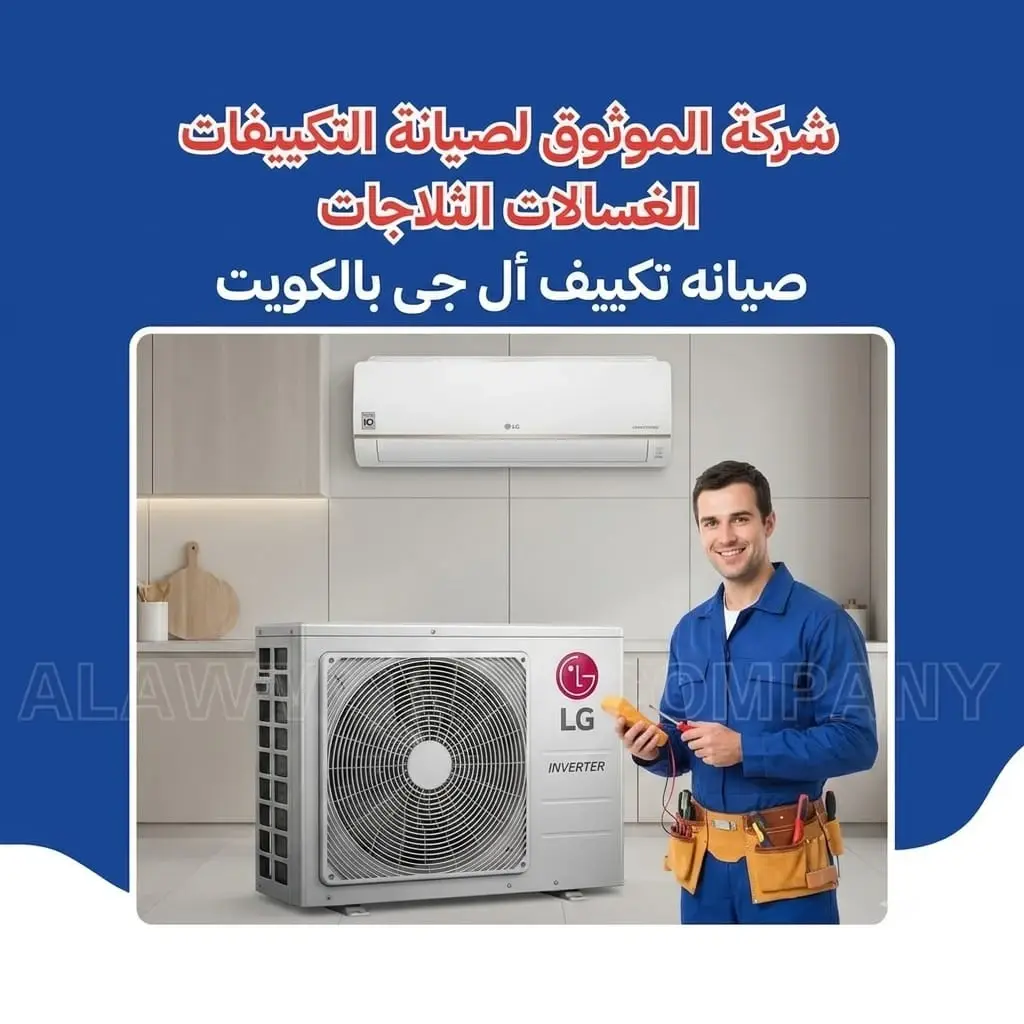
Proper LG AC maintenance should begin by understanding what has changed in the air conditioner’s performance compared with how it normally used to operate. The fact that the unit still produces some cold air does not automatically mean it is working efficiently. The air conditioner may eventually reach the selected temperature but take much longer than before, cool only the area directly in front of the indoor unit while the rest of the room stays warm, or run for very long periods without cycling normally. These changes are diagnostically useful, especially when they develop gradually. A technician who approaches maintenance correctly should inspect filter condition, airflow, cleanliness of both the indoor and outdoor units, and the relationship between the selected temperature and the actual room temperature before making assumptions about the refrigeration system.
It is also important to understand the difference between maintenance and repair. Maintenance is mainly about preserving airflow, keeping heat-transfer surfaces clean, and identifying early warning signs before they turn into major faults. Repair begins when there is clear evidence that a component or function is no longer working correctly. For example, a heavily clogged filter can reduce airflow enough to make cooling feel weak, but cleaning it may restore performance without replacing anything. On the other hand, if airflow is strong but the air temperature remains warmer than expected even though the filters and operating conditions are good, then deeper inspection becomes more reasonable. Making this distinction can save unnecessary repair costs and prevents every cooling complaint from being treated with the same solution.
The outdoor unit should also be included in maintenance because many users focus only on the indoor unit and forget that heat rejection depends on both sections of the system. Heavy dust around the heat-exchange surface or poor ventilation around the outdoor unit can increase operating load and reduce efficiency. However, cleaning must be done properly without spraying water carelessly over electrical parts or bending the fins. Good maintenance does not mean dismantling everything just to look busy. It means knowing which areas require cleaning, which conditions require inspection, and which symptoms actually justify repair.
-
Watch whether the air conditioner now takes longer to cool the same room because a change in cooling time under similar conditions gives a clearer performance clue than simply feeling that the air is still cold
-
Distinguish preventive maintenance from actual repair because cleaning filters and restoring airflow is very different from fixing an electrical fault or a confirmed refrigeration-system problem
-
Do not ignore the outdoor unit during maintenance because poor heat rejection outside can reduce overall cooling performance even when the indoor unit appears clean
-
If normal performance returns after cleaning and adjustment there is no reason to add unnecessary repair work because the purpose of maintenance is to correct the actual cause rather than increase the number of service steps
Checking LG Air Conditioner Performance
A proper LG air conditioner performance check should rely on several indicators rather than standing underneath the unit, holding up a hand, and saying, “The air feels cold.” A better assessment starts with the room temperature and the selected setting, then looks at airflow strength, operating duration, and the air conditioner’s ability to lower room temperature within a reasonable period for the conditions. Room size, insulation, number of people, door opening, sunlight, and outdoor temperature all affect performance. That means it is not fair to compare an air conditioner in a small closed bedroom with one cooling a large living room where doors keep opening and then judge both systems by exactly the same standard.
It is also important to determine whether the issue is the temperature of the air or the amount of air being delivered. Sometimes the air coming out is genuinely cold but airflow is weak because of a clogged filter or buildup on internal components, causing the room to take longer to cool. In another situation, airflow may be strong but the air itself is not as cold as expected. That changes the inspection direction and may require closer attention to system operation, the outdoor unit, and the refrigeration circuit depending on the evidence. This distinction prevents a “low refrigerant” diagnosis simply because the room does not cool quickly, since weak airflow can create a very similar user experience even though the cause is completely different.
A good technician should also observe whether the system eventually stabilizes or continues operating without meaningful improvement. If the unit runs for a long time and the room temperature barely changes, that deserves analysis. If it cycles normally and reaches the selected comfort level, its behavior may be reasonable for the current load. During testing, it is also better not to change several variables at the same time. If the temperature setting is lowered, the filter is cleaned, the windows are opened, and fan speed is changed all at once, it becomes difficult to know what actually improved performance. Stable test conditions produce a much clearer diagnosis.
-
Compare airflow strength with supply-air temperature because cold but weak airflow points in a different direction from strong airflow that is warmer than it should be
-
Take room conditions into account including size insulation door opening and occupancy because air conditioner performance cannot be judged separately from the heat load in the space
-
Observe how effectively the unit reduces room temperature over time instead of judging performance from the first minute because real efficiency appears in stable response rather than a short burst of cold air
-
Keep settings and room conditions as consistent as possible during comparison because changing several factors at once makes it difficult to identify what actually improved the result
Diagnosing Weak Cooling in an LG Air Conditioner

Proper diagnosis of weak cooling in an LG air conditioner begins by separating the complaint into different patterns rather than treating weak cooling as one single fault. There is a clear difference between an air conditioner with weak airflow but cold air, a system with normal airflow but insufficiently cold air, and a unit that cools well for the first hour and then gradually loses performance. Each situation points toward a different group of possible causes, which is exactly why diagnosis should come before repair. If the filter is heavily clogged, airflow can fall enough to create the impression that the system is not cooling. If the outdoor unit has poor ventilation or a heavily dirty heat-exchange surface, operating load can rise and efficiency may drop. If those conditions are all good, the technician can then widen the investigation according to the symptoms instead of beginning with the most expensive possibility.
One of the most common mistakes is assuming every weak-cooling complaint means the system is short of refrigerant. Refrigerant circulates inside a sealed system and is not supposed to “run out” as a normal part of regular use. If testing confirms a reduced refrigerant charge, the possible reason for that loss should be investigated rather than treating charging as routine seasonal maintenance. The presence of ice on part of the indoor unit also does not automatically prove low refrigerant. Restricted airflow and other operating faults can create icing as well. That is why diagnosis based on several indicators is much more reliable than using one visible sign as a final conclusion.
The timing of the problem is also useful. If the air conditioner worked perfectly and then became weak after incorrect cleaning, after something was placed too close to the outdoor unit, or after a long period of dust buildup, those details matter. If cooling becomes noticeably weaker during the hottest part of the day but seems acceptable at night, the technician should consider heat load, ventilation, and overall efficiency before declaring that a component has failed. A specialist connects symptoms with operating conditions, checks the simpler logical causes first, and only moves to deeper testing when performance does not recover. The fastest person to say “refrigerant” is not necessarily the person with the best diagnosis.
-
Determine whether the problem is weak airflow insufficient cooling temperature or both because each pattern directs the inspection toward a different group of causes
-
Do not treat weak cooling as automatic proof of low refrigerant because dirty filters airflow restrictions and outdoor-unit conditions can produce similar complaints
-
Tell the technician if the cooling weakness began after a specific event such as cleaning or changing the space around the outdoor unit because the timing may shorten the diagnostic process
-
If refrigerant charging is recommended ask how the need was confirmed and why the charge became low because any real loss in a sealed system should have an explanation rather than being treated as routine refilling
Cleaning the LG Air Conditioner Filter
Cleaning the LG air conditioner filter is one of the simplest maintenance tasks, but it can have a major effect on performance when it is neglected. The filter captures a significant amount of dust and airborne debris before it moves deeper into the indoor unit. With continuous use, this buildup gradually restricts airflow. The problem is that the air conditioner may still sound normal and continue operating, while airflow decreases little by little until the user only notices that the room now takes much longer to cool. At that point, some people lower the temperature setting or leave the air conditioner running for longer periods, even though the main cause may simply be a filter that needs proper cleaning.
Filter cleaning should begin by disconnecting power to the air conditioner and opening the cover according to the model design. The filter should be removed carefully without bending or damaging the frame. If the filter is washable, it should be cleaned using an appropriate method and allowed to dry completely before being reinstalled. Putting a damp filter back inside the unit is not a good idea because moisture can attract dust more quickly and may contribute to unpleasant odors. Harsh brushes or excessive pressure should also be avoided because they can damage the filter material even when the surface looks cleaner afterward.
After cleaning, observe whether airflow improves. If the difference is obvious, the restriction was likely contributing to the problem. If airflow remains weak, then the fan, indoor heat-exchange surface, and airflow path should be inspected instead of cleaning the same filter repeatedly. If the filter becomes dirty again unusually quickly, it is also worth reviewing the amount of dust in the room, the operating hours, and environmental conditions. Good maintenance does not stop at “clean the filter.” It asks why buildup is happening so quickly and whether the cleaning interval should be adjusted to match actual usage.
-
Disconnect power before removing the filter because there is no reason to handle the indoor unit while it remains energized and add unnecessary risk
-
Allow the filter to dry completely before reinstalling it because trapped moisture can contribute to odor and cause dust to stick more quickly
-
Avoid excessive pressure or rough tools during cleaning because damaging the filter surface can reduce its effectiveness even if it appears visually cleaner
-
If airflow remains weak after filter cleaning move on to inspecting the fan indoor heat-exchange surface and airflow path instead of repeating the same step without improvement
Inspecting the Outdoor Unit of an LG Air Conditioner
A proper inspection of the outdoor unit of an LG air conditioner is important because the outdoor section is responsible for rejecting heat from the space, and poor ventilation or heavy dirt on the heat-exchange surface can directly reduce indoor cooling performance. Many people focus heavily on keeping the indoor unit clean while leaving the outdoor section surrounded by dust or objects that restrict airflow. Later, they wonder why the system takes longer to cool. The cause is not always refrigerant and not always an indoor-unit problem. Sometimes the outdoor unit is simply struggling to move enough air around the coil to release heat effectively.
Inspection begins with the installation area itself. There should be enough open space around the unit for air to enter and leave properly, without boxes, panels, stored items, or other barriers blocking airflow. The condition of the fins should also be checked for heavy dirt accumulation or obvious bending. The outdoor fan should operate normally without strong rubbing sounds, inconsistent movement, or visible obstruction. Cleaning the outdoor unit requires care because spraying water indiscriminately around electrical components or using excessive pressure can create new problems instead of solving the existing one.
A specialist technician connects outdoor-unit condition with what is happening inside the room. If the outdoor coil is heavily dirty and the air conditioner has been running for long periods, cleaning may improve heat rejection and overall efficiency. If the outdoor unit is clean, well ventilated, and operating normally but cooling remains weak, then deeper technical inspection becomes more justified. The important point is that components should not be replaced before basic operating conditions are confirmed. The outdoor unit is not just something mounted outside the building. It is a major part of the cooling process and should be included in any serious performance assessment.
-
Make sure there are no objects or barriers close to the outdoor unit that restrict airflow because poor ventilation can increase operating load and reduce efficiency
-
Inspect the fins carefully and clean them without harsh tools because bent or damaged fins can reduce heat-transfer performance
-
Observe outdoor-fan movement and sound because abnormal speed changes or rubbing noises may point to a condition that needs inspection
-
If cooling improves after outdoor-unit cleaning that shows dirt buildup was contributing to the problem and may prevent unnecessary larger repairs
Water Leaking From an LG Air Conditioner
When you notice water leaking from an LG air conditioner inside the room, the first useful step is identifying exactly where the water appears and when the leak begins. Sometimes water starts dripping shortly after the system is turned on, sometimes it collects slowly and then releases all at once, and sometimes it leaks from only one side of the indoor unit. These details matter because the problem may involve a blocked or restricted drain path, an incorrectly positioned drain hose, or dirt around the condensate collection area. In other cases, ice may form inside the unit and later melt, producing more water than expected. In that situation, the important question is not just why water is dripping but why the ice formed in the first place.
One common mistake is placing a towel underneath the air conditioner and continuing to operate it as though the problem has been solved. Continued leakage can damage walls, furniture, or areas close to electrical components, so it should not be treated as a minor inconvenience. If the external drain hose is safely visible, you can check whether it is clearly bent or compressed, but inserting wires or tools randomly into the drainage path is not recommended because the blockage may be pushed deeper or internal parts may be damaged.
A technician should inspect the drainage path from beginning to end, confirm that the hose has the correct slope and no obstruction, and then review the cleanliness and airflow condition of the indoor unit. If icing is present on the coil, the reason for the icing should be diagnosed rather than simply melting the ice. Water leakage can sometimes be a consequence of another operating problem rather than the original fault. If the leak is heavy or occurs near electrical components, switching the unit off and requesting inspection is the safer choice.
-
Notice whether the leak appears immediately after startup or only after some time because the timing can help distinguish drainage problems from ice that forms and later melts
-
Do not rely on placing a towel under the unit if leakage continues because controlling the visible water does not prevent damage or correct the original cause
-
Check the visible drain hose from outside if access is safe and confirm that it is not clearly compressed or sharply bent before attempting any internal work
-
If ice appears inside the unit together with water leakage the cause of the icing should be investigated because simply melting the ice may only restore operation temporarily
Unusual Noise in an LG Air Conditioner
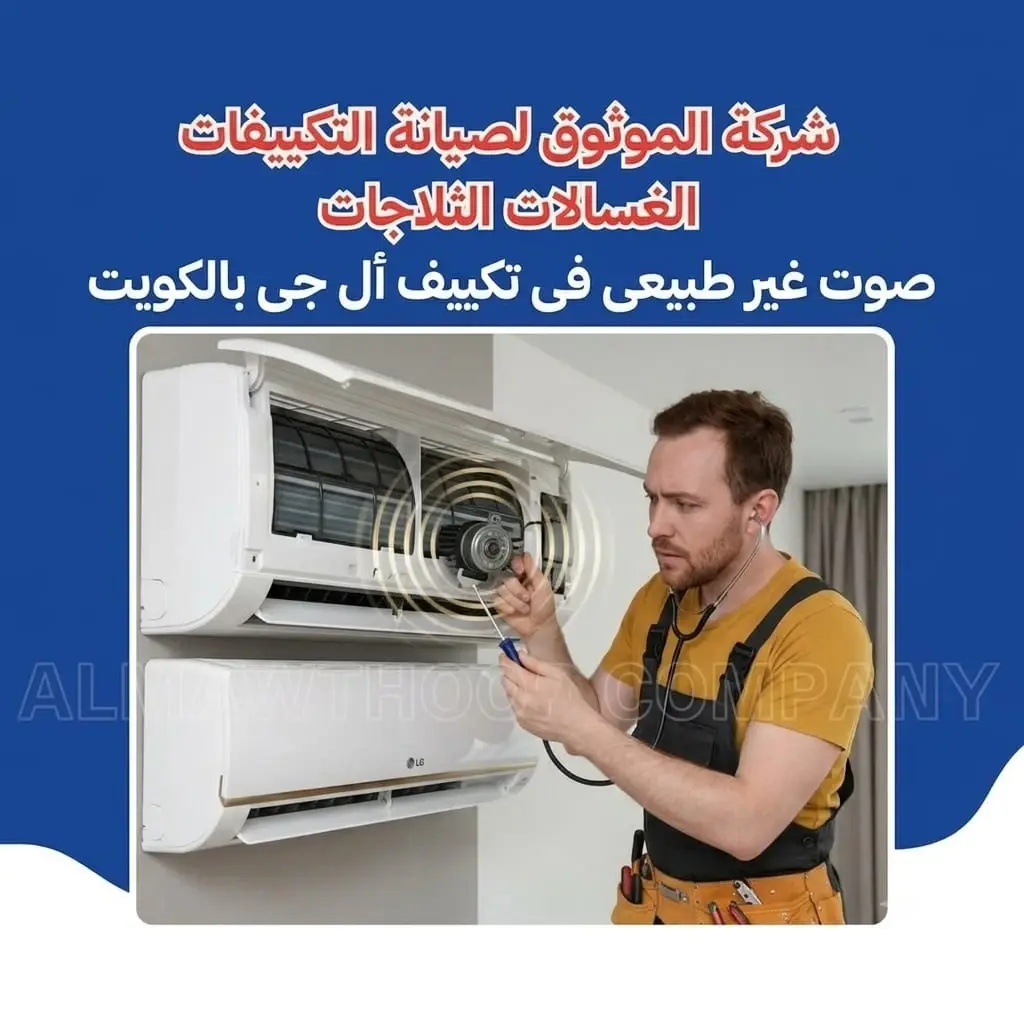
An unusual noise in an LG air conditioner deserves a little observation before assuming that a major fault has occurred because air conditioners naturally produce some normal operating sounds from fan startup, refrigerant movement, material expansion, and changes in temperature. However, if a new sound appears that was not there before, becomes progressively louder, or happens together with weak airflow or cooling, it should be taken more seriously. A rubbing noise inside the indoor unit may involve the fan or an object close to it, while repeated clicking from the outdoor unit or a strong sound at startup requires a different diagnostic direction.
The most useful thing is identifying where the sound comes from. Does it come from the indoor unit or outdoor unit? Does it appear only at startup or continue during operation? Does it become louder when fan speed is increased? If the sound changes with fan speed, that can suggest a mechanical issue related to movement inside the unit. If the sound comes from outside and appears when the compressor or outdoor fan starts, then the technician should focus there. These details reduce unnecessary dismantling and help narrow the inspection toward the correct section.
It is also important to distinguish between a noise caused by loose mounting and one caused by an internal component. Sometimes a cover, screw, or plastic piece vibrates and creates an annoying sound even though the air conditioner itself is cooling normally. But if the noise appears together with a burning smell, unusual heat, or sudden shutdown, continuing to run the unit is not worth the risk. In that case, turn it off and arrange inspection. Not every sound means disaster, but not every sound should be dismissed as the air conditioner “just making noise” until the day it stops completely.
-
Identify whether the sound comes from the indoor or outdoor unit because the location immediately narrows the inspection area
-
Watch whether the noise changes with fan speed because a clear relationship between sound and speed can indicate a movement or rubbing issue
-
Check simple external covers and mounting points before assuming an internal failure because some noises are caused by loose parts that only need adjustment
-
If the sound appears with a burning smell unusual heat or sudden shutdown stop using the unit because the condition needs technical inspection rather than repeated testing
Weak Airflow From an LG Air Conditioner
When weak airflow from an LG air conditioner appears, it is important to know whether the problem developed gradually or suddenly and whether the air itself still feels cold. If airflow is weak but the air temperature is cold, the inspection should usually begin with the filter, indoor coil, fan, and airflow path. If both airflow and cooling temperature are poor, there may be more than one factor involved. This distinction matters because weak airflow alone can make a room take much longer to cool even when the refrigeration cycle itself is functioning reasonably well.
One of the simplest causes is dust buildup on the filter or internal surfaces that restrict air movement. However, if the filter is clean and nothing improves, the fan should be checked to see whether its speed actually changes according to the selected setting and whether there is buildup on the blades or an obstruction inside the unit. Some users also leave the fan on a low setting and assume the air conditioner is weak, so the setting should be confirmed before judging performance. If the unit is set to high fan speed and airflow remains noticeably weaker than it used to be, then technical inspection becomes more appropriate.
Weak airflow directly affects comfort and cooling efficiency because cold air needs to circulate through the room rather than remain close to the indoor unit. That is why airflow quantity matters just as much as air temperature. A good technician should compare airflow before and after cleaning or repair and confirm that the fan responds to speed commands. If ice appears on the indoor coil together with weak airflow, the unit should be stopped and the cause investigated because continued operation may increase the icing and further reduce performance.
-
Change the fan-speed setting and confirm that airflow changes accordingly because failure to respond to different speeds may indicate a problem that deserves inspection
-
Clean the filter first if it is visibly dirty because restriction at the filter is one of the most common reasons for reduced airflow without a major internal fault
-
If the air is cold but airflow is weak focus first on the fan and airflow path instead of immediately investigating refrigerant because the problem is more likely related to air movement
-
If ice appears inside the indoor unit together with weak airflow stop operation and arrange inspection because continued running can increase the buildup and reduce cooling even further
Testing the Efficiency of an LG Air Conditioner
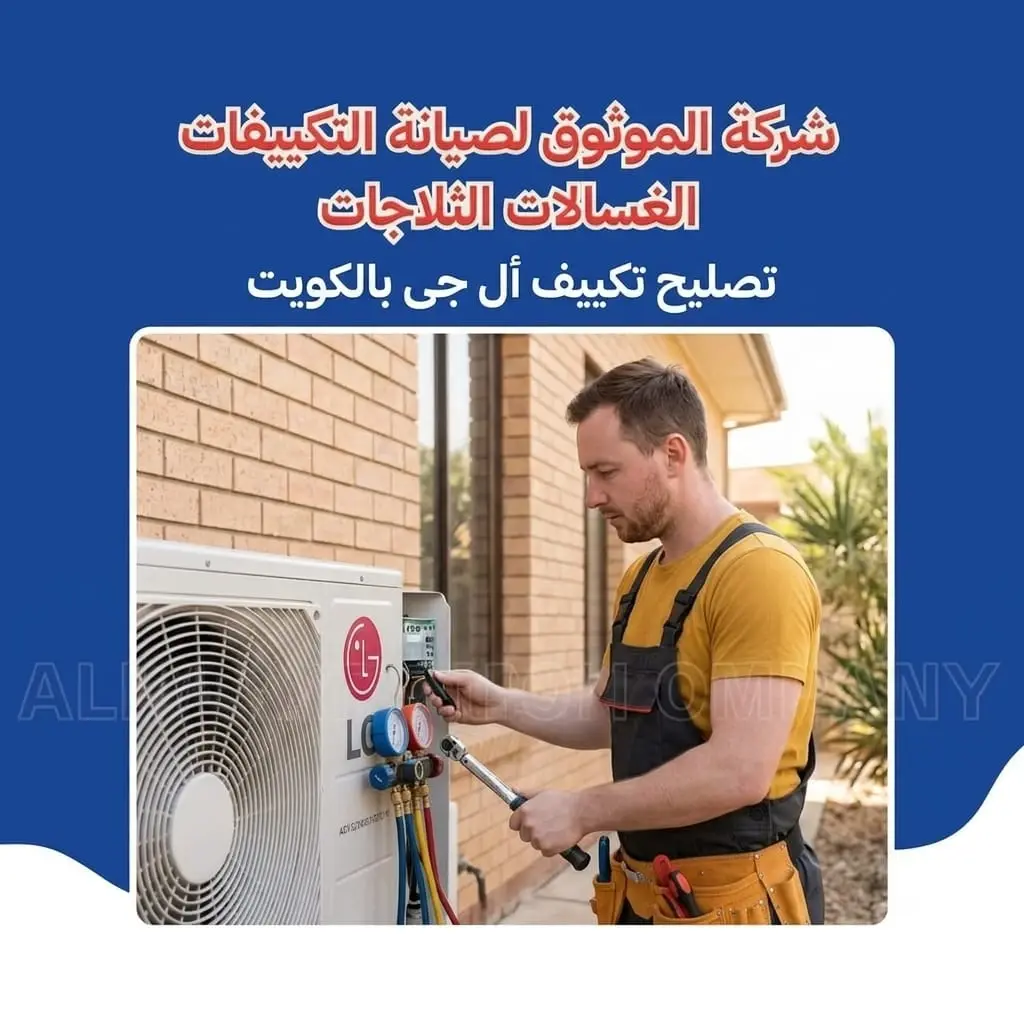
A proper LG air conditioner efficiency test should not be based on a single moment or only on whether the room feels somewhat cooler. Efficiency should be assessed through several indicators including the time required to reach the selected temperature, airflow strength, stable operation, absence of leakage or abnormal noises, and the unit’s ability to maintain comfort without running continuously under excessive strain. To make the test meaningful, operating conditions should remain as stable as possible. Doors and windows should be kept normally closed, the selected temperature should remain known, and several variables should not be changed at the same time.
A technician may begin by measuring room temperature and then observing the air conditioner’s response over a suitable period. Airflow can be compared before and after filter or coil cleaning, and the behavior of the compressor and fans can be reviewed to make sure operation appears logical. If the air conditioner achieves good performance after maintenance, there is no benefit in adding unnecessary repair work just to “be safe.” If efficiency remains poor even after cleanliness, ventilation, and settings have all been confirmed, deeper technical testing becomes much more justified.
Efficiency testing is especially useful after any maintenance service because it shows whether the work actually improved performance. It is not enough for a technician to say, “The filter is clean now, so everything is fine,” without comparing the result. It is also unfair to compare cooling performance in the hottest part of the afternoon with performance late at night and conclude that a fault exists simply because the results differ. Outdoor temperature and room heat load influence performance significantly. The real goal is to evaluate the air conditioner under clear, consistent conditions and determine whether it is doing its job properly.
-
Compare how long the room takes to cool before and after maintenance under similar conditions because improved cooling time gives practical evidence that the service made a difference
-
Observe stable operation along with the absence of leaks and unusual sounds because efficiency involves more than temperature alone and includes smooth consistent performance
-
Do not compare the unit under completely different conditions and assume any difference means a fault because outdoor heat insulation and door opening can change performance dramatically
-
If efficiency returns after cleaning and adjustment there is no reason to move into larger repairs because measurements should determine the need rather than anxiety alone
When Does an LG Air Conditioner Need Repair?
The question when does an LG air conditioner need repair is best answered when cleaning, adjustment, and basic checks fail to restore performance or when there is a clear sign of a genuine fault. If the filter is clean, the outdoor unit has good ventilation, the settings are correct, and cooling still remains consistently weak, deeper inspection becomes necessary. The same applies when there is repeated water leakage, a new strong noise, abnormal fan operation, or unusual cycling. These conditions go beyond routine maintenance and move into the area of technical repair.
Real repair should always be based on diagnosis. Not every cooling complaint means refrigerant charging, not every noise means a fan motor, and not every leak means a blocked drain hose. A technician should first eliminate the simpler causes and then use the appropriate measurements for the specific symptom. If one component is identified as the source, the technician should explain why that conclusion was reached and what the repair will cost before work begins. This matters because random repair can lead to paying for more than one unnecessary component without ever correcting the actual fault.
From an economic point of view, if the air conditioner is old and already has several problems at the same time, it may be reasonable to compare repair cost with the overall condition and efficiency of the unit. If the fault is limited and the system is otherwise in good condition, repairing the confirmed cause may be the sensible choice. The idea is not to repair every air conditioner the moment performance drops slightly, and it is also not wise to wait until the unit stops completely. The right time for repair is when there is clear evidence that routine maintenance is no longer enough.
-
Request repair if cooling remains weak after cleaning the filters improving ventilation and confirming correct settings because the problem likely goes beyond simple maintenance
-
Do not continue running the unit with a strong abnormal noise burning smell or obvious water leakage because those signs deserve faster attention to prevent additional damage
-
Ask for a clear explanation of the fault before approving replacement of any component because proper repair should be based on diagnosis rather than trying one part after another
-
If the system is older and the repair cost is high compare that cost with its overall condition and efficiency before deciding because the best option should make practical and economic sense
Conclusion
Successful LG air conditioner maintenance begins with measuring performance and understanding why it changed before moving into repair. A dirty filter, weak airflow, or poor ventilation around the outdoor unit can create symptoms that feel similar to a much larger technical problem, which is why organized cleaning and inspection can eliminate a lot of unnecessary guesswork. At the same time, if weak cooling continues after maintenance or if water leakage, abnormal noise, or another clear operating fault appears, then the next step should be proper technical diagnosis rather than repeating cleaning alone.
If you need LG AC maintenance, choose a technician who starts with inspection, explains what they found, separates what needs cleaning from what actually needs repair, and does not jump immediately to the most expensive solution. The goal is for the air conditioner to cool efficiently, provide appropriate airflow, and operate in a stable way, not merely blow cold air for a short period. The earlier genuine warning signs are handled correctly, the lower the chance that the problem develops into a larger and more expensive repair.
Frequently Asked Questions
Does weak cooling from an LG air conditioner mean it needs refrigerant?
Not necessarily. The cause may be a dirty filter, weak airflow, poor ventilation around the outdoor unit, or another problem. If low refrigerant is suspected, it should be confirmed through proper testing rather than random charging.
How often should I clean the LG air conditioner filter?
There is no single interval that suits every home because operating hours and dust levels vary. It is better to inspect the filter regularly and clean it when visible buildup appears or when airflow becomes weaker than it used to be.
Why is my LG air conditioner leaking water indoors?
The leak may come from a blocked or restricted drainage path, dirt buildup, incorrect drain-hose positioning, or ice forming inside the unit and later melting. The actual source of the water should be identified before choosing the repair.
Is a new noise from my LG air conditioner always a fault?
Not every sound is a fault because some operating noises are normal. However, if the sound is clearly new, becomes louder over time, or appears with weak cooling, strong vibration, or an unusual smell, inspection is a better choice.
When should I call a technician instead of cleaning the air conditioner myself?
If you have cleaned the filter, checked the settings and ventilation, and performance still does not improve, or if there is repeated leakage, strong noise, a burning smell, or clearly weak cooling, a technician should diagnose the cause before any repair is carried out.