Samsung Double Door Fridge Repair: Weak Cooling &When to Call
When a Samsung double door refrigerator starts cooling less efficiently, it does not automatically mean the compressor has failed or that the refrigerator immediately needs refrigerant charging. A double door design depends heavily on balanced cooling distribution between the freezer and refrigerator compartments, so a problem with the fan, airflow path, sensors, or ice buildup can make one compartment colder than the other. In this article, we explain Samsung double door refrigerator maintenance from a perspective focused specifically on this type of appliance. We also show how to distinguish a minor cooling issue from a fault that needs a technician, and which warning signs should be checked before approving an expensive component replacement without clear technical evidence.
Samsung Double Door Refrigerator Maintenance
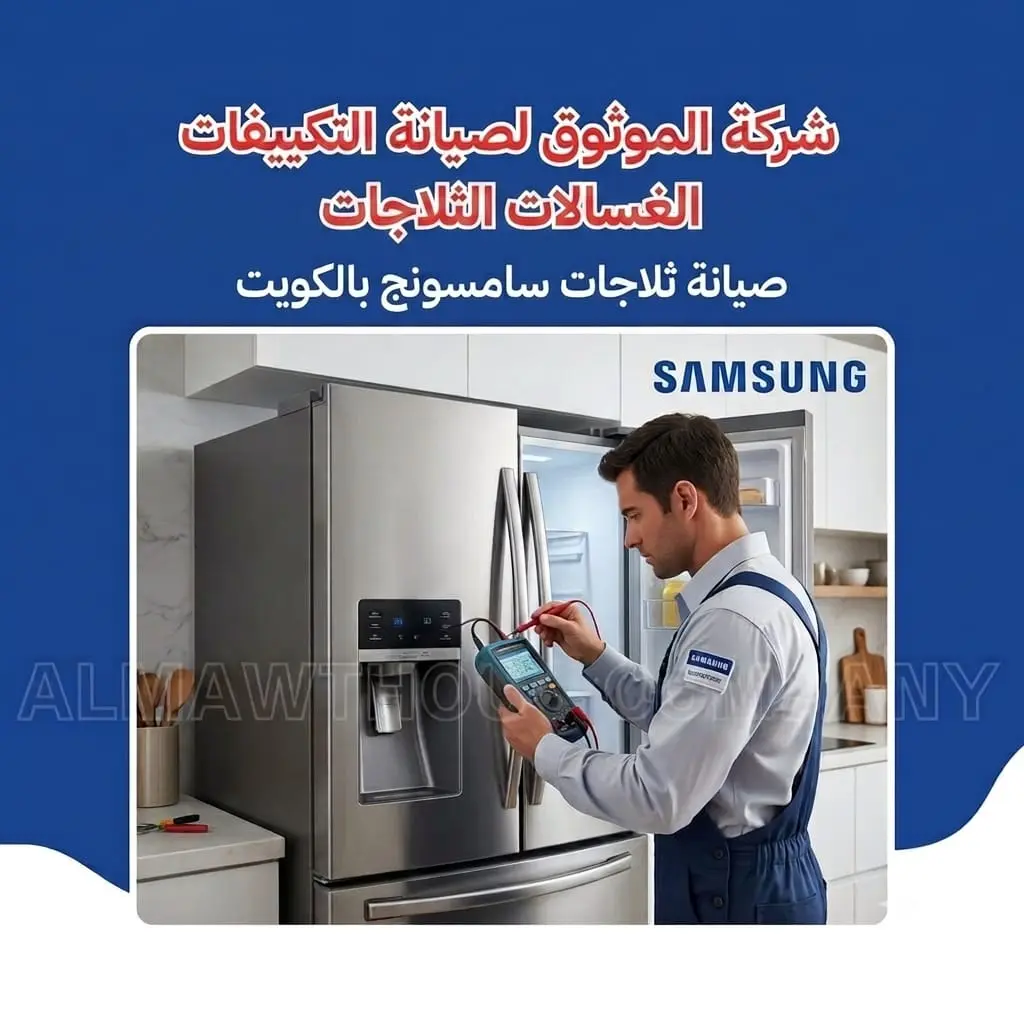
Proper Samsung double door refrigerator maintenance should begin by comparing the performance of the two compartments because this difference is one of the most important diagnostic clues in a double door refrigerator. If the freezer is freezing normally but the refrigerator compartment has become warm or noticeably less cold than usual, the situation should not immediately be treated as a complete refrigeration-system failure. Good freezer performance already shows that the appliance is capable of producing a meaningful level of cooling, so it makes more sense to inspect airflow between the two sections, the condition of the air vents, fan operation, and any abnormal ice buildup that may be restricting cold-air movement. If both the freezer and refrigerator are weak, the diagnostic direction changes and more attention should be given to the overall refrigeration system, compressor operation, and components responsible for temperature control. Making this distinction early can save considerable time and prevent an unnecessary compressor diagnosis based only on a general complaint.
Maintenance should also not begin only after the refrigerator completely stops cooling. Many problems develop gradually. Drinks may take longer to cool, frozen food may not become as hard as before, or the refrigerator may run for longer periods than it used to. Some users simply keep lowering the temperature setting every time performance drops, but that can hide the development of the problem rather than correct it. It is more useful to compare current performance with the way the refrigerator behaved under the same normal household conditions before the issue started.
The condition of both door gaskets should also be checked carefully because warm-air leakage through one door can increase the workload on the entire cooling system and make the compressor run for longer periods. If both doors seal properly, food is not blocking the airflow vents, and cooling still keeps weakening, professional inspection becomes much more reasonable. Good maintenance should include temperature measurement, airflow evaluation, and operating-pattern observation before any major repair is recommended.
-
Compare freezer and refrigerator cooling because a clear difference between the two helps determine whether the problem is related to airflow distribution or the refrigerator’s overall ability to produce cooling
-
Watch whether the weakness developed gradually or appeared suddenly because a slow decline in performance provides a different diagnostic direction from a sudden loss of cooling after normal operation
-
Make sure both door gaskets seal properly and no container or drawer prevents full closure because warm-air leakage through one door can increase the load on the whole appliance
-
Do not immediately change temperature settings or request refrigerant charging whenever cooling becomes weaker because temporary adjustments may hide the symptom while the actual cause continues to develop
Samsung Double Door Refrigerator Repair
When you need Samsung double door refrigerator repair, the work should be based on identifying which part of the cooling process has stopped performing normally because double door refrigerators depend on several connected stages. Weak cooling can result from a fan that is not distributing air correctly, ice buildup blocking a cold-air passage, a sensor providing an inaccurate reading, poor door sealing allowing warm air to enter, or an actual refrigeration-system fault. Treating every complaint as a “refrigerant problem” or “compressor problem” from the beginning can significantly increase cost without solving the real cause. The technician should first compare temperatures in both compartments, then evaluate airflow and operating behavior, and only move toward deeper refrigeration-system testing when the evidence actually supports it.
Professional repair also needs to focus on the conditions under which the symptom appears. For example, if the customer explains that the refrigerator cools normally early in the day but becomes weaker after many hours of operation, that is important information because it may indicate a fault that develops as the appliance continues running. If heavy frost repeatedly forms in one area and the refrigerator compartment later becomes warmer, the technician should determine why the frost keeps building instead of simply melting it away. Removing the frost may temporarily improve cooling, but if the underlying defrost or airflow issue remains, the same problem will return again.
From a cost perspective, it is not realistic to give one repair price based only on the sentence “the double door refrigerator is cooling weakly.” There is a major difference between clearing an airflow path, adjusting a door gasket, correcting a limited issue, and performing work on the sealed refrigeration system. Inspection should come first, followed by a clear explanation of the confirmed cause and repair option before work begins. If a part needs replacement, the technician should explain how it was tested and why it was identified as the source of the fault. After repair, both compartments should be monitored until cooling becomes stable again.
-
Ask for a diagnosis that clearly determines whether the refrigerator is failing to produce cold air or simply failing to distribute it between the two compartments
-
If ice keeps building up repeatedly do not treat manual defrosting as a permanent repair because recurring frost means the reason behind the buildup is still present
-
Ask why any replacement component is being recommended and what test confirmed the fault because repair cost should be connected to a proven problem rather than trial-and-error replacement
-
After repair monitor both freezer and refrigerator temperatures together because successful operation in only one compartment is not enough when the original complaint involved cooling balance between both sections
Samsung Double Door Refrigerator Has Weak Cooling
When a Samsung double door refrigerator has weak cooling, the condition needs to be evaluated carefully because “weak cooling” can mean several different levels of performance loss. There is a clear difference between a refrigerator that still preserves food but cools more slowly than before and one where food is becoming noticeably warm. One of the best starting points is identifying which compartment became weak first. If the freezer still works strongly while the refrigerator compartment is weak, an airflow-distribution problem becomes more likely than complete refrigeration failure. If the freezer itself is also struggling to freeze and the refrigerator compartment is warm, the problem is broader and should be investigated as an overall cooling-system issue rather than focusing only on air vents.
Food arrangement can also have a major impact, especially when containers are packed directly against air inlets or outlets. A double door refrigerator depends on airflow through specific internal paths, and when those paths are blocked, cold air may remain concentrated in one area instead of reaching another. However, if food is arranged normally and the problem continues, fan condition, temperature sensors, frost buildup, and compressor behavior all need to be considered. A technician should not simply touch the inner wall and say, “It feels cold.” The sensation of cold is not an accurate measurement, and an interior can feel much colder than room temperature while still being too warm for safe and effective food storage.
Another common mistake is setting the refrigerator to maximum cooling and waiting for improvement. If the problem involves airflow, a sensor, or another internal condition, lowering the temperature setting further may only cause longer compressor operation without correcting the weak compartment. Refrigerant charging should also never be treated as an automatic solution. If an actual refrigerant loss is confirmed, the reason for that loss should be identified because a sealed refrigeration system should not naturally lose refrigerant as part of normal use.
-
Identify which compartment first became weaker because a strong freezer with a warm refrigerator gives a completely different diagnostic clue from weak cooling in both compartments
-
Keep airflow vents clear and avoid packing food directly in front of them because restricted airflow can make cooling uneven even when the refrigerator is producing enough cold air
-
Do not rely only on touching the interior to judge cooling performance and use actual temperature measurement because small temperature differences can still matter for proper food storage
-
If cooling remains weak after checking door sealing food placement and settings the fan sensors frost condition and refrigeration system should be inspected instead of repeatedly lowering the temperature setting
Samsung Double Door Freezer Does Not Freeze
When a Samsung double door freezer does not freeze the way it normally should, the first thing to determine is whether freezing has completely stopped, become slower, or drops only at certain times. You may notice ice taking longer to form, frozen food beginning to soften, or the freezer reaching a cold temperature but failing to maintain it. These details matter because the problem may be connected to frequent door opening, a door gasket that does not seal properly, overcrowding that blocks airflow, a fan problem, sensor behavior, frost buildup, or a deeper refrigeration-system issue. If the refrigerator compartment is also weak, the list of possibilities becomes wider. If the refrigerator section remains normal while only the freezer is weak, airflow and temperature control in the freezer area need more focused inspection.
It is also important not to judge freezer performance immediately after placing a large amount of warm food inside or after a power interruption because the appliance needs time to recover and stabilize. However, if the same type and amount of food used to freeze normally and now takes much longer, that change deserves attention. Heavy frost in one location should also not be mistaken for “strong freezing.” In some cases, abnormal frost buildup can actually restrict airflow and reduce effective freezing across the rest of the compartment.
A specialist technician should measure freezer temperature, evaluate airflow, confirm fan operation, inspect for abnormal frost buildup, and observe whether the compressor is running for long periods without achieving the required temperature. If the evidence points toward the sealed refrigeration system, appropriate technical testing should confirm that conclusion before any charging or major repair is approved. The goal is not to keep waiting for food to freeze by chance. The goal is to determine why freezing performance changed and restore proper operation.
-
Observe whether the freezer has completely lost freezing ability or has simply become slower because the severity and pattern of decline help separate a temporary condition from a deeper fault
-
Make sure the freezer door closes tightly and that bags or containers are not preventing the gasket from sealing because continuous warm-air leakage can significantly reduce freezing performance
-
Do not treat heavy frost in one area as proof that the freezer is cooling strongly because abnormal ice buildup may block airflow and weaken freezing in the rest of the compartment
-
If the freezer remains weak under normal usage with proper door sealing temperature should be measured and the fan airflow and refrigeration system should be inspected rather than relying on random setting changes
Water Leaking From a Samsung Double Door Refrigerator
A water leak from a Samsung double door refrigerator needs to be diagnosed according to where the water appears and when it becomes visible because the source may be inside the compartment, underneath the refrigerator, or around the rear depending on the model and installation. Sometimes water collects below the internal drawers. In other cases, it appears on the floor or becomes noticeable after a defrost cycle. Each situation requires a different inspection path. Possible causes include a blocked defrost-water drain, a restriction somewhere in the drainage path, an issue with the drain pan, or a leak from an external water line if the specific model is connected to a water supply. For that reason, the first useful step is identifying the exact location of the water rather than simply wiping the floor and saying the refrigerator is leaking.
It is also important to distinguish between minor condensation caused by humid air and repeated actual leakage. If a door does not seal tightly or the gasket is weak, warm humid air can enter and create more condensation than normal. However, if water repeatedly collects in the same area or returns quickly after being cleaned, the source needs to be identified. Drying the area carefully and then observing where moisture begins can give the technician useful information.
Continuing to operate the refrigerator while ignoring repeated leakage may damage flooring, nearby cabinets, or allow moisture to reach places where it should not be. Even a small repeated leak should not be dismissed simply because the amount of water seems limited. A technician should inspect the defrost drainage path, drain pan, water connections if applicable, and the condition of door sealing according to the model. The real repair is fixing the source, not hiring the mop for a permanent full-time job beside the refrigerator.
-
Identify whether water collects inside the refrigerator appears underneath it or comes from the rear because each location directs inspection toward a different possible source
-
Notice whether the leak appears after several hours frequent door opening or defrost operation because the timing of the water gives an important clue about its origin
-
Do not simply dry the area if water repeatedly returns in the same location because recurrence means the actual cause has not been corrected
-
If water continuously reaches the floor arrange inspection early to protect the surrounding area and determine whether the issue involves drainage sealing or an external water connection
Samsung Double Door Refrigerator Fan Not Working
When a Samsung double door refrigerator fan is not working, the problem may appear as uneven cooling rather than complete refrigerator failure. The freezer may remain relatively cold while the refrigerator compartment becomes warm, or certain shelves may be noticeably colder than others. In many modern refrigerator designs, the fan plays an important role in moving and distributing cold air, so weak or stopped fan operation can significantly change cooling performance even while the compressor itself continues to run. However, not hearing the fan at the exact moment you open the door is not enough to prove that it has failed because some models stop the fan automatically when a door is opened or control it according to operating conditions.
Correct diagnosis depends on checking whether the fan responds under the conditions where it should be operating, whether there is rubbing noise, intermittent stopping, or ice physically restricting blade movement. Sometimes the user notices an increasing rubbing sound for several days and then the sound suddenly disappears, followed by weaker cooling. That can indicate a mechanical obstruction or frost buildup around the fan. In other situations, the problem may involve power supply, control, or the fan motor itself. For that reason, the fan should not be replaced simply because it seems quiet during one observation.
A technician should first evaluate airflow, then inspect the fan area, frost buildup, blade movement, and control conditions. If the fan genuinely does not operate, the next step is determining whether the cause is the motor itself, an electrical command problem, or a mechanical blockage. After repair, the important test is whether airflow and temperature distribution return to normal across the relevant compartments. The objective is not to hear a fan spinning. The objective is to restore proper movement of cold air.
-
Notice whether cooling became much weaker in one compartment than the other because that difference may indicate an airflow problem connected to the fan or air passage
-
Do not treat silence from the fan while the door is open as direct proof that it is defective because some models automatically stop fan operation under certain conditions
-
If weak cooling was preceded by rubbing buzzing or scraping noise from the fan area mention that history because changes in sound can help identify the cause of restricted or stopped movement
-
After fan repair confirm that airflow and temperature distribution return to normal instead of considering the repair successful only because the fan can now be heard
Unusual Noise From a Samsung Double Door Refrigerator
When you hear an unusual noise from a Samsung double door refrigerator, the type of sound and the exact time it occurs are extremely important because refrigerators naturally make several normal operating noises related to the compressor, fans, expansion of materials, and refrigerant movement. Not every click means the appliance is about to collapse. However, a clearly new sound that was not present before, a noise that becomes louder over time, or a sound that appears together with weak cooling deserves attention. Internal rubbing may be associated with a fan or ice obstructing its movement. Repeated clicking around compressor startup requires a different diagnostic direction, while vibration or rattling may simply come from the refrigerator cabinet touching a wall or nearby object.
Timing matters during diagnosis. If the sound appears when a door closes, when the compressor starts, during certain operating periods, or only after several hours, explain that clearly. It is also helpful to identify whether the sound seems to come from inside the freezer, behind the appliance, or underneath it. Narrowing the location saves the technician from opening everything like someone searching for hidden treasure. If the noise involves the fan, it may change when a door is opened depending on the model, and that observation can also be useful.
Ignoring a developing sound can sometimes allow a smaller issue to become a complete component failure. A fan rubbing against ice may continue operating for a while and then eventually stop. A loose component causing vibration may also worsen. Early inspection is therefore often smarter than waiting for the sound to disappear. And the disappearance of a sound is not always good news because sometimes the part that was complaining has simply stopped working completely.
-
Try to identify whether the sound comes from inside the freezer behind the refrigerator or underneath it because the location directs the technician toward different systems
-
Record whether the sound appears when the compressor starts the fan operates or a door closes because timing often provides more diagnostic value than describing the sound alone
-
If the noise becomes louder over time or appears together with weaker cooling do not ignore it simply because the refrigerator still runs because continued use may allow the fault to develop further
-
If the sound seems like external vibration check that the refrigerator is not touching the wall or furniture before assuming there is an internal fault because some noises have very simple causes
Samsung Double Door Refrigerator Sensor Inspection
A Samsung double door refrigerator sensor inspection becomes important when cooling behavior does not make sense compared with the selected temperature settings. The refrigerator may run for unusually long periods even though it is already cold, or it may stop too early while the actual temperature inside remains higher than required. Temperature sensors provide information to the control system, so an inaccurate reading can cause the refrigerator to start or stop cooling at the wrong time. However, the sensor cannot be blamed from the symptom alone because a poorly sealed door, weak fan, or actual refrigeration problem can produce very similar behavior.
Technical inspection should begin by comparing the real measured temperature inside the compartment with the way the appliance is operating, then evaluating sensor response according to the model. If the refrigerator compartment is physically warm but the control system behaves as though the target temperature has already been reached, that is a good reason to test the relevant sensor or associated circuit. On the other hand, if the refrigerator is already very cold but the compressor keeps running for unusually long periods, the technician should determine why the system continues calling for cooling before concluding that the sensor is faulty.
Some double door refrigerators also contain multiple sensors connected to different compartments and functions, so saying “the sensor is bad” is too general. The technician needs to know which reading is associated with the actual symptom. After repair or replacement of any sensor-related component, the refrigerator should be monitored for temperature stability and normal compressor cycling. Successful sensor repair is demonstrated by the behavior of the appliance afterward, not by the fact that a new part has been installed.
-
Compare actual measured temperature with refrigerator operating behavior because illogical starting or stopping compared with the real temperature gives a stronger reason to inspect a sensor than weak cooling alone
-
Do not treat every temperature-control problem as proof of a faulty sensor because door sealing fan performance and refrigeration-system faults can create very similar symptoms
-
If the problem affects only one compartment determine which sensor or control element is associated with that area instead of treating all refrigerator sensors as one possible cause
-
After sensor-related repair monitor temperature stability and compressor cycling because the real proof of success is corrected refrigerator behavior rather than simply replacing the component
Air Distribution Problem in a Samsung Double Door Refrigerator
An air distribution problem in a Samsung double door refrigerator can easily confuse the user because the appliance may still be producing enough cold air while that air does not reach every section equally. The freezer may be extremely cold or one part of the refrigerator may feel cold while other shelves remain noticeably warmer. In this situation, the problem is not simply “the refrigerator does not cool.” The more accurate description is that the cooling exists but is not reaching the right areas. Causes can include food blocking air vents, frost buildup inside an air channel, weak fan operation, or an air-control mechanism that does not move correctly depending on the model design.
The first step is reviewing how food is arranged and making sure containers are not pressed directly against air vents. Some users try to use every available centimeter of storage space until the food practically builds a wall in front of the cold-air outlet, and then everyone wonders why the far shelf is warm. If cooling remains uneven after the contents are rearranged, the technician should inspect actual airflow, frost condition, fan performance, and any components responsible for regulating cold-air distribution.
This particular problem is best diagnosed while the symptom is still present whenever possible. If the refrigerator is repeatedly unplugged for long periods before the technician arrives, accumulated ice may melt and temporarily hide the problem. If cooling improves after the appliance has been turned off for a long time and then gradually becomes weak again after several days, tell the technician clearly because that pattern is especially useful. It can point toward a recurring frost or airflow condition rather than a primary loss of refrigeration capacity.
-
Keep space clear around internal air vents and avoid packing food directly against them because blocked airflow can create major temperature differences even while the refrigerator is producing enough cooling
-
If the freezer is performing strongly but the refrigerator compartment remains weak focus first on the air-transfer path before assuming complete refrigeration-system failure
-
Tell the technician if cooling improves after the appliance is left off for a long period and then gradually weakens again because this pattern may indicate frost buildup or another developing airflow problem
-
Ask for temperature and airflow checks at more than one point inside the appliance because uneven distribution may not be detected accurately if only one location is tested
Samsung Double Door Refrigerator Maintenance Technician
Choosing a Samsung double door refrigerator maintenance technician should be based on their ability to understand the relationship between both compartments rather than simply having general experience replacing refrigerator parts. A double door refrigerator requires someone who can distinguish between a problem producing cold air and a problem distributing that cold air. The technician should know when to focus on the freezer, when to inspect the fan, when to investigate a sensor or airflow path, and when the evidence actually points toward the sealed refrigeration system. Before booking, provide a detailed description: does the freezer still freeze while the refrigerator is weak? Are both compartments weak? Is there water leakage, unusual noise, or frost? Does the problem remain constant or appear only after several hours? Each detail helps the technician prepare for a more accurate visit.
From a service-quality perspective, a specialist should not walk into the home and announce a final diagnosis after one minute. They should measure, compare, ask about the history of the problem, and then explain the conclusion. If the fan is identified as the cause, ask how that was confirmed. If the technician suspects a sensor, ask what reading or operating behavior supports that diagnosis. If the conclusion involves the sealed refrigeration system or compressor, simpler causes should already have been logically excluded. That is not unnecessary suspicion. It is normal for any service based on diagnosis, especially when the repair may become expensive.
You should also know the inspection fee and repair pricing method before major work begins. If the refrigerator is older and the fault is expensive, ask for a reasonable comparison between repair cost and the overall condition of the appliance instead of entering an endless cycle of spending. After the repair, agree on what to expect regarding temperature stabilization and how performance should be checked. Refrigerators do not finish a repair and announce that they are now perfect. Temperature and stable operation need to prove it.
-
Prepare a clear description of the performance difference between the freezer and refrigerator before the visit because this is one of the most useful starting points for diagnosing a double door refrigerator
-
Choose a technician who explains the sequence of inspection and the reason behind the diagnosis rather than replacing a component first and then testing whether it happened to solve the problem
-
Ask about the inspection and repair costs before approving major work especially if a fan sensor or sealed-system component is being recommended so the decision remains clear
-
After repair monitor both compartment temperatures for a suitable period and make sure cooling balance returns to normal because true success means stable performance rather than simply hearing the appliance operate
Conclusion
Samsung double door refrigerator maintenance requires a clear understanding of how cooling is distributed between the freezer and refrigerator compartments because weakness in one section does not automatically mean the entire refrigeration system has failed. The cause may be an airflow path, fan, sensor, frost buildup, door gasket, or another control issue, while in other cases the fault may be deeper and connected to the sealed refrigeration system. That is why the best diagnosis begins by comparing both compartments, measuring actual temperature, and observing the timing of the problem, unusual sounds, and water leakage before any major repair decision is made.
If you need Samsung double door refrigerator maintenance, choose a technician who understands this design properly, confirms the cause with evidence, and explains repair cost before work begins. If cooling continues to weaken, the freezer no longer freezes, water repeatedly leaks, a new sound develops, or there is a large difference between the two compartments, do not keep experimenting for too long. Early inspection can prevent the problem from becoming larger and may save you from paying for additional repairs that could have been avoided.
Frequently Asked Questions
Why is the freezer cold but the refrigerator compartment warm in a Samsung double door refrigerator?
This condition often directs the inspection toward airflow distribution between the two compartments, including blocked vents, frost buildup, a fan issue, or a component responsible for controlling air movement. Strong freezing in the freezer shows that the appliance is producing cooling, so airflow to the refrigerator compartment should be checked before blaming the compressor.
Does weak freezer performance mean the refrigerator needs refrigerant?
Not necessarily. Weak freezing can result from poor door sealing, reduced airflow, fan problems, frost buildup, or another fault. If a refrigeration-system problem is suspected, the technician should confirm it with proper testing before any refrigerant charging is performed.
What causes water leakage from a Samsung double door refrigerator?
The source may be related to the defrost-water drainage path, a blockage, excess condensation caused by warm-air entry, or an external water connection on certain models. Identifying where the water appears and when the leak occurs makes it much easier to determine the correct source.
Does a loud refrigerator fan mean it must be replaced?
Not always. The sound may come from fan blades rubbing against ice, an object near the fan, or a problem with the fan itself. The cause should be inspected before replacement, especially when the noise appears only under certain operating conditions.
When should I call a technician for a Samsung double door refrigerator?
If cooling remains weak after checking door sealing, settings, and food arrangement, or if the freezer stops freezing, repeated water leakage appears, a new abnormal sound develops, or there is a clear performance difference between the two compartments, a specialist visit is usually better than continuing with random adjustments.