Washing Machine Bearing Replacement in Kuwait: Signs & Cost
Not every loud sound during spinning means the bearing has failed. A washing machine can become noisy because of an unbalanced load, a trapped object, poor appliance stability, or another movement-related component. For this reason, washing machine bearing replacement in Kuwait should only be considered after inspection confirms that the noise or abnormal movement really comes from the bearing before the tub is dismantled or a replacement part is ordered. Stronger warning signs include noise that changes as drum speed increases, unusual drum movement, or signs of leakage around the bearing area. In this article, we explain the signs of bearing damage, the differences between common noises, how replacement cost is determined, and when the repair may be suitable for in-home service versus when more extensive work is required.
Washing Machine Bearing Replacement in Kuwait
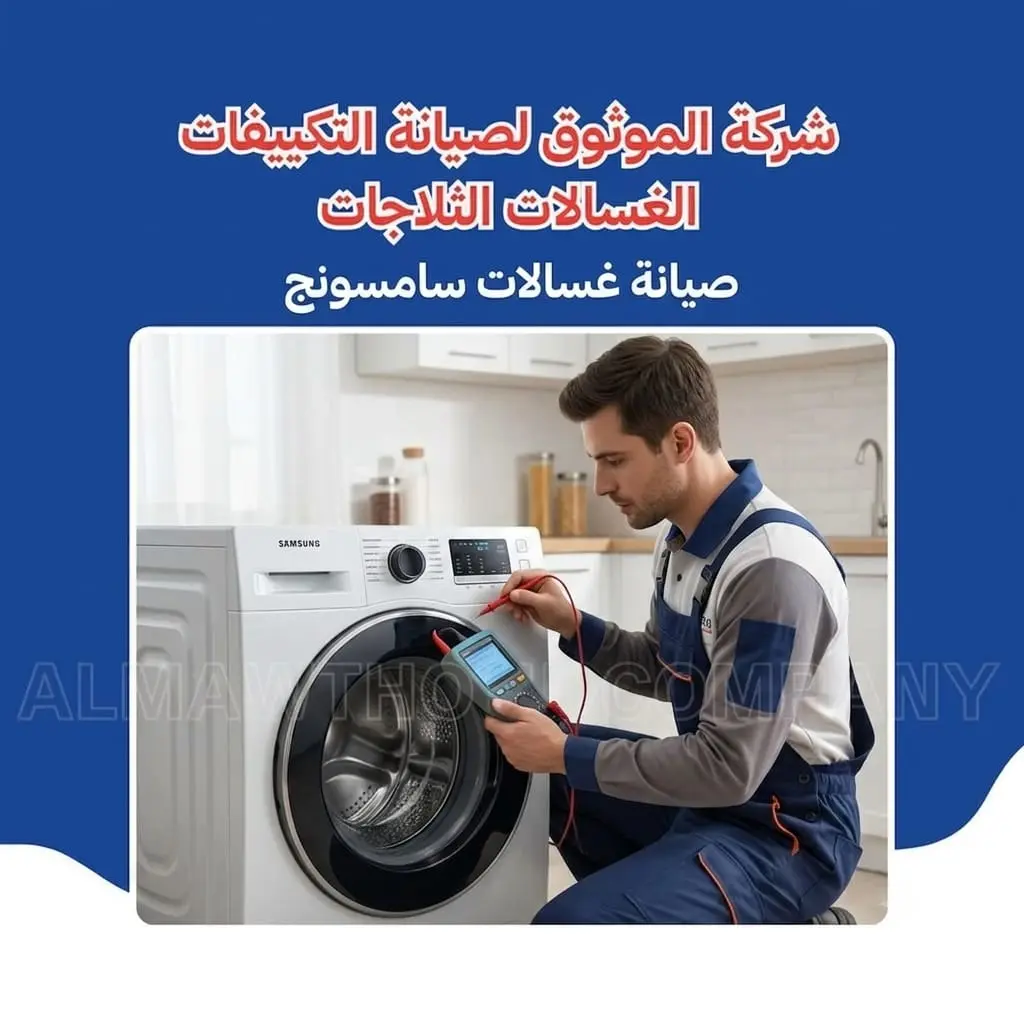
The decision to proceed with washing machine bearing replacement in Kuwait should not be based only on the fact that the washer becomes loud during spinning. The bearing is connected to drum movement and supports rotation, so damage can change the sound of the washer and the way the drum moves, but other faults can produce very similar symptoms.
A structured inspection begins by identifying when the noise appears. If the sound only occurs with a large load and disappears with a medium load, balance and appliance stability should be checked before the bearing is blamed. If the noise increases gradually as drum speed rises and continues even with a suitable load, that is a stronger reason to inspect the drum rotation system more carefully.
The drum movement can also be evaluated while the appliance is stopped using the safe and appropriate method for the washer type. Excessive movement, rubbing, or roughness during rotation may give the technician another reason to investigate the bearing area, but even this sign alone is not enough to confirm that the bearing is definitely the failed component.
The situation becomes clearer when there is internal leakage or evidence of moisture around the shaft area because a damaged seal in some designs can allow water to reach the bearing and affect it over time. This is why replacing the bearing without understanding what caused the damage can lead to the problem returning if the original cause is left untreated.
From a cost perspective, bearing work is different from simpler repairs because reaching the component may require much more dismantling depending on the washer design. Diagnosis and the exact model number therefore matter before pricing.
• Spin noise alone is not enough to diagnose a bearing because appliance stability load conditions and other movement components can create similar sounds
• Noise that increases consistently with drum speed provides stronger evidence than noise that appears only with an unbalanced load
• Leakage around the shaft area should be investigated together with the bearing so a damaged component is not replaced while the cause of the damage remains
• Identifying the washer design and model number before pricing is important because dismantling requirements and access to the bearing differ between appliances
Washing Machine Bearing Noise
Describing washing machine bearing noise accurately can help diagnosis because the type of sound and the stage where it appears are more useful than simply saying the washer is loud. A damaged bearing may be associated with a rough rumbling or growling sound that becomes stronger as drum speed increases, but the sound description alone should never be treated as final proof.
If the noise appears only during spinning, the first things to eliminate are an unbalanced load and poor appliance stability. One large item concentrated on one side can make the drum shake and strike in a way that creates strong noise which disappears when the load is redistributed.
If the sound continues even with a light load and becomes more noticeable as speed increases, inspection should move toward the drum rotation system. The technician will also pay attention to whether the sound repeats with each drum revolution, whether it is constant rubbing, or whether it is intermittent clicking because each sound suggests a different inspection direction.
Sometimes a small object can become trapped between parts of the tub or another movement or suspension component may be the source of the noise. This is why identifying the bearing from sound alone can lead to unnecessary replacement.
A useful comparison is to listen during the same program and similar load that previously operated normally. If the noise developed gradually and continued to become stronger with use, that is useful diagnostic information.
If the sound changes from mild roughness into strong rubbing or the drum begins moving abnormally, it is better to stop using the washer until inspection rather than continuing high-speed spin cycles and hoping the problem disappears.
• A sound that increases steadily with drum speed requires a different inspection approach from knocking that only appears because the load is concentrated on one side
• Clicking rubbing and rumbling are not the same type of sound so describing the noise accurately helps the technician choose the correct inspection direction
• Noise that continues with a light load and good appliance stability makes inspection of the drum rotation system more important than repeated load adjustment
• Noise that develops into strong rubbing or abnormal drum movement is a reason to stop the appliance rather than continuing to spin and waiting for the problem to disappear
Signs of Washing Machine Bearing Damage
Signs of washing machine bearing damage usually appear as a combination of changes rather than one single symptom that confirms the diagnosis. The most noticeable sign is often a change in drum-rotation noise, especially when the sound becomes stronger as speed increases, but a technician should not rely on that alone.
Another sign worth checking is greater-than-normal drum movement or a rougher feeling during rotation. This still needs to be evaluated according to the washer design because the amount of normal movement is not identical on every machine.
If the noise is accompanied by leakage or moisture from an internal area, there may be a problem involving the seal or the path that allows water to reach the bearing on some washer designs. In that situation, fixing the leakage becomes part of the repair because changing the bearing alone may not be enough.
The user may also notice that the sound started quietly and gradually became louder over several weeks or that the washer began vibrating differently even with a properly distributed load. A gradual change is useful diagnostically because it is different from a sudden noise caused by a foreign object or one unusual load.
Not every vibration is a sign of bearing damage. An unstable floor, incorrectly adjusted feet, or a heavy item can create severe vibration even when the bearing is still fine.
If several signs appear together, such as constant rough noise, abnormal drum movement, and leakage or moisture, inspection becomes more urgent before continued use causes wider damage.
• Several related warning signs provide a stronger diagnostic picture than relying on one noise regardless of how noticeable it is
• Abnormal drum movement should be evaluated according to washer design because it is not independent proof of bearing damage
• Moisture or leakage together with bearing symptoms makes inspection of the seal and water path an essential part of the repair
• Gradual increases in noise and vibration with normal loads deserve inspection before the problem develops into a more extensive repair
Washing Machine Bearing Replacement Cost
Searching for washing machine bearing replacement cost before booking is understandable, but the price cannot be one fixed amount for every washing machine. The cost depends on appliance design, washer type, how the bearing is accessed, and whether the work requires major tub dismantling or repairs to other parts affected by the damage.
The first factor is the type of washing machine. A front-load washer differs from a top-load washer in tub construction, shaft design, and access to the bearing. Even within the same washer category, one model can require very different work from another.
The second factor is the condition of the surrounding parts. Bearing-only damage is different from a situation where leakage has also damaged the seal, shaft, or nearby components. This is why the final price cannot be determined from the noise alone.
The third factor is the replacement parts. Before approving the repair, ask which parts are included and whether the price covers only the bearing or also the seal and any additional component that inspection confirms needs replacement.
It is also important to ask whether dismantling, reassembly, inspection, and testing are included in the quoted price because bearing work often depends heavily on labor time and the appliance design.
One mistake is comparing two offers only by the final amount when one includes parts, labor, and testing while the other is only the price of a component. A fair comparison should be based on the same service scope.
If a technician provides a final price before knowing the washer type, model number, or even confirming the source of the noise, it is reasonable to ask what that price was based on.
• Washer type and tub design directly affect the amount of work which means bearing replacement cost cannot be identical across all appliances
• Damage to the seal or nearby parts can change the repair scope which is why the final price should follow inspection
• Asking which parts are included in the quoted amount prevents confusion between the bearing price alone and the cost of the complete repair
• Maintenance offers should be compared according to included labor parts and testing rather than only choosing the lowest number
Front-Load Washing Machine Bearing Replacement
Front-load washing machine bearing replacement often requires more extensive work than a simple repair because the bearing is connected to the drum, outer tub, and shaft depending on the appliance design. It should therefore not be treated as a quick job simply because the noise seems obvious.
Before dismantling, the technician should confirm that the problem actually comes from the bearing system. Load imbalance, poor leveling, trapped objects, and noise from other components should be ruled out first. Once that is done, the technician can identify the tub design and the correct access method.
In front-load washers, the presence of the door gasket, outer tub, and inner drum means access differs significantly from one model to another. Attempting to dismantle the appliance without understanding the design can create additional damage or cause leakage after reassembly.
The seal is especially important because it helps protect the bearing area from water according to the washer design. If the seal is damaged and allowed water to reach the bearing, fitting a new bearing without correcting the seal would not be a complete repair.
After the component is replaced, drum rotation should be tested and checked for unusual sound or leakage. The spin cycle should then be tested appropriately to confirm that the original problem has been resolved.
If the shaft or bearing mounting area has additional damage, that should be explained before further work continues because the repair scope has changed.
• Front-load washers require the tub design to be identified before work begins because bearing access differs between models
• Inspecting the seal together with the bearing is important when there is evidence of leakage because protecting the rotation area helps prevent the problem from returning
• Testing drum rotation and leakage after reassembly is essential before considering the repair complete
• Damage to the shaft or bearing mounting area changes the repair scope and should be explained before additional work is performed
Top-Load Washing Machine Bearing Replacement
Top-load washing machine bearing replacement differs from front-load repair because the tub, drive system, and shaft are arranged differently. The same repair steps or labor estimate should therefore not be assumed for both washer types.
Noise in a top-load washer also requires diagnosis before the bearing is blamed because load imbalance, movement-system parts, or the tub itself can create sounds during spinning.
The technician should first determine whether the noise is connected to rotation speed, whether it continues with a medium load, and whether the tub shows abnormal movement. The appliance design can then be checked to identify which part is responsible.
If there is leakage around the shaft area, the seal or water-blocking component should also be evaluated according to the washer design because moisture can contribute to bearing damage.
Some top-load models provide completely different access to the bearing from front-load washers, making the model number important before the price or amount of work can be estimated.
Attempting to dismantle the tub or movement system at home without suitable experience is not recommended because incorrect reassembly can cause imbalance, leakage, or a new noise after the washer is put back together.
After repair, the washer should be tested with a suitable load to make sure the tub reaches spinning without abnormal noise or unexpected vibration.
• The different design of a top-load washer means bearing diagnosis and replacement are not the same as on a front-load model
• Eliminating load and stability problems before dismantling helps prevent bearing replacement when the real source of the noise is related to use or installation
• Moisture near the shaft requires inspection of the water-sealing component together with the bearing so the repair addresses the full problem
• Testing the spin cycle after reassembly confirms whether movement has returned to normal and reveals any remaining noise or vibration that needs review
Washing Machine Makes a Clicking Noise During Spin
When a washing machine makes a clicking noise during spin, the bearing should not automatically be the first suspect. Clicking is different from continuous rumbling or roughness that becomes stronger as drum speed rises.
The first thing to check is the load. Metal buttons, zippers, or an object left inside a pocket can repeatedly strike the drum, especially as speed increases. One particular item of clothing can also create a sound that disappears when a different load is used.
If the clicking continues when the washer is empty or when a light load is used, note whether the sound occurs with every drum revolution or appears randomly. This difference can direct the technician toward very different areas.
A trapped object or a movement or suspension component can also create clicking. Replacing the bearing simply because a clicking sound is present is therefore not an accurate repair decision.
If the clicking is accompanied by continuous roughness, abnormal drum movement, or new vibration, then the overall picture becomes more serious and the entire movement system should be inspected.
It is important not to continue high-speed spinning if the sound is strong and metallic or is rapidly becoming worse because a trapped object or rubbing component can cause additional damage.
• Intermittent clicking is different from rough bearing-type noise so identifying the sound correctly helps prevent inaccurate diagnosis
• Emptying pockets and checking metal parts on clothing can eliminate a simple source before repair is considered
• Clicking that continues with a light load or without an obvious cause requires inspection of the sound source instead of replacing the bearing based on assumption
• Clicking combined with rough movement or new vibration means the drum system needs broader evaluation
Washing Machine Bearing Seal Replacement
Washing machine bearing seal replacement is important because the seal protects the bearing area from water on many washer designs. If the seal loses its ability to keep water out, moisture can reach the bearing and accelerate damage.
For this reason, when a bearing has failed, the seal should also be inspected instead of replacing only the bearing and leaving a component that may have caused the problem. If the seal shows obvious damage or evidence of leakage, it should be addressed as part of the repair according to the washer design.
The shaft area that works with the seal should also be inspected. Installing a new seal on a damaged surface may not provide the expected protection, which is why diagnosis should not focus on the seal alone.
Using a seal that is not suitable for the model or installing it incorrectly can also lead to leakage returning after a short period.
Leakage around the bearing is more than a cleaning issue. Continued moisture near movement components can expand the damage, so inspection should not be delayed when noise appears together with evidence of water or dampness.
After installation, the washer should be checked for leakage and the drum and spin operation should be tested.
• Inspecting the seal together with the bearing helps correct the reason moisture reached the bearing instead of replacing only the damaged component
• The shaft surface matters because a new seal needs a suitable contact area to provide proper water protection
• Using the correct part for the model and installing it properly reduces the chance of leakage returning after repair
• Bearing noise together with water or moisture deserves quicker inspection because the problem may involve more than one component
Can a Washing Machine Bearing Be Replaced at Home?
The question can a washing machine bearing be replaced at home has two different answers depending on what is meant. If the question is whether a technician can carry out the work at the customer’s home, that depends on the washer design, available working space, required tools, and the complexity of dismantling. If the question is whether the user should replace the bearing personally, this is not a simple maintenance job that is generally suitable without appropriate experience.
Bearing replacement may require dismantling large sections of the washer, accessing the tub and shaft, then correctly reassembling the appliance and restoring sealing and alignment. A mistake during reassembly can lead to leakage, imbalance, or a new noise.
Some washer designs make tub access especially complex or require specific equipment and tools. In those situations, the technician may decide that part of the work needs a more suitable workshop environment depending on the appliance.
Before booking, ask whether the full repair can be completed at home or whether only diagnosis is carried out on-site before the next step is decided. It should not be assumed that every model can be repaired in exactly the same way.
If the service is performed in the home, there should be sufficient working space, the floor should be protected, and removed parts and screws should be handled in an organized way. The responsibility for dismantling and reassembly should remain with the technician.
Most importantly, the washing machine should be tested after reassembly before the service ends to confirm proper movement and the absence of leakage.
• Bearing replacement is not a simple user maintenance task because it may involve dismantling the tub and other major sections of the washing machine
• Whether the full repair can be completed at home depends on model design tools and working space rather than the fault name alone
• Incorrect reassembly can create leakage vibration or new noise which is why dismantling and reassembly experience matters
• Testing the washer after installation is necessary whether the repair is performed at home or in a workshop to confirm that the work was successful
Booking a Washing Machine Bearing Technician
Before booking a washing machine bearing technician, it is better not to begin by saying you definitely need the bearing replaced as though the diagnosis is already confirmed. Instead, describe the sound or movement and explain when it appears because the technician should confirm the cause first.
Prepare the washer type and model number if visible and explain whether it is front-load or top-load. Mention whether the noise appears only during spinning or also during washing, whether it becomes stronger with speed, and whether there is any leakage or abnormal drum movement.
Ask whether the visit fee covers diagnosis only or whether it is included in the repair if you approve the work. Also ask what the bearing replacement price includes and whether the seal or additional parts are charged separately if inspection shows they also need replacement.
If the technician identifies damage to the shaft or another part, ask for the reason before expanding the repair scope. The goal is for every replaced part to be supported by a clear inspection finding.
Also ask whether the complete repair can be performed at home or whether the washer design requires a different arrangement.
After repair, the drum should be rotated and the spin cycle tested while checking for leakage or new noise. If a warranty is offered, ask how long it lasts and exactly what it covers rather than assuming it applies to any future fault.
• Describing the sound and when it appears before the visit helps the technician diagnose the source instead of treating bearing replacement as a predetermined decision
• The model number and washer type are important for identifying the tub design and access method before the repair scope is estimated
• Asking which parts are included in the quoted price clarifies whether the offer covers only the bearing or the complete repair with the seal when needed
• Testing rotation spinning and leakage after repair is the most important step for confirming that the washing machine has returned to normal operation
Conclusion
The decision to proceed with washing machine bearing replacement in Kuwait should be based on an inspection that confirms the noise or abnormal movement is actually coming from the bearing rather than the load, appliance stability, a trapped object, or another movement component. Stronger warning signs include noise that increases with drum speed, rough movement, abnormal drum play, and sometimes leakage related to the seal. The final price depends on the washer type, tub design, the condition of the bearing, seal, and shaft, and the amount of dismantling required. Before booking, prepare the model number, describe the sound and when it appears, and ask exactly what the price includes. After repair, the drum and spin cycle should be tested and checked for leakage because successful work is not simply about making the noise disappear for the first minute but about restoring normal washer movement under actual operating conditions.
Frequently Asked Questions
How do I know if my washing machine bearing is damaged?
Noise that becomes stronger with drum speed together with roughness or abnormal drum movement can be important signs, but final diagnosis still requires inspection because other faults can produce similar symptoms.
What does a damaged washing machine bearing sound like?
It may sound like rough rumbling or growling that becomes stronger as the drum spins faster, but the sound alone is not enough to confirm bearing failure.
Does every noise during spinning mean the bearing is faulty?
No. Load imbalance, poor appliance stability, trapped objects, or another movement-related component can create strong noise during spinning.
How much does washing machine bearing replacement cost?
The cost depends on the washer type, model number, bearing access method, condition of the seal and shaft, and the amount of work required, so evaluation is needed before a final price can be confirmed.
Is front-load bearing replacement different from top-load bearing replacement?
Yes. The tub, shaft, drive system, and access method can be very different between the two washer types.
Do I always need to replace the seal with the bearing?
Not automatically in every situation, but the seal should be inspected and if it is damaged or allowed water to reach the bearing area, it should be included in the repair.
What causes a washing machine to make a clicking sound during spin?
The sound may come from metal parts on clothing, a trapped object, a movement component, or another source, so clicking alone does not confirm bearing damage.
Can I keep using the washing machine if the bearing noise is still mild?
If the noise is new, becoming stronger, or accompanied by abnormal movement, it is better to have the washer inspected rather than continuing until the damage becomes more extensive.
Can a damaged bearing cause washing machine vibration?
It can be connected to abnormal movement, but vibration has many possible causes including load conditions and appliance stability, so the bearing should not be diagnosed from vibration alone.
Can water leakage damage the bearing?
On some washer designs, a damaged seal can allow moisture to reach the bearing area, which is why leakage should be checked when bearing problems are suspected.
Can a washing machine bearing be replaced at home?
A technician may be able to carry out the repair at home on some models if the tools, space, and washer design allow it, but bearing replacement is not generally a simple user maintenance task.
Does bearing replacement require completely dismantling the washing machine?
The amount of dismantling depends on the model design and may require access to the tub and other major sections, so there is no single procedure for every washer.
What should I prepare before booking a bearing replacement technician?
Prepare the model number, washer type, and a clear description of the noise. Explain whether it appears during washing or spinning and whether there is leakage or abnormal drum movement.
When should I stop using the washing machine immediately?
Stop using the appliance if the noise becomes strong rubbing, the drum moves abnormally, leakage appears, or electrical tripping occurs until the washer has been inspected.