Haier AC Technician: Diagnose Weak Cooling Before Repair
When a Haier air conditioner starts losing cooling performance, the cause is not always low refrigerant, and every unusual sound does not automatically mean the compressor is damaged. Sometimes the problem starts with a dirty filter, restricted airflow, or an outdoor unit that cannot release heat efficiently. In other cases, there may actually be a refrigerant leak or another technical fault that requires professional inspection. That is why the role of a Haier AC technician in Kuwait should not begin with refrigerant charging or immediate part replacement. It should begin with measuring performance and identifying where the decline started. In this article, we explain how a Haier air conditioner should be inspected at home, which signs justify a technician visit, and how to distinguish a cleaning issue from a deeper cooling fault before paying for unnecessary repair work.
Haier AC Technician in Kuwait

Choosing a Haier AC technician in Kuwait becomes especially important when the air conditioner continues running but the result inside the room is no longer what it used to be. Many people notice that air is still coming from the indoor unit and immediately assume the fan is working correctly and the problem must therefore be low refrigerant. However, strong airflow by itself is not proof that the cooling cycle is performing efficiently. A good technician begins with a simple question: Did this same air conditioner cool the same room better before? If the answer is yes, the next step is identifying exactly what changed. Is the air itself less cold? Has airflow become weaker? Does the unit run for a long time without reaching the selected temperature? Does the problem appear only during very hot afternoon hours or remain present throughout the day?
These details matter because weak cooling can follow several different diagnostic paths. If airflow is weak, the technician should begin by checking the filters, indoor heat exchanger, blower condition, and airflow path. If airflow is strong but the air is no longer cold enough, more attention should be given to the refrigeration cycle, outdoor-unit performance, and refrigerant condition where appropriate. If the air conditioner cools properly for a while and then becomes weaker, the technician needs to observe what changes over time. The cause may involve outdoor-unit temperature, compressor behavior, icing, or another fault that only appears after extended operation. This turns a broad complaint such as “the AC does not cool” into a condition that can actually be tested.
One important sign of a trustworthy technician is that they do not immediately say, “It needs refrigerant,” without proving why. Refrigerant inside an air-conditioning system is not something that should simply disappear as part of normal seasonal use. If there is a genuine shortage, there should be a reason behind it, such as a leak or loss caused during previous work. In the same way, the compressor should not be blamed based only on sound or outdoor-unit temperature without proper testing.
From a cost perspective, it is better to know the inspection fee first. Cleaning, leak repair, refrigerant correction, or component repair should only be priced after the actual cause has been identified. Organized diagnosis helps you pay for the real problem instead of paying for a sequence of experiments.
-
Choose a technician who begins by measuring cooling performance and observing airflow instead of automatically assuming low refrigerant because weak cooling can come from several different functions
-
Explain whether the problem happens all day or mainly during extreme afternoon heat because the timing helps distinguish normal operating limits from a genuine fault
-
Do not consider airflow from the indoor unit proof that the refrigeration cycle is healthy because the fan can work normally while cooling efficiency remains low
-
Ask which test confirmed the need for repair because a good technician should connect every recommendation to a clear measurement or observation rather than a quick assumption
Haier AC Maintenance at Home
The advantage of Haier AC maintenance at home is that the technician can inspect the air conditioner while it is operating in the same room and under the same conditions where the customer experiences the problem. This is important because cooling performance depends on the room as well as the appliance itself. Room size, open doors, direct sunlight, filter cleanliness, airflow around the indoor unit, and the position of the outdoor unit can all affect how cooling feels. If the system is judged without considering its real operating environment, an important part of the diagnosis may be missed.
Good home maintenance begins with observation before dismantling. The technician should check the selected temperature, operating mode, and fan speed, then review airflow, filter condition, and the visible parts of the unit. If there is heavy buildup on the filters or indoor heat exchanger, less air can pass through the unit, making the room cool much more slowly even when the refrigeration cycle itself is still operating. The outdoor unit also needs enough ventilation to release heat effectively, which becomes especially important during Kuwait’s very high summer temperatures.
After the visible inspection, the technician should run the air conditioner and observe its behavior. Does the air start cold and then become weaker? Is the outdoor unit operating normally? Is water leaking from the indoor unit? Is there ice forming on any part of the system? Has a new or unusual sound appeared? Every sign helps determine the next step. Maintenance should not automatically mean cleaning, just as weak cooling should not automatically mean repair. In some cases, proper cleaning and restored airflow bring performance back. In other situations, the inspection reveals a deeper refrigeration problem.
A good home service should end with a before-and-after comparison. The technician should not simply clean the unit and hand over a bill. Airflow, cooling response, and overall system behavior should be compared after the work. If there is no clear improvement, diagnosis should continue rather than treating the maintenance visit as complete.
-
Make sure the technician sees the air conditioner operating in the actual room because room conditions directly affect cooling performance
-
Filter and coil cleaning should be connected to real airflow restriction rather than used as a routine explanation for every cooling complaint
-
Outdoor-unit performance should be observed during inspection because heat rejection is essential to cooling efficiency especially during very hot weather
-
Ask for a comparison of performance before and after maintenance because successful service should produce a clear functional improvement rather than only a visibly cleaner unit
Haier AC Has Weak Cooling
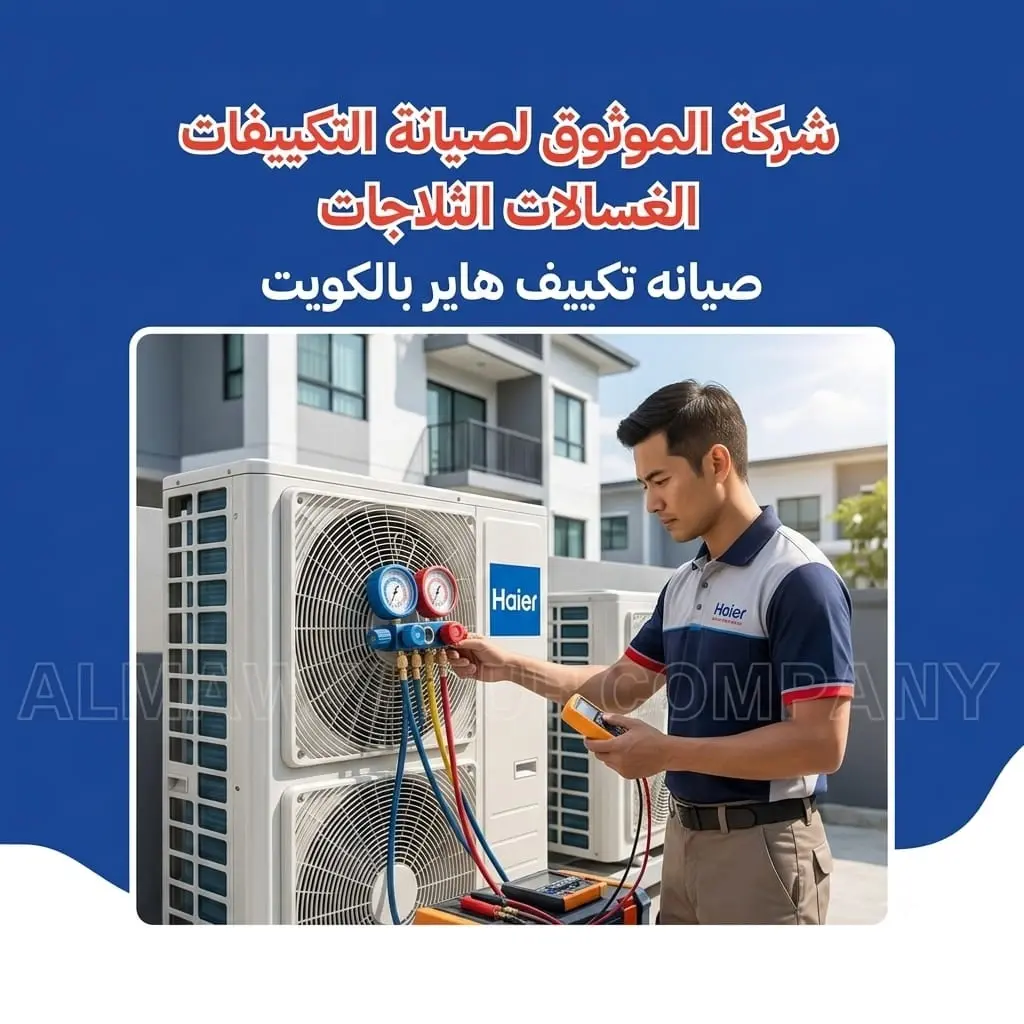
When a Haier AC has weak cooling, the first step is to define what “weak” actually means instead of using one description for every situation. There is a major difference between an air conditioner that produces a small amount of cold air, one that blows strongly but the air feels warm or only slightly cool, and one that starts with strong cooling then gradually loses performance. The first condition usually points more toward airflow, the second may direct attention toward the refrigeration cycle, and the third requires observing the unit over time because the fault may not appear immediately after startup.
If airflow itself is weak, the technician should review the filters, indoor coil, blower, and air path as needed. Dust buildup can reduce the amount of air moving through the unit and make the room take much longer to cool. In many cases, users lower the temperature setting further because they think that will compensate for poor airflow. However, setting the thermostat lower cannot increase the unit’s actual capacity when airflow is restricted. Air-direction settings should also be checked, along with whether the room has major heat sources or continuously open doors.
If airflow is normal but the air is not cold enough, the inspection needs to go deeper. The technician should review outdoor-unit operation, refrigeration-cycle behavior, and any signs that might suggest improper refrigerant charge, leakage, or abnormal icing. Most importantly, low refrigerant should not be diagnosed by feeling the air alone. It should be supported by proper evidence and measurements. If low charge is confirmed, the correct step is not simply adding refrigerant and leaving. The reason for the shortage should be identified so the problem does not return.
It is also important to distinguish a genuine loss of cooling performance from unrealistic expectations. If the air conditioner is undersized for a large room or the space receives heavy direct sunlight, the unit may already be operating near its maximum capacity. A technician should help determine whether the problem is a fault, a sizing issue, or difficult operating conditions. That can save the customer from paying for repairs that will not change the final result.
-
Distinguish between low airflow that feels cold and strong airflow that feels warm because the type of weakness determines whether the priority is airflow or refrigeration-cycle inspection
-
Do not lower the thermostat to the minimum and consider that a repair because settings cannot compensate for restricted airflow or a genuine system fault
-
If low refrigerant is confirmed the reason for the loss should be identified before charging because adding refrigerant without understanding the cause may only create temporary improvement
-
Review room size and direct sun exposure before blaming the unit because sometimes the weak result comes from high heat load rather than an internal fault
Haier AC Does Not Cool the Room
When a Haier AC does not cool the room even though the unit is running, it is important to distinguish between an air conditioner that is not producing enough cooling in the first place and one that produces cold air but the room itself does not retain that cooling. This difference matters because the cause may be inside the unit or in the room conditions. If the air coming from the indoor unit is cold but the room remains warm, factors such as room size, open doors, direct sunlight, insulation, and indoor heat sources should be considered. If the air itself is not cold from the beginning, the inspection should focus more heavily on the refrigeration cycle and related components.
The technician should also evaluate whether the air conditioner is appropriately sized for the room. A unit with insufficient capacity may run for long periods and still struggle to reach the selected temperature, especially during the hottest hours of summer. In that situation, it would be a mistake to treat the problem like an equipment fault and immediately add refrigerant or replace components. The important question is whether the air conditioner previously cooled the same room well and then lost performance, or whether it has struggled from the first day. That history helps separate a new fault from an original sizing problem.
Airflow direction, filter condition, and both indoor and outdoor units should also be inspected. Cold air that does not circulate properly across the room can make the cooling result feel much weaker even when the unit itself is functioning. If the outdoor unit is trapped in excessive heat or poor ventilation, its ability to reject heat can also decrease. Proper diagnosis combines all of these factors before any internal component is blamed.
-
Determine whether the air coming from the unit is cold while the room stays warm or whether the air itself is not cold because these situations require different inspection paths
-
Compare current performance with how the same unit used to cool the same room because a later decline is different from an undersizing problem that existed from the beginning
-
Review open doors sunlight insulation and internal heat sources because excessive heat load can make a working unit appear weaker than it really is
-
Do not begin internal repair before evaluating room conditions because some cases of poor room cooling are caused more by space conditions and distribution than by the air conditioner itself
Checking Haier AC Refrigerant

A proper Haier AC refrigerant check should depend on measurements and diagnosis rather than simply touching a pipe or deciding that the air does not feel cold enough. Refrigerant is part of a closed system, and many users automatically connect every cooling problem to low charge. This assumption leads to a lot of unnecessary service work. Dirty filters, restricted airflow, poor outdoor-unit performance, blower issues, and excessive room heat load can all produce a similar feeling inside the room.
A specialist first reviews operating conditions and then checks the refrigeration cycle for real indicators of a refrigerant problem. If there is evidence of low charge, the most important question becomes: Why is it low? Refrigerant should not disappear from the system as part of normal seasonal operation. Repeated loss usually requires investigation for leakage or previous service-related loss. Simply adding refrigerant may improve cooling temporarily, but if the reason remains, the same problem is likely to return and the customer may pay again.
It is equally important to understand that adding more refrigerant than required is not a solution. Incorrect charge can also reduce system performance. The correct amount depends on the equipment specifications and the actual operating conditions. Outdoor temperature and system behavior during inspection should be taken into account because readings cannot be interpreted properly without considering the conditions under which they were taken.
After correcting a genuine refrigerant shortage, the air conditioner should be run and performance compared. The objective is not simply to make a pipe cold. The system should return to stable cooling, normal airflow, and operation without abnormal icing or other signs of imbalance.
-
Do not depend on feeling alone to diagnose low refrigerant because many other cooling problems can create the same result inside the room
-
If low charge is confirmed ask why it happened before accepting a refill because refrigerant in a closed system should not keep disappearing without a cause
-
Avoid the idea that adding extra refrigerant is a safety measure because the system needs the correct charge rather than the maximum possible amount
-
After refrigerant service or repair actual cooling performance should be tested because success is measured by stable operation rather than simply adding refrigerant
Diagnosing a Haier AC Refrigerant Leak
Diagnosing a Haier AC refrigerant leak becomes necessary when testing shows that the system charge is abnormally low or when weak cooling returns after a previous refrigerant refill. The biggest mistake in this situation is simply adding more refrigerant every time without finding where it is escaping. A leak may be small and slow enough to be invisible, or it may come from a connection, refrigerant line, or another part of the circuit. That is why leak diagnosis requires a structured inspection rather than guessing.
The technician should begin with the service history. Was the system recently installed, removed, relocated, or serviced? Has refrigerant been added before? Did the cooling problem return quickly or only after a long period? These details can help prioritize possible inspection points. The technician then checks connections, refrigerant lines, and any areas showing oil traces or other abnormal signs. If the situation requires leak-detection equipment or pressure testing, the appropriate method should be used instead of random experimentation.
Once a leak is located, the cause should be repaired before the system receives its final refrigerant charge. Some customers accept a quick refill because they want the room to cool immediately, but that usually creates only temporary improvement if the leak remains open. From a cost perspective, fixing the underlying cause is usually better than paying for repeated refrigerant visits every few months.
After repair, the refrigerant circuit should be checked for integrity and the system should be operated again. Good leak diagnosis is not only about answering “Where did the refrigerant go?” It is also about understanding why it was lost and preventing the same condition from returning.
-
If weak cooling returns after previous refrigerant charging treat a leak as a possibility that needs inspection instead of repeatedly adding more refrigerant
-
Tell the technician about any previous installation relocation or servicing because the repair history can help identify likely leak points more efficiently
-
Ask for the leak location to be repaired before the final refrigerant charge because correcting the cause matters more than temporarily replacing what was lost
-
After the repair the system should be monitored for stable performance because successful leak diagnosis is proven when the same cooling problem does not quickly return
Cleaning a Haier AC Unit
Cleaning a Haier AC unit should mean more than removing visible dust from the filter. Effective cleaning depends on the condition of the system, the type and location of buildup, and how that buildup is affecting airflow or heat transfer. Dirty filters reduce airflow, while dust accumulated on the indoor heat exchanger can reduce the amount of cooling transferred into the passing air. The outdoor unit also needs to release heat efficiently, and heavy buildup can affect performance even more during Kuwait’s extreme summer temperatures.
Before cleaning, the technician should determine whether dirt is actually contributing to the complaint. If airflow is weak and the filters are heavily loaded, cleaning makes sense. However, if airflow is strong, the unit is already clean, and cooling remains weak, additional cleaning is unlikely to solve the problem. Maintenance should not become a fixed routine used to explain every complaint regardless of the actual condition.
The cleaning method also matters. Not every component should simply be sprayed with water, and electrical parts should not be exposed unnecessarily while trying to reach dust. Safe cleaning distinguishes between areas where buildup should be removed and parts that need protection. For the user, cleaning a removable filter may be part of normal maintenance according to the appliance instructions. Deeper cleaning should be left to a technician when it requires dismantling or working near electrical components.
After cleaning, airflow and cooling should be compared with the condition before service. If there is a clear improvement, buildup was genuinely part of the problem. If performance remains unchanged, diagnosis should continue instead of treating cleaning as a complete solution.
-
Do not treat filter cleaning alone as complete AC maintenance because buildup may also affect the indoor heat exchanger or outdoor unit and reduce heat-transfer efficiency
-
The decision to clean should be connected to visible or measurable buildup because an already clean system does not need extra cleaning simply because cooling is weak
-
Avoid spraying water carelessly around electrical components because poor cleaning technique can create a new fault instead of improving performance
-
Compare airflow and cooling before and after service because the result shows whether dirt was actually contributing to the problem
Checking a Haier AC Compressor
A Haier AC compressor inspection should only be carried out when there are genuine signs connected to refrigeration-cycle operation, not simply because the air conditioner is not cooling well. The compressor is a major component, but it should normally come later in the diagnostic process after airflow, the outdoor unit, refrigerant condition, electrical supply, and operating conditions have been reviewed. Compressor repair or replacement is a significant decision and should never be based on a guess.
The technician should observe whether the compressor starts, whether it continues running or stops quickly, and whether it produces an unusual sound or abnormal temperature in the context of other measurements. The electrical supply and components involved in compressor operation should also be checked according to the unit design. Sometimes the compressor does not run because another fault prevents it from starting, and replacing the compressor would not solve the real problem.
If the air conditioner begins with cooling and then stops after operating for some time, the technician should observe the system over a longer period. Does shutdown happen after temperature rises? Does the outdoor fan continue running? Does the compressor restart after waiting? These patterns help distinguish protection-related behavior, electrical problems, and an actual compressor fault. Proper diagnosis requires reading the whole system rather than hearing one sound and making a decision.
If compressor failure is confirmed, the customer should be given a realistic view of the overall condition of the system before approving major work. The age of the air conditioner, the condition of the remaining components, and the repair cost should all be considered. In some cases, repair is reasonable. In others, the economic comparison matters just as much as the technical possibility.
-
Do not accept a compressor diagnosis based on weak cooling alone because many other faults can reduce cooling without compressor damage
-
Electrical supply and the components involved in compressor startup should be checked before treating a non-running compressor as proof of direct failure
-
Observe whether the unit cools and then shuts down after some time because shutdown patterns under heat can provide important information about the cause
-
If the repair is major ask about the overall condition of the air conditioner because compressor cost should be compared with equipment age and the health of the remaining system
Common Haier Home AC Faults
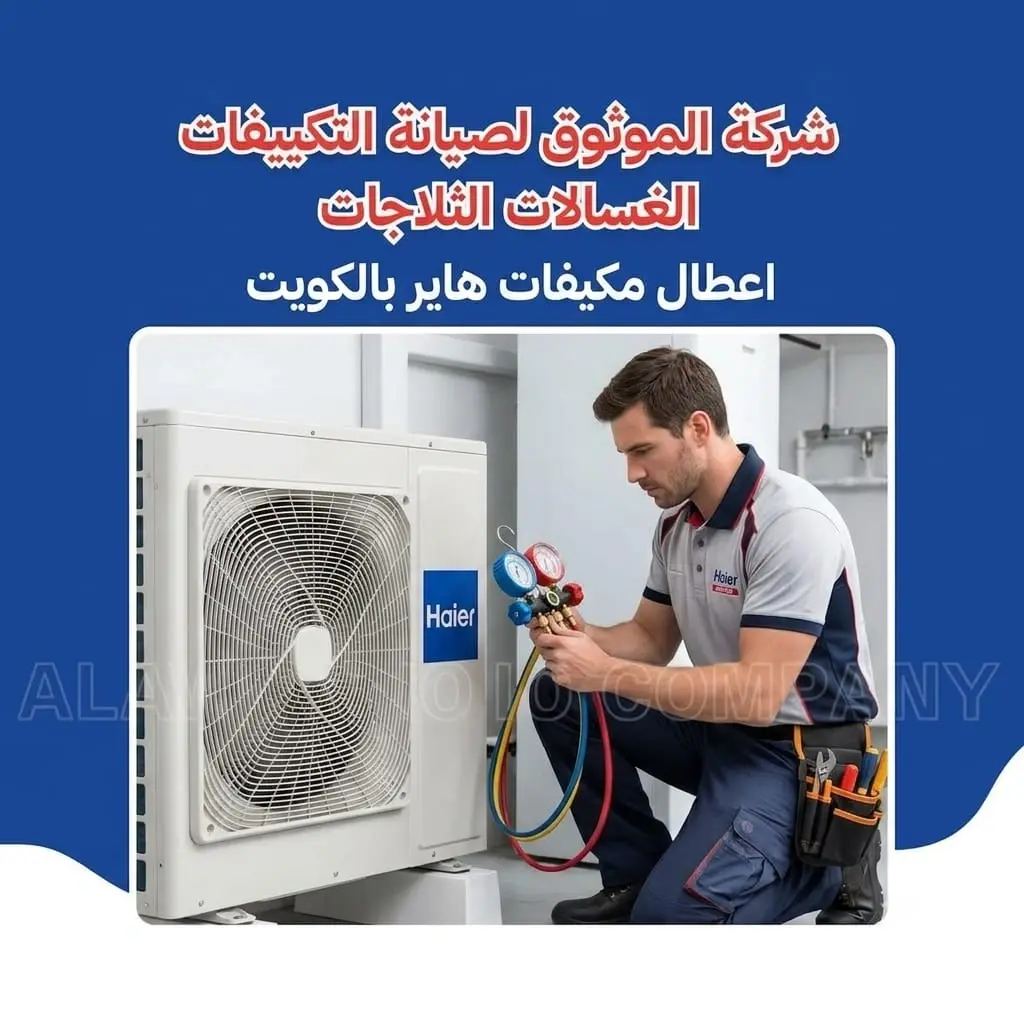
Understanding common Haier home AC faults becomes much easier when problems are divided according to the type of symptom instead of putting everything under the general complaint “it does not cool.” Some faults appear as weak airflow, others as warm air, while others may involve water leakage, unusual noise, outdoor-unit stopping, or icing. Each group requires a different inspection direction, which prevents the technician from trying the same solution for every problem.
For example, water leaking from the indoor unit does not directly prove low refrigerant. It may involve drainage, excessive condensation, or ice that later melts. An unusual sound may come from the fan, mounting, or a foreign object rather than the compressor. Frequent shutdown may be related to control, protection, or operating conditions. The symptom always needs to be connected to when and how it appears.
It is very useful for the customer to note timing. Does the leak begin after two hours? Does the noise appear only at a certain fan speed? Does cooling become weaker only during the afternoon? These details provide significant value during inspection. If a serious warning sign appears, such as a burning smell, visible sparking, or repeated electrical tripping, the air conditioner should be turned off immediately.
Smart fault diagnosis means not reducing every problem to refrigerant or cleaning. Every symptom has its own diagnostic path, and every repair decision should be supported by evidence.
-
Classify the problem according to symptom type and timing because weak airflow leakage noise and shutdown each require a different inspection direction
-
Do not connect every water leak directly to low refrigerant because drainage problems and icing can produce the same visible result
-
Record when noise or weak cooling appears because timing patterns can help the technician separate a constant fault from one linked to specific operating conditions
-
Turn the air conditioner off if there is a burning smell sparking or repeated electrical tripping because those conditions go beyond normal maintenance and require safe inspection
Booking a Haier AC Inspection Technician
Before booking a Haier AC inspection technician, prepare a clear description of the problem instead of using a general phrase such as “the AC is weak.” Explain whether airflow is low, the air is warm, or the unit cools well at first and then becomes weaker. Mention any water leakage, ice, unusual sound, or repeated shutdown. Every one of these details helps the technician prepare for a more appropriate inspection from the beginning.
You should also ask about the visit fee and what the inspection includes. Does it include evaluating both the indoor and outdoor units? Is cleaning separate? Is refrigerant measurement performed only when needed? Clear service scope allows you to compare providers fairly. It is better not to rely on any service that immediately offers a “refrigerant refill price” before confirming that the system actually needs refrigerant.
During the visit, make sure the technician measures and observes the system before starting work. If the diagnosis is cleaning, there should be evidence of buildup and reduced airflow. If the diagnosis is low refrigerant, the technician should explain what proved the shortage. If the compressor is blamed, the inspection should be deeper and supported by stronger evidence. Trustworthy service builds the decision step by step.
After the work, the air conditioner should be operated for a suitable period and the result observed. Is airflow stronger? Has cooling improved? Has the leak stopped? Has the unusual sound disappeared? The final test is what gives the visit real value.
-
Prepare an accurate description of the symptom before booking because the phrase weak cooling alone is not enough to determine what type of inspection is needed
-
Ask what the visit fee includes because cleaning refrigerant checks and repair are different services and should be clearly separated
-
Do not approve refrigerant charging or part replacement before understanding the evidence because good service begins with diagnosis rather than selling a repair
-
After the work let the air conditioner run long enough to confirm stable improvement because lasting performance matters more than the first five minutes of cooler air
Conclusion
Weak cooling in a Haier air conditioner does not have one single cause, which is why diagnosis should always come before repair. Sometimes the issue is a dirty filter or restricted airflow. In other cases, the outdoor unit, refrigerant leak, incorrect charge, or a major component may require inspection. The important point is that every possibility should be reviewed according to symptoms and measurements rather than assumptions.
If you need a Haier AC technician in Kuwait, choose someone who evaluates the cooling performance inside the room and checks both the indoor and outdoor units before recommending refrigerant charging or part replacement. If there is a burning smell, visible sparking, or repeated electrical tripping, stop using the air conditioner immediately. The goal of service is not simply to make the air feel cold for a short time. The goal is to restore stable cooling and efficient operation without the same problem returning shortly afterward.
Frequently Asked Questions
Why does my Haier AC blow air but fail to cool the room?
The cause may be weak refrigeration performance, excessive room heat load, or poor air distribution. The temperature of the supplied air should be compared with room conditions before the fault is identified.
Does every weak-cooling problem in a Haier AC mean low refrigerant?
No. Dirty filters, restricted airflow, outdoor-unit problems, and even an undersized air conditioner can produce a similar result. Low refrigerant should be confirmed through proper inspection and measurement.
Is refrigerant charging enough without checking for a leak?
If refrigerant was lost because of a leak, charging alone usually creates only temporary improvement. The better approach is to identify and repair the leak before the final refrigerant charge.
When does a Haier AC compressor need inspection?
Compressor inspection becomes more justified when there are signs related to refrigeration-cycle operation, such as the compressor failing to start or shutting down abnormally after simpler causes have been ruled out. Weak cooling alone is not enough to condemn the compressor.
What information should I prepare before booking a Haier AC technician?
Explain the type of cooling problem, when it appears, and whether there is unusual noise, water leakage, icing, or repeated shutdown. The more specific the description, the easier it becomes to direct the inspection toward the real cause.