Samsung Front Load Washer Repair in Kuwait: Home Technician
Samsung front load washing machines are practical and convenient, but when a problem starts with the door, drum, drainage, or vibration, the situation needs more careful handling than simply restarting the appliance and hoping everything returns to normal. The design of a front load washer depends on a tightly secured door lock, a drum that rotates at high speeds, and drainage and balancing systems that work together. Because of that, even a small fault can sometimes look like a much bigger problem. In this guide, we explain Samsung front load washing machine maintenance from a perspective focused specifically on front load models, including how home diagnosis should be carried out, how to distinguish door faults from drum and drainage problems, and when professional help is more appropriate than random repair attempts that could make the fault worse.
Samsung Front Load Washing Machine Maintenance

Proper Samsung front load washing machine maintenance should begin with understanding how this particular type of washer works, because the front door, horizontal drum, balancing system, and drainage process are directly connected. For example, a customer may complain that the door will not open after the program has finished and immediately assume that the lock itself is defective. In some cases, however, the washer has simply failed to drain all the water, so the safety system continues to keep the door locked. The same idea applies when the washer vibrates heavily during spinning. It would be wrong to assume immediately that the drum is damaged because the cause may instead be an uneven load, an appliance that is not level on the floor, or a fault in the parts designed to support and absorb drum movement. Correct diagnosis depends on identifying the exact stage when the symptom appears rather than judging the appliance only by the final result.
From practical home servicing experience, front load washers often benefit greatly from being inspected in their original installation position. The way the appliance sits on the floor, the amount of space behind it, and the position of the inlet and drain hoses can all influence performance. If the washer is immediately moved to a workshop, part of the problem related to installation conditions may disappear and become harder to reproduce. That is why a specialist technician should first inspect the washer where it is normally used, check its stability, examine the hose positions, inspect the door condition, and listen to the drum while it rotates before dismantling internal components.
Maintenance also does not mean that every service visit should end with a new part being installed. In some situations, the correct solution may be cleaning a restricted path, adjusting the washer level, or correcting an external installation problem. If an actual component fault is found, the decision to repair or replace it should be supported by clear testing. This method helps reduce unnecessary cost and avoids the common problem of replacing good components simply because one visible symptom can have several possible causes.
-
Pay attention to whether the problem appears at the beginning of the program during drum movement or during drainage because the timing of the fault usually identifies the related system more accurately than simply saying the washer is broken
-
Check whether water remains inside the drum before trying to open the door because continued locking may be caused by incomplete drainage rather than an actual failure of the door-lock mechanism
-
Do not treat heavy vibration as automatic proof of drum damage because floor level load balance and the washer support components all need to be inspected before reaching that conclusion
-
Ask the technician to test the washer in its normal installed position after maintenance because operation under real conditions gives a more reliable result than a quick empty test without an appropriate cycle
Samsung Front Door Washing Machine Repair
When you need Samsung front door washing machine repair, the work should be based on diagnosing a complete system rather than focusing on one visible part. Front load washer design means several functions depend directly on each other. The door must close correctly, the electronic lock must confirm that the door is secured, and only then can the washer safely begin water intake, drum rotation, drainage, and spinning. If any of these conditions is not completed properly, the machine may refuse to start, stop in the middle of the program, or keep the door locked after the cycle ends. For this reason, a door that will not open or close does not automatically mean the locking component needs replacement. A small object may be preventing proper closure, the door may be slightly misaligned, water may still be inside the drum, or the component responsible for confirming the door status may not be operating normally.
During a practical repair visit, the outside condition of the door should be checked first. The technician should look for abnormal resistance, misalignment, rubbing, or any foreign object trapped between the door and the rubber seal. After that, the lock and the washer response should be tested. If the display responds but the program does not begin, the technician should determine whether the control system is receiving confirmation that the door is locked. If the cycle finishes but the door remains locked, the water level and drainage condition should be checked before the lock itself is blamed. Following this order saves time and reduces unnecessary part replacement.
One common mistake is trying to pull the door handle forcefully or inserting an object between the door and the washer body to release it. A minor fault can quickly turn into a broken handle, damaged door frame, or torn rubber seal. If the door does not open normally, avoid force and first determine why it is still locked. A specialist can identify whether the problem comes from the lock itself or from another operating condition. After repair, the washer should be tested through an actual cycle so the door can be checked during locking, operation, cycle completion, and normal release.
-
If the door does not close easily do not force it because the problem may be simple misalignment or an obstruction and excessive pressure can turn a minor issue into a broken mechanical part
-
If the door stays locked after the cycle finishes check whether water remains inside the drum because the safety system may intentionally prevent opening until proper drainage has been completed
-
Do not agree to replacing the door lock only because the washer refuses to start because the electrical signal and actual door condition should be tested before the lock is diagnosed as defective
-
After repairing the door system the technician should test locking program startup cycle completion and normal opening because confirming only one stage is not enough to prove the entire problem has been solved
Samsung Front Load Washing Machine Technician

Choosing a Samsung front load washing machine technician should be based on experience with front load designs specifically, not only on general appliance repair experience. These washers have a different drum support arrangement, front door system, vibration behavior during high-speed spinning, and internal access layout. The technician should understand the difference between a normal sound caused by high rotational speed and a grinding, knocking, or rubbing noise that points to an actual fault. They should also understand how drainage, spinning, and door locking are connected, because symptoms from these systems often overlap. Diagnosing each one as a completely separate problem can easily lead to the wrong repair decision.
A useful sign of a genuinely experienced technician is the quality of the questions they ask before starting work. Does the door fail to open? Does the drum move and then stop? Is water remaining inside the machine? Does the vibration happen only during the spin stage? Did the problem begin after moving the washer to a different location? These questions create a clear sequence before physical inspection begins and help the technician decide which areas need testing first. Someone who immediately suggests changing the drum, lock, motor, or electronic board without confirming the cause is relying more on guessing than diagnosis, and that approach can become especially expensive with front load washers.
A good technician should also explain whether the fault needs immediate repair or whether the washer can still be used safely after a simple correction. Minor vibration caused by poor leveling is very different from severe knocking or abnormal drum movement. A small door adjustment is also very different from an active water leak. The correct decision should consider safety, repair cost, appliance age, and the overall condition of the machine, especially if several faults are appearing at the same time. A qualified technician helps the customer understand which issue requires repair now and which issue simply needs monitoring instead of turning every minor symptom into a separate repair charge.
-
Choose a technician who understands the relationship between the door drainage spinning system and drum because front load washer faults often appear as connected symptoms rather than isolated component failures
-
Ask why the technician has chosen a particular diagnostic path because their ability to explain the link between the symptom and the suspected part gives a clearer indication of actual technical experience
-
If vibration or unusual noise is the main complaint ask for the washer to be tested during the spin stage because low-speed drum movement will not reveal every problem that appears only at high rotation
-
Do not choose only according to arrival speed or the lowest quoted price because front load washers require accurate diagnosis and random replacement of a major component can increase the total cost without solving the original fault
Samsung Front Load Washer Door Will Not Open
When a Samsung front load washer door will not open after the program ends, the first reaction for many users is to pull the handle repeatedly and harder each time. That is exactly how a small problem can turn into a more expensive one. In front load washers, the door is connected to a safety system that prevents opening under certain conditions, especially when the machine still detects water inside the drum, the program has not fully completed, or the internal temperature needs time to fall before the door can safely be released depending on the cycle used. Because of this, a locked door should not immediately be diagnosed as a failed door-lock component. The first step is confirming whether the cycle has actually ended, whether water remains inside the drum, and whether drainage has completed correctly.
In other situations, the problem may come from the handle mechanism or from door alignment itself, especially if the door was previously being closed with excessive force, clothing was trapped between the rubber seal and the glass, or the door had already started becoming difficult to close over the previous days or weeks. This gradual change matters. A door that has been increasingly difficult to close and then finally becomes stuck is a different case from a door that worked perfectly and suddenly remained locked after one cycle. It is also important to know that disconnecting power does not always release the door immediately because some locking systems require a short period before they disengage after the safety condition has ended.
A specialist technician should inspect the drainage condition and water level first, then evaluate the response of the door-lock system before dismantling any parts. If testing confirms that the lock itself is faulty, the correct component can then be repaired or replaced according to the washer model and condition. Avoid using screwdrivers, metal tools, or force around the frame and glass because damaging the handle, frame, seal, or glass can turn one fault into several additional repair costs.
-
If the door remains locked after the program ends wait briefly and make sure the washer has completely drained before assuming that the lock itself has failed
-
Do not pull the handle forcefully or insert tools between the door and the washer body because pressure can damage the handle frame or rubber seal and make the repair more expensive
-
Notice whether difficulty opening the door was preceded by several days of difficult closing because gradually developing symptoms can indicate a different mechanical problem from a sudden fault
-
If water is clearly visible inside the drum focus first on why the machine did not drain because remaining water may be the exact reason the safety system is preventing the door from opening
Samsung Front Load Washer Water Leak

A Samsung front load washer water leak should be taken seriously because the exact location where the water first appears provides an important clue about the cause. Not every leak means the drum itself is damaged or that the washer is beyond repair. If water appears around the front door, the first areas to inspect are the rubber door seal and the contact surface between the seal and the glass. A small piece of clothing, tissue, or a sharp object trapped in the seal can create a path for water or even cause a tear. If the leak appears from the rear, the inlet and drain hoses, their connections, and the way they are secured should be checked first. If water comes from underneath the washer only during a particular stage, the technician needs to determine whether the leak begins during filling, washing, or drainage because that timing helps identify which water path requires inspection.
A common mistake is seeing only a small amount of water, wiping it away, and continuing to use the washer several times. Later, the user may discover that moisture has reached cabinets, flooring, walls, or nearby electrical areas. A small but repeated leak should not be ignored because the concern is not only the amount of water on the floor. Continued moisture may eventually reach electrical components or damage additional parts. Excess detergent or the wrong detergent type can also cause excessive foam in front load washers, and that foam may escape through the door area or detergent drawer in a way that looks similar to a mechanical leak. That means detergent type and quantity should also be considered during diagnosis.
A proper inspection usually begins by drying the area and then running an appropriate cycle so the true source of the leak can be observed rather than guessing from old water marks. The technician should inspect the door seal, detergent drawer, hoses, connections, and internal water paths according to where the leak appears. If the door seal has an actual cut or tear, it should be assessed properly instead of being patched with an unsuitable temporary fix that cannot withstand repeated movement, moisture, and temperature changes.
-
Identify where the first visible water appears whenever possible because leakage from the door area has different causes from leakage at the rear or underneath the washer
-
Stop using the appliance if the leak is clear and repeated instead of simply drying the floor because continued operation may increase damage or allow moisture to reach parts that were not originally affected
-
Review the detergent type and quantity being used because excessive foam in front load washers may escape from different areas and look very similar to a mechanical water leak
-
If the door seal has an obvious tear or deep crack do not rely on unsuitable temporary repairs because the seal is constantly exposed to movement water and pressure and needs a solution appropriate to its actual condition
Samsung Front Load Washer Vibration
When Samsung front load washer vibration becomes stronger during the spin cycle, it is important to distinguish normal movement caused by high-speed rotation from excessive vibration that causes the washer to move across the floor, hit surrounding surfaces, or produce heavy knocking sounds. The first thing to check is whether the appliance is level because even a small difference in one foot can be barely noticeable during slow washing movement but become very obvious during high-speed spinning. The type of laundry load also matters greatly. One heavy item such as a blanket or large bed cover can collect on one side of the drum, forcing the washer to repeatedly attempt to redistribute the load. If balance cannot be achieved, the appliance may vibrate heavily or reduce spin speed depending on its control system.
However, if the washer has been standing in the same place for years and suddenly begins vibrating much more strongly even with normal laundry, simply blaming the floor is not enough. The condition of the drum support and movement-control components should be inspected, along with any unusual sounds or abnormal drum movement. There is a major difference between vibration caused by poor loading and a drum that feels as though it is moving unusually inside the cabinet. A specialist technician can evaluate these differences and determine whether the washer only needs leveling or whether the support system requires deeper inspection.
If the washer is new or has recently been moved, the installation requirements for the exact model should also be reviewed carefully. Any transportation components that the manufacturer requires to be removed before operation must be dealt with according to the installation instructions. Leaving such components in place can create severe vibration from the very first use. Randomly adding pads or improvised supports without identifying the cause may hide the symptom temporarily but will not correct an internal fault if one exists.
-
Check that all washer feet are firmly supported and that the appliance is level because a leveling problem may become obvious only at high spin speed even when the washer seems stable during normal washing
-
Test the washer with a normal balanced load if the vibration appeared while washing one large heavy item because laundry distribution inside the drum should be ruled out before diagnosing an internal fault
-
If the vibration started after the washer was moved or installed in a new location review the installation requirements for the specific model before investigating drum-support components
-
If the washer moves across the floor or produces severe knocking or metallic noise despite a balanced load stop using it and have the movement and support system inspected instead of repeatedly running high-speed spin cycles
Samsung Washing Machine Door Lock Repair
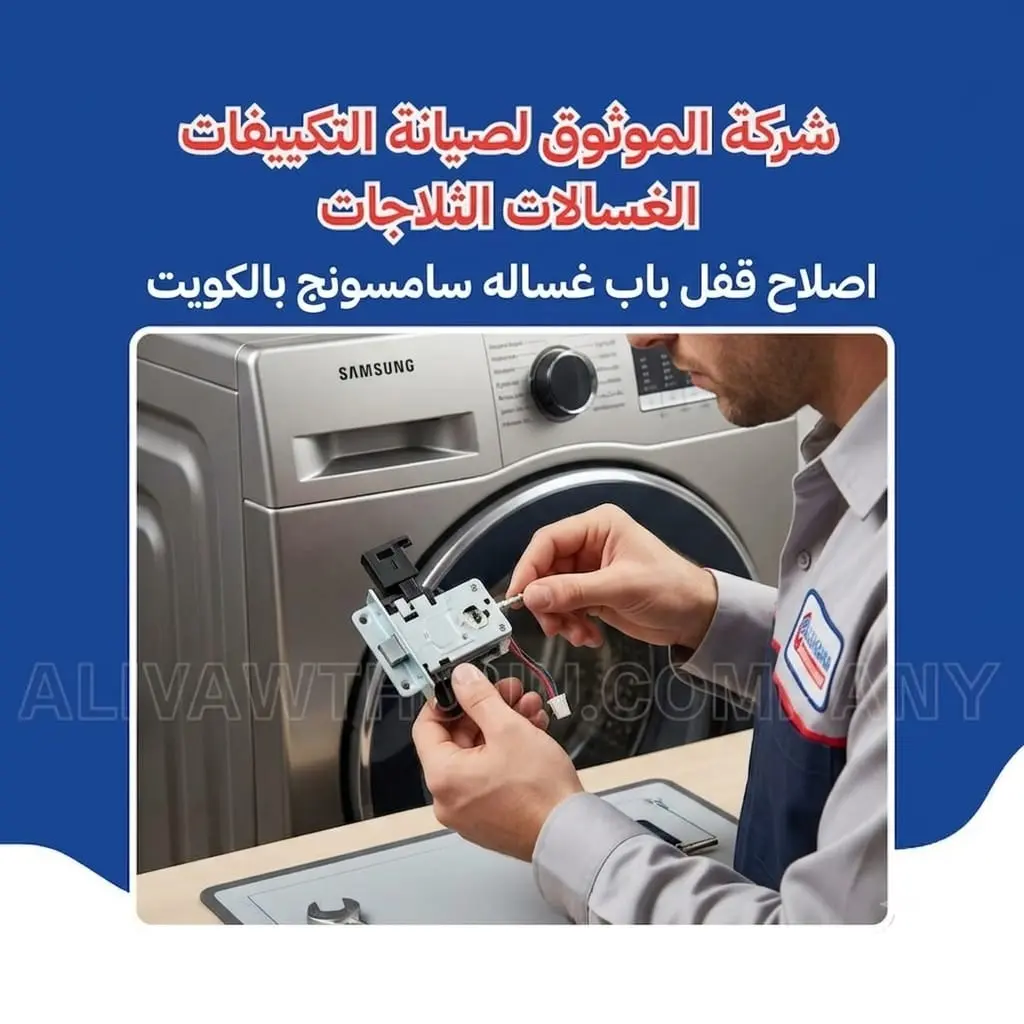
Samsung washing machine door lock repair requires careful diagnosis because the lock is not simply a mechanical part that holds the door shut. It is part of the washer’s safety system and is directly connected to program startup, operation, and cycle completion. If the appliance cannot confirm that the door is securely closed, it may refuse to start altogether. If the locking system fails to release correctly after the program ends, the door may remain closed even though the drum has stopped. The exact symptom therefore determines the diagnostic direction. Is the door physically unable to close? Does it close but the washer still refuse to begin? Does the program run normally but the door remain locked at the end? These are different situations and should not all be treated as proof that the lock itself must be replaced.
Some faults are mechanical, such as damage to the handle, latch, or alignment of the door. Others may be electrical or related to how the lock responds to the washer control system. Water remaining inside the drum or a program that has not fully completed may also cause the lock to remain active as part of normal safety operation. In that situation, replacing the lock would not solve the real problem. A qualified technician should first check the drainage condition, the mechanical alignment of the door, and the electrical response of the lock before deciding whether adjustment, repair, or replacement is required.
After repairing the door-lock system, more than one function should be tested. It is not enough to confirm that the door closes. The technician should select a program, verify that the washer recognizes the locked position, allow an appropriate operating sequence to continue, and then confirm that the door releases correctly when it should. If a new lock has been installed but the washer still refuses to start, the diagnosis should be reviewed rather than assuming the repair is complete.
-
Distinguish between a door that physically closes and a washer that electronically recognizes the locked position because the door may appear shut while the control system still does not receive the required signal
-
Do not replace the lock before confirming that continued locking is not caused by water remaining inside the drum or an incomplete drainage stage because those conditions require a different repair path
-
After repair the technician should test program startup operation completion and door release because successful closing alone does not prove that the entire locking system works correctly
-
If the handle or door latch has visible damage or misalignment the mechanical component itself should be assessed instead of assuming an electrical fault from the beginning and increasing repair complexity unnecessarily
Samsung Front Load Washer Drum Does Not Turn
If a Samsung front load washer drum does not turn, the first step is defining exactly what “does not turn” means. There is a significant difference between a drum that never moves from the beginning of the program, one that rotates during washing but does not reach spin speed, and one that tries to move briefly before stopping. These details completely change the diagnostic process. If the washer takes in water and the door locks but the drum remains completely still, the technician follows a different path from a machine that rotates slowly during the wash stage and fails only during spinning. The presence of an attempted movement, clicking sound, short rotation, or complete silence also provides different technical clues.
Before assuming a major internal fault, the technician needs to confirm that the program has actually reached a stage where drum movement should occur and that all operating conditions have been satisfied. Problems with the door lock, drainage system, or load can sometimes prevent the machine from moving to the next stage. The user may see a stationary drum and conclude that the drive system has failed when the actual cause belongs to another part of the cycle. If the drum feels unusually difficult to turn manually with the appliance disconnected from power, or if it produces obvious scraping or grinding sounds, mechanical inspection is appropriate. At the same time, a drum that turns freely by hand does not prove that the complete drive system is working correctly because powered operation under load depends on several additional components.
A specialist technician should inspect the program sequence and test the drum response before recommending replacement of major parts. If the problem occurs only with a certain load or only during high-speed spinning, that scenario must be separated from complete failure to rotate. This distinction matters because repair cost can vary greatly according to the actual cause. If the washer does not move at all and there is also a burning smell, electrical noise, or strong mechanical grinding, stop attempting repeated restarts because that can turn a manageable fault into a more serious repair.
-
Tell the technician whether the drum never moves from the beginning or whether it rotates during washing and fails only during the spin stage because those situations require completely different diagnostic approaches
-
Listen for an attempted rotation short movement or unusual sound before the drum stops because the exact response provides more useful information than simply saying the drum will not turn
-
Do not repeatedly restart the washer if the lack of rotation is accompanied by a burning smell electrical noise or severe mechanical rubbing because continued attempts may increase the damage
-
If the drum works normally with a light load but fails only with heavy loads do not immediately diagnose the drive system before checking load balance and identifying the exact program stage where movement stops
Samsung Front Load Drum Maintenance
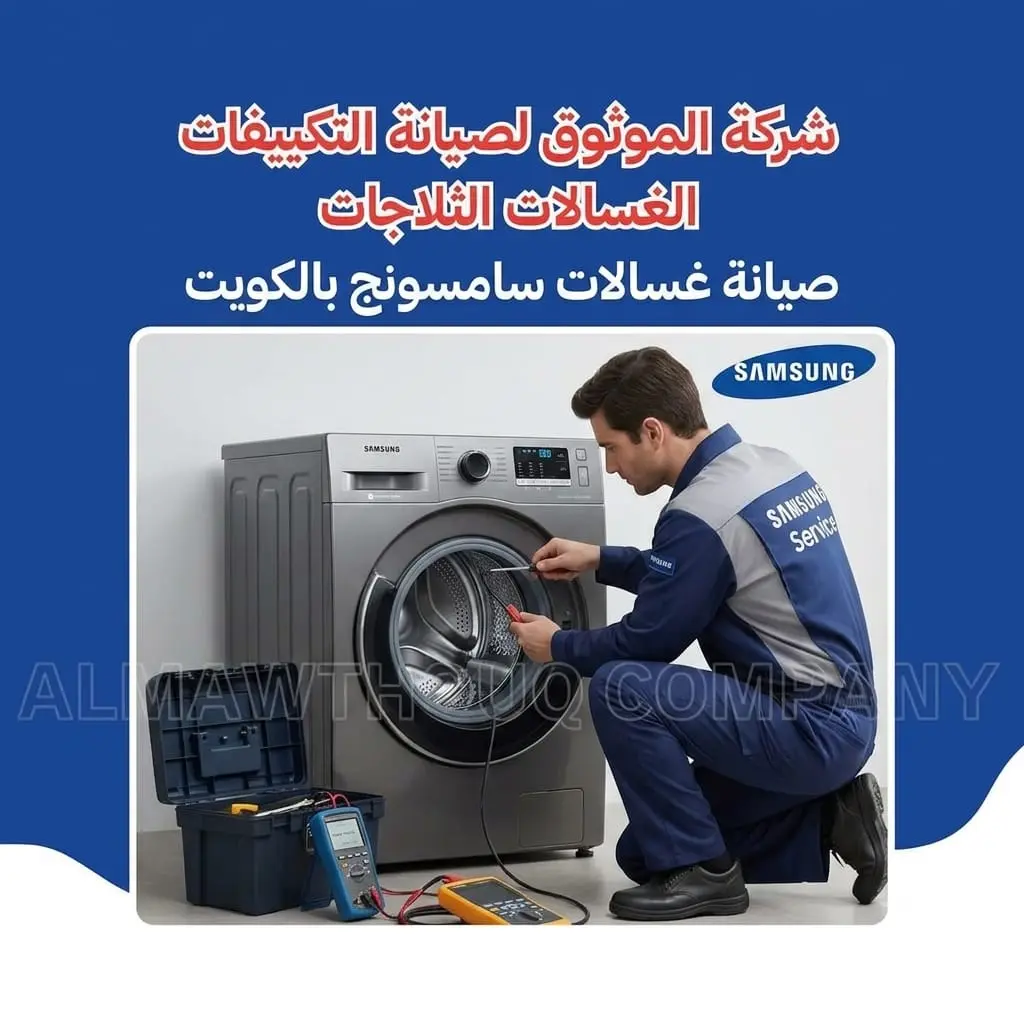
Samsung Front Load drum maintenance does not mean every unusual sound or vibration requires complete drum removal or replacement of a major assembly. The drum is influenced by several factors, ranging from laundry weight and distribution to the support and movement-control components around it. One of the most useful warning signs is a clear change from the washer’s normal behavior, such as a new rubbing sound while turning, unstable movement, repeated heavy vibration even with a normal load, or the feeling that the drum is moving in a way that is no longer normal. These symptoms deserve proper inspection because some of them may come from supporting components around the drum rather than from the drum itself.
Good diagnosis also compares how the drum behaves when empty with how it behaves under operating load. A noise that appears only when laundry is inside may indicate something different from a noise that can be heard even when the drum is turned by hand while the appliance is disconnected. The location and timing of the sound also matter. Does it appear during slow rotation or only at high spin speed? Is it a rubbing sound, repeated knock, or deeper mechanical noise? It is not technically accurate to describe every sound as “the drum is damaged,” because that broad description can lead to a major and expensive repair recommendation without enough supporting evidence.
Preventive care depends heavily on correct use, avoiding loads beyond the washer’s designed capacity, distributing large items properly, and paying attention to persistent changes in drum movement or sound. Ignoring strong vibration or rubbing for a long period may allow the original fault to affect additional components. If the washer is inspected early and the cause turns out to be a support or installation issue, the repair may be much simpler. Any recommendation for major drum-related repair should therefore be supported by a clear explanation of what was inspected and what evidence confirms the need for the work.
-
Pay more attention to a persistent new drum sound than to a single temporary noise because repeated changes that appear on every cycle provide a stronger indication that inspection is required
-
Do not treat vibration alone as proof of drum damage before checking washer level load balance and support components because the same symptom can be caused by much simpler conditions
-
If the drum feels unusually loose during manual inspection while the appliance is disconnected or produces clear rubbing sounds avoid heavy loads until the cause has been identified
-
Any recommendation for major repair or replacement involving the drum should be supported by an explanation of the inspection findings because this type of repair can be expensive and should never be based only on assumption
Booking a Samsung Technician for a Front Load Washer
Before booking a Samsung technician for a front load washer, describe the problem in a way that explains the actual scenario rather than giving only a general statement such as “the washer is not working.” If the door will not open, mention whether water is still visible inside the drum. If there is a leak, explain whether it appears from the front, rear, or underneath and during which stage it begins. If vibration is the main problem, clarify whether it happens only during spinning or from the first drum movement. These details help the technician prepare for a more focused visit and reduce time spent rediscovering symptoms that could have been explained before arrival.
When choosing a technician, the best option is not automatically the cheapest person or the one who promises immediate arrival. What matters is whether they understand front load washer design and follow a logical diagnostic sequence. A careful visit should normally begin with the installation area, hoses, and door condition, then move to testing the exact function related to the complaint, and only after that progress to internal parts when necessary. Repair cost should also be explained as clearly as possible before any component is replaced. If diagnosis has not yet confirmed which of two possible causes is responsible, the technician should say that further testing is required instead of changing one part first and hoping it solves the problem.
At the time of booking, ask about the inspection charge, how labor and replacement-part costs are approved, and whether any warranty is offered on the specific work performed or part installed. If a warranty exists, its actual terms should be clear rather than being described only in general language. After the repair is completed, do not accept the washer simply because the display turns on. The original complaint must be tested. If the door was not opening, locking and release should be checked. If the complaint was leakage, an operating cycle with water intake and drainage should be observed. If the problem was vibration, testing should include conditions that allow the washer to enter the spin stage.
-
Prepare the washer model number photos of any error message or visible leak and a clear description of the exact stage where the fault appears because useful information before the visit helps the technician begin with the correct diagnostic path
-
Ask about the inspection fee labor charge and method used to calculate replacement-part cost before repair begins so you understand the limits of the work and do not approve additional charges without clear agreement
-
Choose a technician who treats the front load washer as one connected system and understands the relationship between the door drum drainage system and vibration instead of diagnosing every symptom separately
-
After service is completed test the exact problem that caused you to book the technician and do not consider a simple power-on test enough because successful repair must prove that the original fault is gone
Conclusion
Samsung front load washing machine maintenance requires diagnosis that takes the appliance design itself into account because the door, drum, drainage system, and balancing system are not completely independent from one another. A door that will not open may actually be caused by water remaining inside the drum. Severe vibration may come from installation, an unbalanced load, or support components around the drum. A drum that does not rotate may be the result of another operating condition not being satisfied before a major drive failure is even considered. For that reason, correct repair begins by identifying the exact stage where the problem appears and recording the symptoms instead of immediately replacing parts.
If you need Samsung front load washing machine maintenance, choosing a technician who can inspect the washer in its actual installation position, explain the cause before repair, and test the same function afterward usually gives a more reliable result. Faults involving visible leakage, a burning smell, severe knocking, or clearly abnormal drum movement should not be handled by repeatedly restarting the appliance. The goal is not simply to make the washer complete one successful cycle and assume everything is fine. The goal is to identify and correct the real cause in a way that reduces the chance of the same problem returning and helps prevent a small fault from becoming a much more expensive repair.
Frequently Asked Questions
Why does my Samsung front load washer keep the door locked after the cycle?
The washer may not have completed drainage, the safety system may still be preventing the door from opening, or there may be a fault in the lock or door mechanism itself. If water is still visible inside the drum, the drainage problem should be dealt with first. Do not pull the handle forcefully because forcing the door can create additional mechanical damage.
Is vibration during the spin cycle normal on a front load washer?
A small amount of movement can be normal at high spin speed, but the washer should not move across the floor or hit surrounding surfaces heavily. If vibration is severe, check that the appliance is level and that the laundry is distributed properly. If the problem continues with normal balanced loads, the drum support and movement-control system should be inspected.
What causes water to leak from the door of a Samsung front load washer?
Water around the front door may come from the rubber door seal, an object trapped between the seal and the glass, dirt on the sealing surface, or excessive foam caused by too much or unsuitable detergent. If there is a visible tear in the seal or the leak continues during normal use, the component should be inspected properly instead of repeatedly wiping away the water.
Does a drum that does not rotate mean the motor has failed?
Not necessarily. Drum rotation can be affected by several conditions, including door-lock confirmation, the program stage, drainage problems, load conditions, or another fault that prevents the washer from moving to the next step. The technician should determine whether the drum never turns at all or whether it only fails during spinning before diagnosing the drive system.
When should I call a specialist instead of trying to fix the washer myself?
If the problem continues after basic user-level checks, or if there is persistent leakage, strong grinding noise, severe vibration, a door that will not open normally, or a drum that has stopped moving, professional inspection is the safer choice. Randomly dismantling a front load washing machine can easily add a second fault to the original problem and turn a straightforward service visit into a much larger repair.