Samsung Top Load Washer Repair: Faults That Need a Technician
Samsung top load washing machines are convenient for everyday use, but when the drum stops turning, water fails to enter, drainage becomes slow, or the machine starts making louder noises than usual, you need to distinguish between a simple usage issue and a fault that requires professional inspection. The design of a top load washer is different from a front load machine in the way the tub moves, how the lid safety system works, and how clothes are distributed during operation. Because of that, diagnosis should be specific to this type of appliance rather than copied from another washer design. In this guide, we explain Samsung top load washing machine maintenance in a practical way, show which problems you can observe yourself, and clarify when calling a technician becomes the safer and more economical decision instead of repeatedly restarting the washer until the fault decides it has permanently moved in.
Samsung Top Load Washing Machine Maintenance
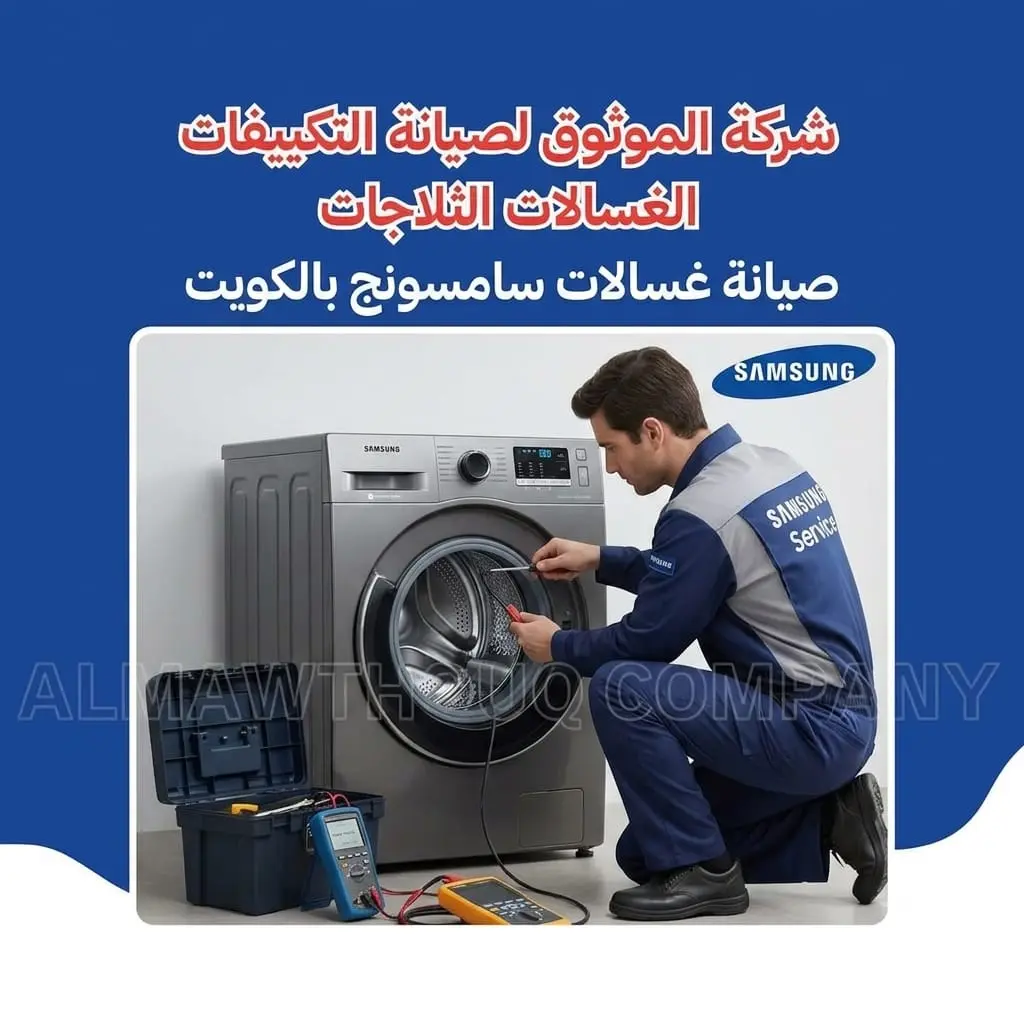
When we talk about Samsung top load washing machine maintenance, the idea is not to wait until the washer completely stops working before asking what happened. Top load washing machines often give early warning signs before a major fault develops. You may notice that the cycle takes longer than usual, the tub repeatedly tries to rebalance the laundry, water enters more slowly, or the operating sound changes, especially during the spin stage. These small details matter because they help identify whether the issue is connected to water supply, load distribution, drainage, tub movement, or the lid safety system. Good maintenance begins by understanding how the washer normally behaves and comparing any new change against that normal performance instead of waiting for a complete breakdown and then dealing with a long list of possible causes.
One important characteristic of top load washers is that the way clothes are distributed inside the tub has a noticeable effect on movement and spinning. Loading one heavy item on one side or packing clothes unevenly can cause the washer to repeatedly attempt to redistribute the load or interrupt a certain stage depending on the situation. Because of this, not every stop or vibration should automatically be treated as a mechanical failure. On the other hand, if the same problem keeps appearing with normal balanced loads, then the issue moves from simple usage toward the need for technical inspection. The same principle applies to water intake and drainage. A bent hose or weak water pressure can create symptoms that look like an internal failure even when the actual cause is external and relatively simple.
Professional home maintenance should also include inspecting the washer where it is normally installed because drain hose positioning, appliance level, water supply, and even the surrounding installation space can influence performance. A technician should not begin by replacing parts within the first few minutes. The better approach is to observe the sequence of operation and identify which stage is failing to complete normally. This makes the maintenance decision based on an actual cause rather than on a “replace it and see what happens” approach.
-
Watch for any consistent change in cycle duration or tub movement because a repeated behavioral change is more useful diagnostically than a problem that appears only once and disappears after restarting
-
Make sure clothing is distributed properly and heavy items are not concentrated on one side because poor load balance can interfere with movement and spinning without any internal component being defective
-
Check the water inlet and drain hoses before assuming a major failure because hose position or restricted flow can create symptoms that closely resemble internal washer problems
-
If the same fault keeps returning with normal loads and different programs move from home experimentation to professional inspection because repeated symptoms usually deserve more precise diagnosis
Samsung Fully Automatic Top Load Washer Repair
Proper Samsung fully automatic top load washer repair should be based on understanding the relationship between water intake, tub movement, drainage, and spinning because failure in one stage can make the user think the problem belongs to another part entirely. For example, if the washer fills with water but does not begin moving, the first assumption may be that the drive system has failed. Before reaching that conclusion, however, the technician should confirm that the lid is closed properly, the washer has recognized the lid position, and the program has actually reached the stage where movement should begin. If the washer agitates normally but does not enter the spin stage, drainage and load balance should be checked before assuming a larger internal fault. The diagnosis is a little like solving a mystery, except instead of looking for the criminal, the technician is looking for the component pretending to be innocent.
During a proper repair, the technician should begin with symptoms that can be observed and tested before dismantling the washer. Is water entering at a normal rate? Does the tub begin moving? Does the washer correctly recognize the lid position? Is drainage fast or does water remain inside the tub? Is there a noise when the machine tries to move into the spin stage? Each answer removes some possibilities and directs the inspection toward a more specific part of the system. This method is important for controlling repair cost because replacing an expensive component without proving that it is faulty may leave the customer paying for something that was never actually the problem.
Repair cost also cannot be accurately determined from the symptom name alone. Saying “the washer does not spin” is not enough to establish a price because the cause may be simple or may require deeper work depending on the model and the condition of the appliance. A proper inspection should come first, followed by a clear explanation of the cause and cost before repair begins. If a replacement part is needed, the customer should know why that part was selected and what test confirmed its failure. After repair, an appropriate cycle should be run to confirm water filling, tub movement, drainage, and spinning according to the original complaint.
-
Do not agree to replacing a component based only on the symptom description because the same visible problem can result from several different causes and diagnosis should come before repair cost
-
Ask the technician to explain which stage of the washer operation failed and how that led to the suspected component instead of accepting a general assumption
-
If the complaint involves spinning make sure drainage is tested first because water remaining inside the tub or slow drainage can prevent the washer from entering the spin stage correctly
-
After repair the original problem should be tested in a suitable program because a working display or a few seconds of tub movement does not prove that the complete wash cycle is operating normally
Samsung Technician for a Top Load Washer

Choosing a Samsung technician for a top load washer should depend more on the quality of diagnosis than on how quickly the person can arrive. Top load washers have their own design characteristics involving the lid, tub, clothing movement, and balancing system, so the technician should understand those differences before dismantling anything. A specialist will usually ask a few specific questions first. Does the washer fill with water? Does the tub move during the wash stage? Is the problem limited to spinning? Does the lid close normally? Does the noise begin immediately or only at high speed? Did the fault appear suddenly or develop gradually? These questions help build a clear picture of the problem before physical testing begins and save time by reducing unnecessary guesswork.
A good technician should also avoid frightening the customer with the biggest and most expensive possible fault from the beginning. A loud sound does not automatically mean the tub must be replaced. A washer that does not rotate does not automatically mean there is a major drive-system failure. Some faults begin with the lid system, load distribution, drainage, or even an external water problem. For this reason, a technician with real experience moves from simpler possibilities toward more complicated ones and explains why each step is being checked. That explanation is not just good manners. It is part of establishing trust because the customer understands what has been inspected and why a certain repair decision is being made.
You should also pay attention to how the washer is tested after the repair. If the complaint was a loud sound during spinning, the washer should be tested during spinning. If the problem was that water would not enter, the technician should verify normal filling speed and volume. If the fault involved the lid, the beginning of the program and the related safety behavior should be checked according to the model. A professional technician does not consider the job finished simply because the washer powered on for one second. Real quality is shown when the original failed function returns and continues working during proper operation.
-
Choose a technician who asks about the sequence of the problem and when it appears before dismantling the washer because diagnosis based on symptoms is more accurate than relying on a quick first impression
-
Avoid technicians who recommend the most expensive repair immediately without testing because a top load washer can show the same symptom for several simple or complex reasons
-
Ask what was tested and what result confirmed the fault because a specialist should be able to explain the repair decision clearly even if you are not familiar with technical terminology
-
Do not consider the repair complete until the exact stage that was causing the problem has been tested because general washer operation does not prove that the original fault has disappeared
Samsung Top Load Washer Does Not Spin
When a Samsung top load washer does not spin, the first thing to determine is exactly when the tub refuses to move because “it does not spin” can describe several very different situations. One washer may fill normally and then remain completely still. Another may perform the wash stage correctly but fail to enter the spin stage. A third may attempt to move for a few seconds and then stop. The difference between these scenarios is extremely important because the cause may be related to an incomplete operating condition, the washer failing to recognize the lid position, drainage trouble, an unbalanced load, or a genuine fault in the movement system. For this reason, a stationary tub should not immediately be treated as proof that the drive component has failed.
Sometimes the washer is overloaded or the laundry has gathered heavily on one side, causing the system to repeatedly attempt to redistribute the load before allowing higher speed operation. If the problem appears only with blankets or heavy items and disappears with normal everyday clothing, that is an important clue before requesting repair. On the other hand, if the tub does not move even with a light balanced load and different programs, then the complete operating sequence should be inspected. Does the washer recognize the lid? Has water reached the required level? Is there a sound indicating an attempted movement? Has an error message appeared? Every answer helps narrow the possibilities.
It is also important not to restart the washer ten times if you hear severe rubbing, repeated clicking, or notice an unusual smell. Repeated attempts can place more stress on an already damaged component instead of helping. A specialist should test tub movement, the program sequence, and the related operating conditions before recommending a major repair. Accurate diagnosis saves money and prevents a limited fault from becoming a much larger job.
-
Explain whether the tub never moves from the beginning or whether the washer completes the wash stage and fails only during spinning because the difference completely changes the diagnostic path
-
Try a medium balanced load if the problem appeared with one heavy item because uneven weight inside the tub can prevent normal movement without indicating a permanent internal fault
-
Pay attention to any attempted rotation or short movement before stopping because a partial response gives the technician different information from complete silence and no movement
-
If the tub stops with an unusual smell or strong grinding sound do not repeatedly restart the washer hoping it will recover because continued operation can turn a limited problem into a larger repair
Samsung Top Load Washer Does Not Fill With Water

If a Samsung top load washer does not fill with water, the problem does not necessarily originate inside the washer itself. That is why proper diagnosis should begin with the water supply before any internal part is considered. The first checks are whether the supply tap is fully open, whether household water pressure is normal, and whether the inlet hose is bent or compressed behind the appliance. Some inlet connections also include a small filter screen where debris can collect and reduce water flow. If these basic conditions are ignored and a valve or electrical component is replaced immediately, the customer may pay for a repair when the actual problem was simply in the external water path.
The way the problem appears provides useful clues. If absolutely no water enters even though the program begins and the lid is correctly positioned, the diagnostic direction is different from a situation where water enters very slowly. If the washer receives water correctly in one condition but struggles during another stage depending on the model, that information can help narrow the inspection. If the problem started after moving the washer or cleaning behind it, the hose and connections should be checked first because the change in position may be directly related to the fault.
During technical inspection, water pressure should be confirmed first, followed by checking the inlet path and the response of the component responsible for allowing water into the machine. A part should not be blamed simply because water failed to enter. If there is an operating sound or an attempt to fill but the flow remains weak, the technician should investigate restriction or reduced water movement. Slow filling can also make the program take longer and cause the user to think the washer is frozen or has an electronic fault when the real cause is much simpler. Professional diagnosis separates an external supply problem from an internal appliance fault.
-
Make sure the water source is fully open and pressure is normal before requesting repair because weak external supply can prevent filling even if all internal washer components are functioning correctly
-
Check the inlet hose and make sure it is not bent or compressed especially if the washer was recently moved or the area behind it was cleaned before the problem appeared
-
Distinguish between no water entering at all and water entering very slowly because each situation points toward a different group of possible causes
-
If the problem continues after confirming the water source and hose do not dismantle water inlet components yourself because diagnosis may require determining whether the issue is restriction electrical response or a part that genuinely needs replacement
Samsung Top Load Drainage Problem
When a Samsung top load drainage problem appears, you may notice water remaining inside the tub, the program taking too long before spinning, or the washer stopping before the cycle finishes. It is important to understand that drainage is not completely separate from the rest of the program because the washer may be unable to enter normal spinning if the water has not been removed correctly. A customer may initially report that “the washer does not spin,” only for inspection to show that the real cause is slow or failed drainage. This is one of the clearest examples of why diagnosis matters because repairing the wrong symptom keeps everyone circling around the actual problem instead of solving it.
The first area to inspect is the drain hose, including its position and whether it is bent, crushed, or restricted. Small objects from clothing pockets can also reach parts of the drainage path depending on the design and create blockage or reduced flow. If you hear the washer operating during the drainage stage but the water level does not fall normally, that information helps the technician decide whether the issue may involve a blockage or reduced water movement. If there is no response or sound at all during that stage, the diagnostic path is different. Hearing a sound by itself does not prove that the drainage system is working properly because a component can operate while the water path remains restricted.
Incorrect drain hose installation can also create repeated problems with water removal or water returning depending on the installation conditions. This is one reason a home visit is useful because the technician can inspect the washer and its real connections exactly as they are used every day. If the problem started after the appliance was moved or the hose position changed, mention that clearly. If water remains inside the tub, do not tilt the washer or dismantle random components while it is connected to power. Stop the appliance and deal with the water safely according to the washer instructions.
-
Identify whether the washer has completely stopped draining or whether water removal has gradually become slower because slow drainage may indicate a partial restriction before total blockage develops
-
Check the drain hose and make sure it is not trapped or compressed behind the machine because pressure or bending can create an obvious drainage problem especially after the washer has been moved
-
If you can hear operation during the drainage stage but the water level stays high do not assume the system is healthy because the problem may be in the water path rather than in starting the drainage stage
-
Do not use tools or dismantle internal components while the washer contains water and remains connected to electricity because unsafe handling can add an electrical problem to the original drainage fault
Loud Noise From a Samsung Top Load Washer

When you hear a loud noise from a Samsung top load washer, the first step is identifying when the sound appears and what type of sound it is. A sound during filling is different from one during washing and very different from noise that appears only during high-speed spinning. If the sound is mainly banging and vibration with one heavy item or a large load, poor load distribution may be responsible. If you hear rubbing or grinding even with a normal load, or if the sound has gradually become louder over several weeks, the washer deserves a deeper inspection. To a technician, the sound is not merely an annoyance. It is an important clue that may help determine whether the cause involves load balance, appliance stability, movement components, or a foreign object in the wrong place.
With top load washers, appliance positioning and the stability of the feet on the floor can influence sound during spinning. If the washer is not level, normal movement may become loud vibration and repeated knocking. But if the machine has been standing in the same position for a long time and suddenly develops a new sound without any installation changes, blaming the floor alone is not enough. The tub movement should then be inspected and checked for unusual side movement, imbalance, or a sound that appears even during safe manual inspection while the machine is disconnected. Comparing the sound with the washer empty and with a proper load can also provide useful information.
A common mistake is continuing to use the washer because “it still works” even while the noise becomes stronger each time. Continued operation can allow one damaged part to affect another or turn a smaller problem into a larger repair. If the noise is new, consistent, and accompanied by severe vibration or clear rubbing, it is better to stop and arrange inspection. A specialist should test the machine during the actual stage when the noise occurs because listening to it empty at low speed may completely miss the fault.
-
Record whether the noise appears during washing drainage or spinning because the exact timing removes many possibilities and helps identify the system connected to the sound
-
Try redistributing the load if the noise appears only with blankets or other heavy items before treating the problem as an internal mechanical failure
-
If the noise becomes louder with every cycle or starts appearing with ordinary loads avoid continued long-term use because gradual worsening can indicate a fault that needs attention
-
Ask for the washer to be tested during the stage when the noise actually occurs because listening to it empty or at low speed may not reveal a problem that appears only under load or during spinning
Samsung Fully Automatic Washer Lid Fault
A Samsung fully automatic washer lid fault can prevent the appliance from starting a program or moving into a particular stage even when the rest of the washer appears normal. The lid on a top load washer is part of the safety and operating system rather than simply a cover over the tub. The machine needs to know that the lid is in the correct position before allowing certain functions, especially movement or spinning depending on the model. If the lid closes physically but the washer does not recognize it, the user may assume that the motor or main operation system has failed when the actual problem is in the lid mechanism or the component responsible for confirming its position.
An important warning sign is whether the lid closes normally or needs pressure or movement before the washer starts. If you have to push down on the lid or shift it slightly every time before the cycle begins, that should not become your new operating method. There may be a misalignment, wear in a mechanical part, or a problem with the lid recognition system. Continued pressure can make the problem worse or break a part that might otherwise have required only a simpler correction. If the lid was hit, dropped, or forced before the problem appeared, tell the technician because that event may be directly related to the fault.
A specialist should first inspect lid movement and the mechanical components, then confirm whether the washer correctly detects the closed position. It would be wrong to replace an electrical component immediately before checking alignment or external mechanical parts. After repair, several opening, closing, and operating attempts should be tested to confirm that the washer recognizes the lid consistently without pressure or special tricks from the user.
-
If the washer starts only when you press down on the lid or move it into a certain position treat that as a fault that needs inspection rather than turning the manual movement into a permanent operating habit
-
Check whether the lid appears tilted or does not align correctly with the washer body because a mechanical alignment problem may prevent recognition even when the lid looks closed
-
Do not use force when closing the lid because repeated pressure can break a mechanical part and turn a simple fault into replacement of additional components
-
After repair several opening closing and operating cycles should be tested to confirm that the washer consistently recognizes the lid without pressure or adjustment from the user
Samsung Top Load Washer Tub Faults
The subject of Samsung top load washer tub faults requires careful diagnosis because saying “there is a problem with the tub” is extremely broad and can include several different faults or even symptoms caused by surrounding components. If you notice unusual tub movement, repeated rubbing sounds, visible leaning, or strong vibration that continues even with a balanced load, those signs deserve inspection. However, the first noise or vibration should not automatically lead to the conclusion that the entire tub needs replacement because washer level, loading, and support or movement components can create very similar symptoms. A major repair decision should be based on inspection rather than on a quick impression.
When inspecting the tub, a technician should observe its behavior under more than one condition. The movement of the empty tub can be compared with its behavior under an appropriate load. The technician should identify whether the sound appears during slow movement or only during spinning, and whether there is abnormal side-to-side motion or contact with the washer body. A small foreign object trapped near moving parts can also create a sound that makes the user think the entire tub is damaged even though the cause is much simpler. That is why detail matters before recommending a major repair or complete assembly replacement.
From a usage perspective, repeatedly overloading the washer or placing heavy items unevenly can place additional stress on the movement system over time. This does not mean every fault is caused by the user, but the way the washer is loaded helps explain why some symptoms appear only under certain conditions. If the problem starts suddenly after a severe noise or abnormal movement, stop the washer until it is inspected rather than running a full test cycle with a heavy load. With this type of problem, random testing can sometimes turn a small warning into a much larger repair.
-
Do not treat every vibration or noise as final proof of tub damage before ruling out poor load balance appliance level and support components around the movement system
-
Pay attention if the tub has unusual side movement or repeated rubbing even when the washer is empty because these signs deserve specialist inspection before continued use
-
If the problem appears only with heavy loads review how the washer is being loaded and its rated capacity but do not ignore the symptom if it later begins appearing with normal loads
-
Any recommendation for major tub repair should include a clear explanation of the inspection findings because this type of repair deserves confirmed diagnosis rather than a quick judgment based only on sound
Samsung Top Load Technician Visit
A Samsung top load technician visit becomes a sensible decision when the same problem continues after basic checks or when a symptom appears that should not be left to home experimentation, such as visible leakage, strong rubbing noise, repeated tub stopping, drainage failure, or a lid problem that prevents operation. Before booking, collect a few details that can help the technician. If available, note the washer model, describe the fault, identify the stage when it appears, and mention any error code, unusual sound, or remaining water. You are not expected to diagnose the appliance yourself. Your job is to describe what you see. Instead of saying “the motor is definitely broken,” say “the washer fills with water but the tub does not move.” Accurate observation is more useful than home diagnosis because it allows the technician to test possibilities without being pushed toward one assumption from the beginning.
From a cost perspective, it is better to ask about the inspection charge before the visit and how the repair price will be calculated if a replacement part is required. The final price should not become a surprise after the washer has already been dismantled. If the fault is simple, you should know whether the solution was cleaning, adjustment, or a limited repair. If the fault is major, you have the right to understand the repair cost and compare it with the age and overall condition of the washer. This is especially important if the appliance is older and has developed several problems within a short period because the most sensible financial decision may be different from the decision for a newer washer in otherwise excellent condition.
Choosing the technician should not depend only on who can arrive fastest. Fast response is useful, but clear diagnosis and proper testing after the work matter more. A good technician explains what was found and what was done instead of leaving the customer with only a vague statement that “something was changed.” After repair, the original failed stage should be tested, whether that means filling, movement, drainage, spinning, or lid operation. That turns the visit into a complete service rather than simply a technician arriving with tools and leaving with a bill.
-
Prepare a clear description of the problem and the stage where it appears and photograph any error message because useful information before the visit helps the technician begin closer to the real cause
-
Ask about the inspection charge and how repair cost will be calculated before work begins because clear pricing protects you from additional decisions being made without your approval
-
Compare repair cost with washer age and overall condition if the fault is major because the best decision is not always to repair every component regardless of price
-
After the visit test the exact function that was failing because success in a different stage does not prove that the original problem has been corrected
Conclusion
Samsung top load washing machine maintenance depends on understanding how the appliance works and identifying the exact stage where the fault begins instead of treating every problem as a component that must be replaced. A tub that does not move may actually have a problem related to the lid, load balance, or program stage. Failure to spin can begin with drainage. Slow filling may be caused by the water source or hose before it is caused by an internal component. For that reason, every symptom needs to be examined in its own context and the repair decision should be based on observation and testing rather than on a quick assumption.
If Samsung top load washing machine maintenance becomes necessary because of a repeated fault, strong noise, water problem, lid issue, or abnormal tub movement, choose a technician who understands the design of top load washers, explains the cause before repair, gives clear cost information, and tests the appliance afterward. If there is leakage, a burning smell, strong abnormal movement, or severe rubbing, stop using the washer rather than repeatedly restarting it. The final goal is not to force the washer through one cycle. The goal is to identify and correct the actual cause in a way that reduces the chance of the fault returning and protects the remaining components from damage that could have been prevented.
Frequently Asked Questions
Why does my Samsung top load washer not spin even though it fills with water?
The cause may be related to the washer not recognizing the lid position, an unbalanced load, the program stopping before the movement stage, or a fault in a component responsible for rotation. The important thing is to determine whether the tub never moves at all or whether it fails only during spinning before deciding what part is responsible.
What should I do if my Samsung top load washer does not fill with water?
Start by checking the water supply, making sure the tap is fully open, confirming normal water pressure, and checking that the inlet hose is not visibly bent. If these conditions are normal and the washer still does not fill or fills extremely slowly, the water inlet path should be inspected instead of replacing parts at random.
Does a loud sound during spinning mean the washer tub is damaged?
Not necessarily. The sound may come from an unbalanced load, an appliance that is not level, abnormal movement in a support component, or a foreign object. If the noise continues with normal loads, becomes worse over time, or comes with strong vibration, the tub and movement system should be inspected before continued use.
Can a lid fault prevent a Samsung top load washer from spinning or starting?
Yes. The lid is connected to the washer’s safety and operating system. If the machine cannot confirm that the lid is closed correctly, it may refuse to begin certain stages or stop the program depending on the model. If you have to press or move the lid to make the washer work, that is a symptom that should be inspected.
When should I stop using the washer and call a technician immediately?
Stop using the appliance if you notice a clear water leak, burning smell, grinding or severe rubbing sound, abnormal tub movement, or repeated stopping that prevents the program from finishing. Continuing to restart the washer in these conditions can increase the damage and turn a limited repair into a much larger problem.